


For decades, red chili farming has provided a livelihood for thousands of farmers in Pakistan. Now, one of the country’s most recognizable crops is coming under increasing pressure from climate change, unpredictable weather and rising production costs.
Pakistan is one of the world’s leading producers of dried red chilies, and the small town of Kunri, home to about 25,000 people in the southern province of Sindh, is known as the country’s “red chili capital.”
On market days, Kunri becomes a bustling center of the chili trade. For generations, farmers have relied on traditional methods, growing their crops and drying harvested peppers in the sun. But according to a New York Times report published last week and subsequently cited by Arab media outlets, that familiar scene is gradually disappearing.
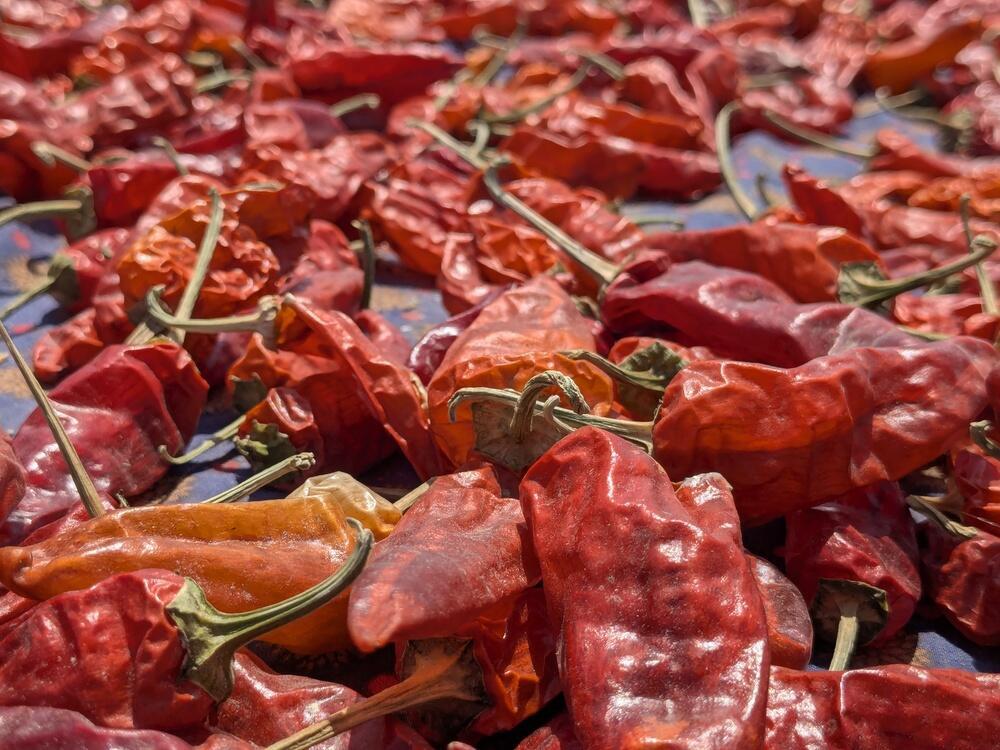
Extreme weather is forcing farmers to change methods that had been used for generations as they struggle to protect crops from both record-breaking heat and heavy rains and flooding. Those pressures come on top of rising fertilizer, irrigation and production costs, making chili cultivation increasingly difficult and risky.
Agriculture accounts for roughly a quarter of Pakistan’s economy and employs about half the country’s workforce, according to the New York Times. Pakistan is also considered one of the countries most vulnerable to climate change. Floods that swept across the country in 2022 destroyed millions of acres of farmland, with red chili crops among those particularly hard hit.
According to 2024 data from the United Nations Food and Agriculture Organization cited in the report, Pakistan ranked eighth among 56 countries in the production of dried peppers and chilies.
In recent years, however, increasingly unstable weather has brought more frequent heat waves and floods, destroying crops and placing particular pressure on small farmers already struggling with higher costs.
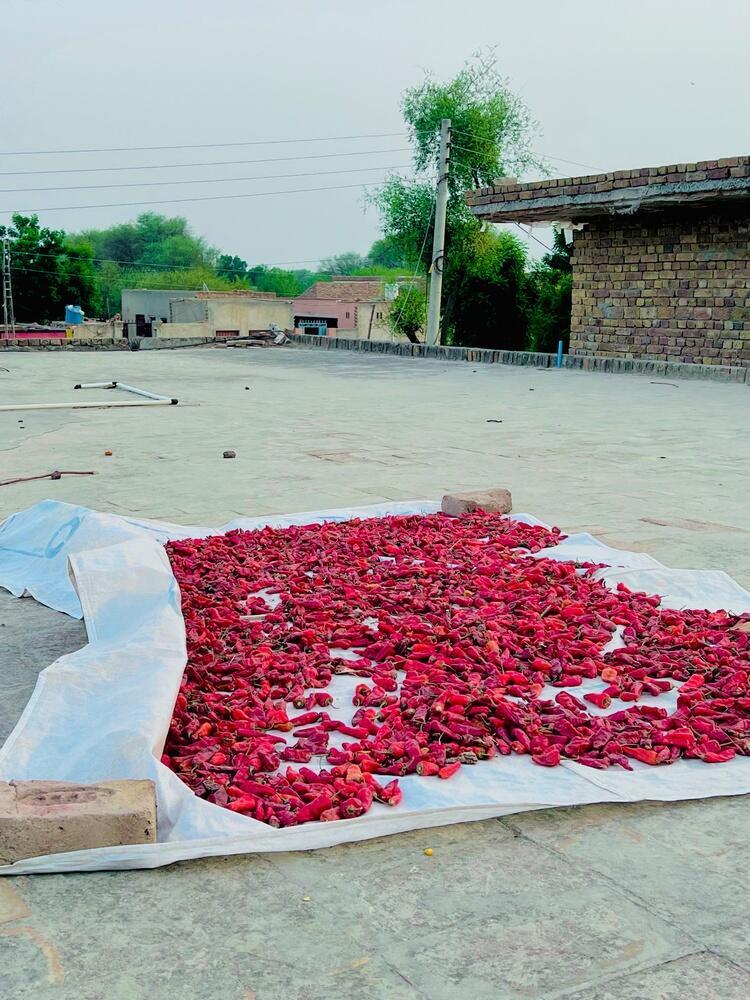
Drying red hot chili peppers in Pakistan
(Photo: Alina Iftakhar, Shutterstock)
Kunri produces more than 85% of Pakistan’s red chilies, according to the report. But this year, March was so hot that planting became impossible. Some farmers postponed sowing until May, shortening the growing season and leaving young plants exposed to intense heat.
Now growers are waiting for rain while simultaneously fearing what it could bring. “If there is too much rain, it will destroy the crop. If there is no rain, that will also be destructive,” one farmer said.
In a race against time and a changing climate, farmers have begun applying larger amounts of fertilizer in a desperate attempt to keep their plants alive until the September harvest.
Even after harvesting, the difficulties continue. The traditional process of drying chilies is becoming more complicated because of changing weather patterns and higher humidity, which can expose the crop to disease.
With production declining, fertilizer prices rising and irrigation problems continuing, many farmers have begun diversifying their crops in search of alternatives that carry less risk.
(Video published by Saudi outlet Al-Hadath)
The importance of chili to Pakistani cuisine was captured years ago in an Al Jazeera report. “In many parts of the world, people are used to adding a little chili to their food by sprinkling it over a meal,” the report said. “In Pakistan, however, the food is chili, and all the other ingredients are merely additions.”