

Israel’s annual “Great Butterfly Count” has faced two major setbacks this year. The citizen science initiative, now in its seventh year and held each spring during peak butterfly activity, began on March 29. This time, however, participants have had to contend with rainy weather and a security situation that restricts movement to areas near home and protected spaces.
The count is led by the Israeli Butterfly Association in cooperation with the Steinhardt Museum of Natural History, Ramat Hanadiv, the Society for the Protection of Nature in Israel and the Israel Nature and Parks Authority.
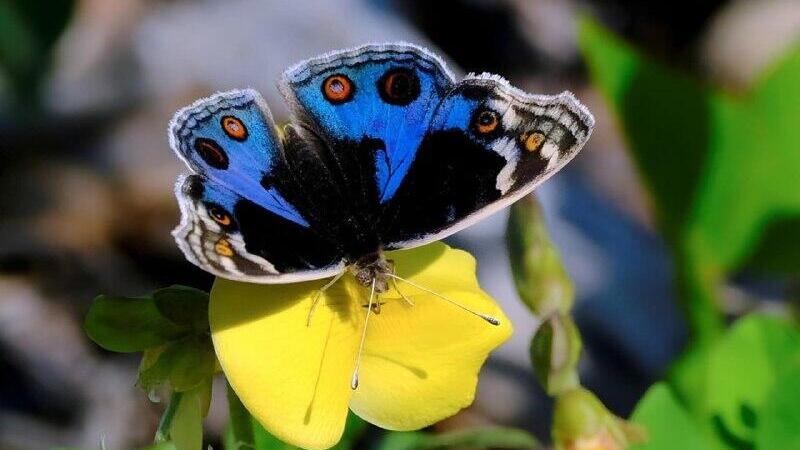
“When there is no sun, butterflies don’t fly,” explained Leah Benyamini of the Israeli Butterfly Association. “So it’s impossible to conduct the count in rainy or cloudy conditions. But as soon as it warms up and the sun comes out, you start seeing butterflies.”
She added that beyond the missile threat, the cold and rainy weather has made it difficult to go out and count. “We hope there will be better days ahead and that many nature enthusiasts will go out to count butterflies. Every year we have a few rainy, cool days, but we’ve never had such a poor start in terms of weather.”
Due to the security situation, participants are being asked to carry out counts near their homes and close to protected areas, in line with Home Front Command guidelines. Organizers expressed hope that conditions will improve, allowing people to safely return to open and more remote areas. The count is scheduled to end on April 18.
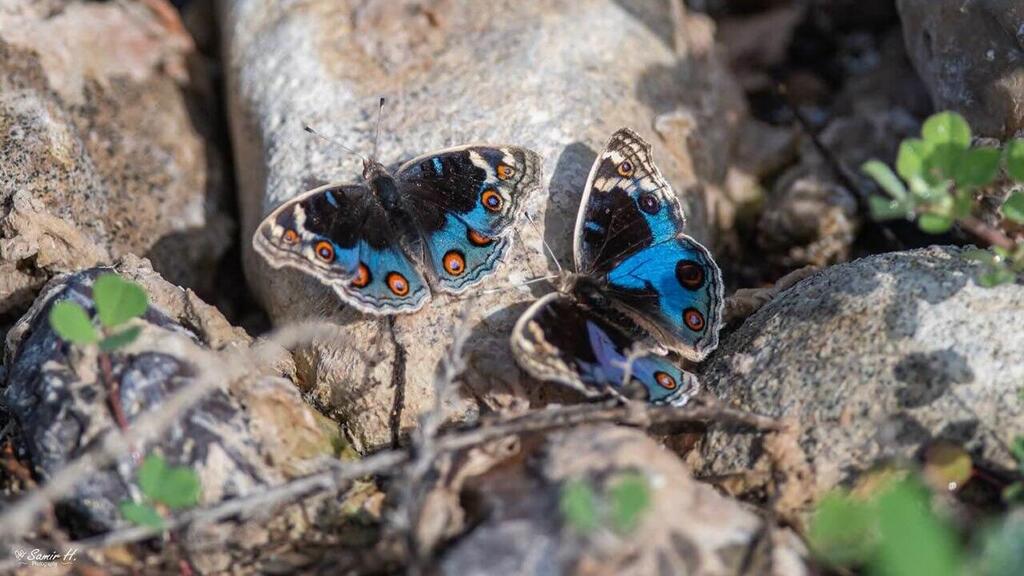
(Photo: Lilach Shani)
Data, trends and discoveries
Since the initiative began in 2019, it has generated extensive data that helps identify long-term trends. This year, researchers hope to deepen understanding of key issues, including the impact of unusual rainfall patterns on butterfly populations, the appearance of tropical species under unique weather conditions, and signs of recovery in areas damaged by fires.
Dr. Or Comay, a data ecologist at the Steinhardt Museum, said butterfly monitoring is an accessible way for the public to contribute to tracking the state of nature across the country.
“Data collected by volunteers in the national butterfly monitoring program has helped assess the risk status of 138 local butterfly species, of which 55 species, about 40 percent, are considered threatened,” he said. “The Great Butterfly Count is an important activity that allows even those who cannot monitor a fixed location year-round to contribute to research and conservation.”
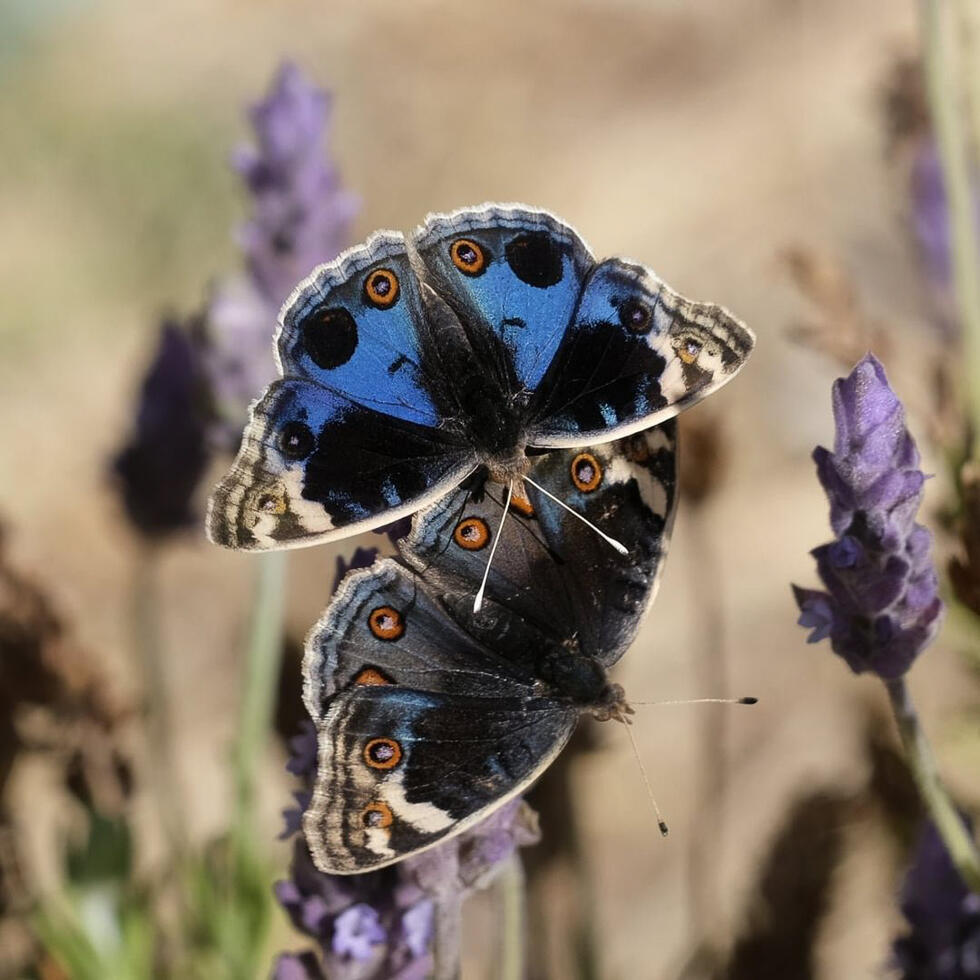
(Photo: Moshe Laudon)
A rare sighting
The counting period often brings exciting discoveries. Recently, a rare blue pansy butterfly was spotted by Lilach Shani, a resident of Ein Gev, who had gone out to observe a flock of pelicans.
She noticed the butterfly along the shores of the Sea of Galilee. As a nature enthusiast, she recognized its significance and immediately sent photos to nature guide Ofek Kirshenbaum, who identified the species and reported it to the Butterfly Association.
The butterfly is a tropical species that had maintained a stable population in Neot Smadar in the Arava region several years ago but disappeared from Israel two years ago.
Benyamini said the finding highlights the importance of citizen science.
“Broad public participation allows us to gather maximum information,” she said. “Usually this includes data on butterfly abundance and timing of species appearances. But the real bonus of citizen science is discoveries like this, which are not always made by experts.”
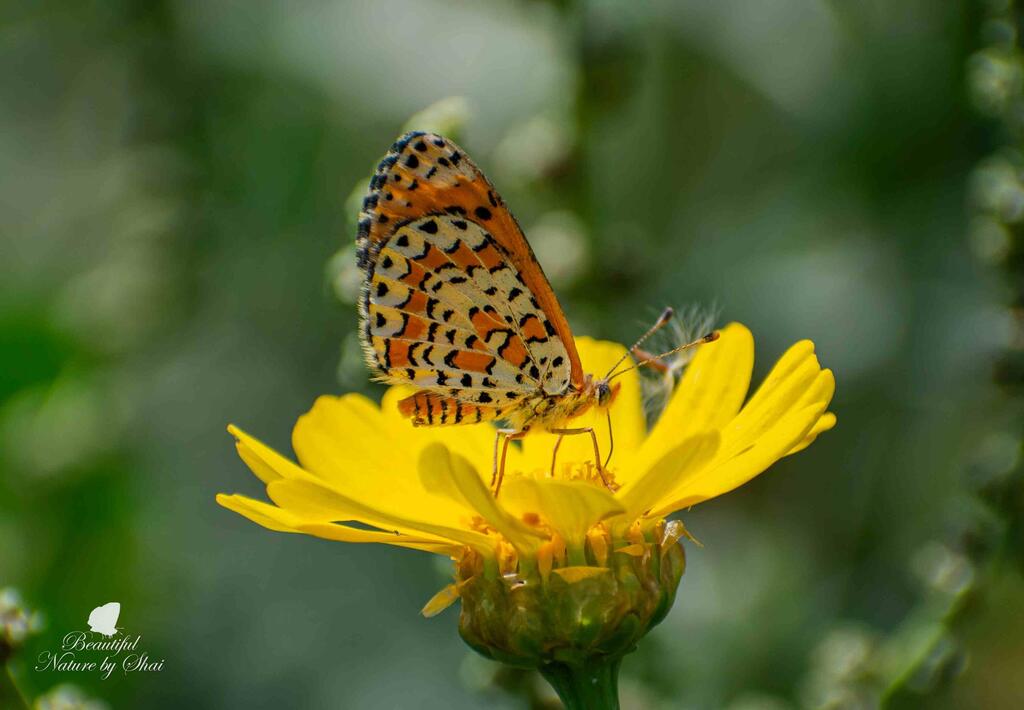
Desert fritillary
(Photo: Shai Baruch Maoz)
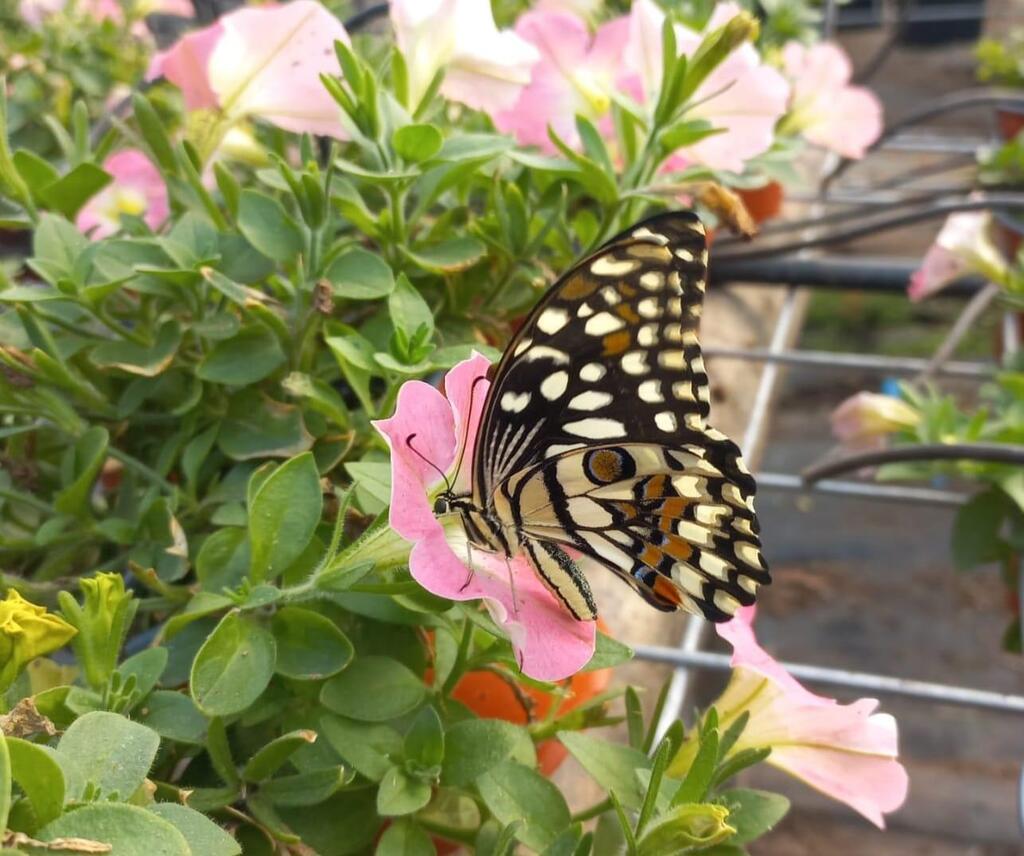
Papilio
(Photo: Miri Hecht)
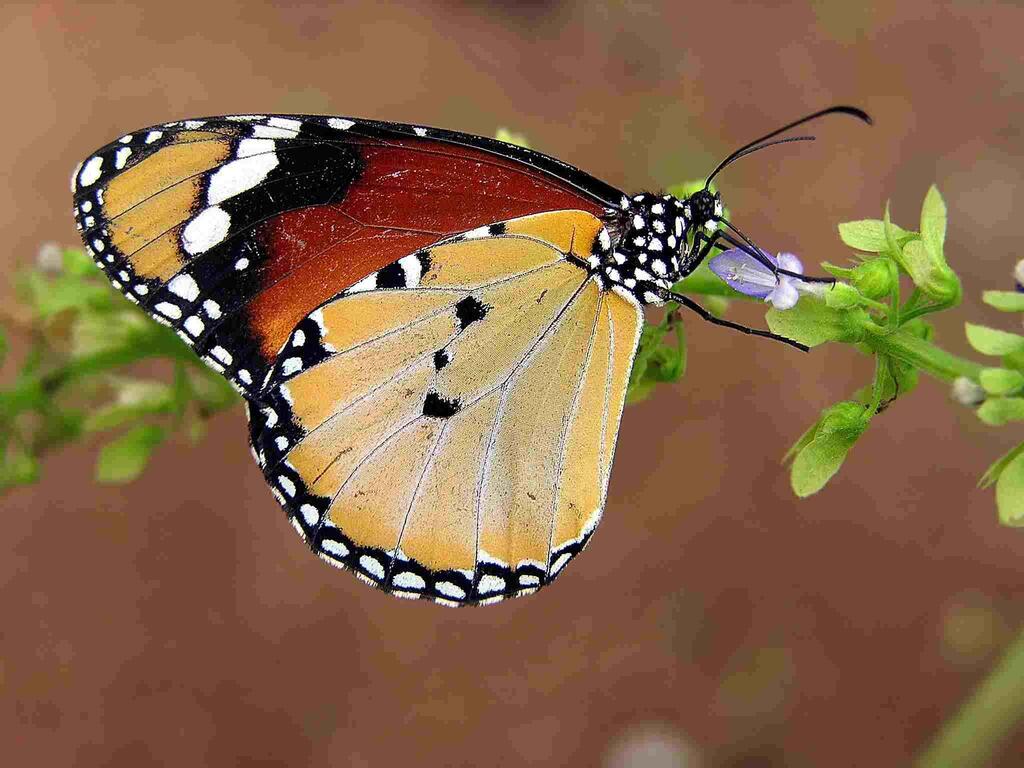
Plain tiger
(Photo: Oz Rittner)
Shani was not the only one to spot the butterfly, but she was the only one who recognized it as unusual and passed the information on to someone with expertise.
“There is also importance to social media today, where information spreads quickly,” Benyamini added. “Once the sighting became known, butterfly monitors began arriving at the site and reporting it to the national database.”