

An elusive feral cat nicknamed “Nine Lives” was captured on the Purerua Peninsula in northern New Zealand after a determined three-year effort. The cat is believed to have killed about three-quarters of the rare pāteke ducks released on the peninsula — 20 birds representing about 1% of the endemic species’ total population.
“Nine Lives” did not prey only on the ducks. It also attacked other wildlife, including kiwi chicks. The small, flightless bird is one of New Zealand’s best-known national symbols. The cat also preyed on stoats, small carnivorous mammals in the weasel family.
Gallery
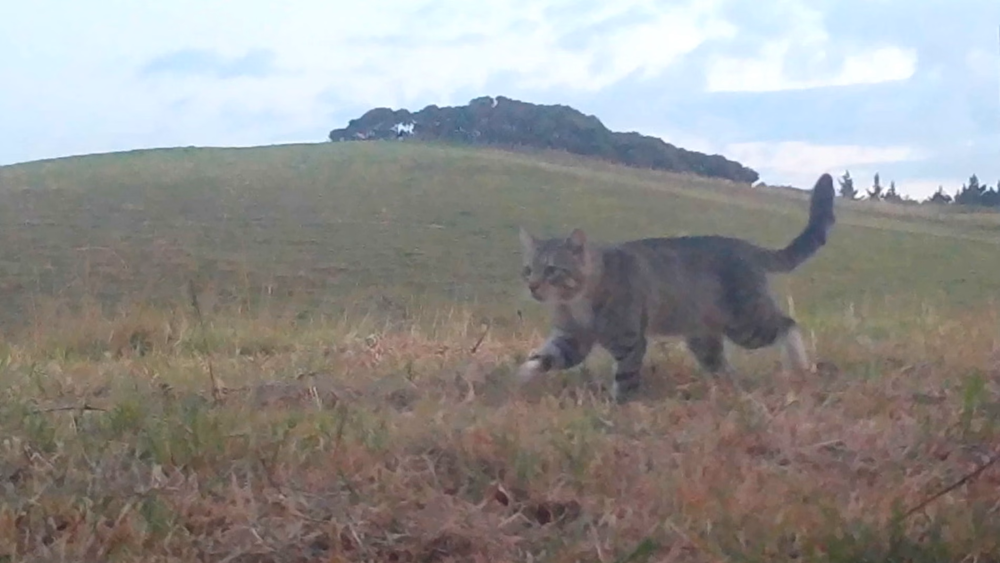
‘Nine Lives,’ the feral cat that preyed on New Zealand’s rare duck population for years, in February 2024
(Photo: Pest Free Purerua-Mataroa)
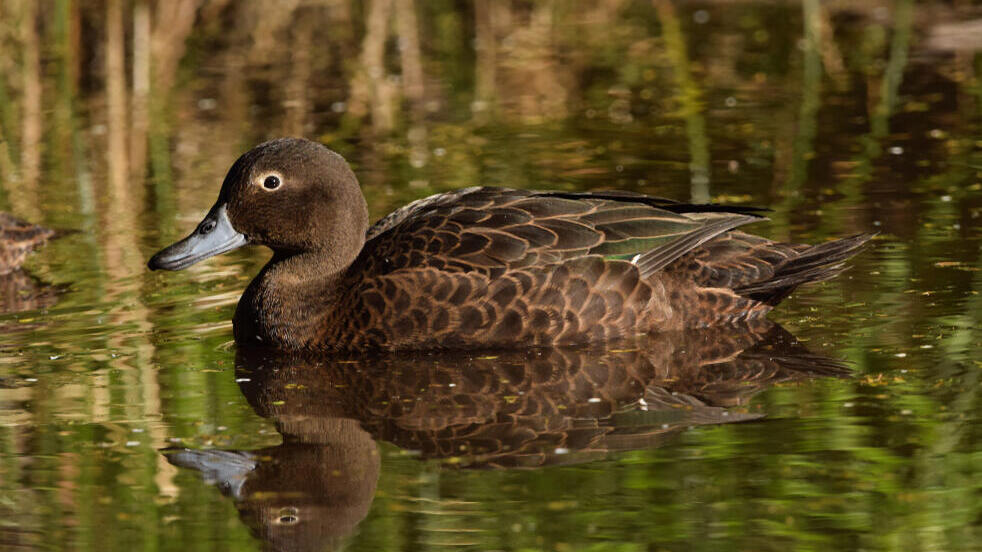
A pāteke duck in New Zealand
(Photo: KailaRae/Shutterstock)
The cat became so notorious that a CNN crew traveled to New Zealand earlier this year to film a documentary about the effort to find it. It first drew attention in 2023 after 20 pāteke ducks were released into the wild. The first dead duck was found within a week and 15 more were later killed.
A year later, another 20 ducks were released and the cat again killed 15 of them.
“From that point on, it became obvious he was decimating our wildlife, particularly our pāteke-brown teal,” Andrew Mentor, coordinator of Pest Free Purerua-Mataroa, a local conservation project on the Purerua Peninsula, told New Zealand public broadcaster RNZ.
“So we started an intensive camera network to try and figure out his patterns. And he was so erratic and so highly averse to human contact, that he was very difficult to predict or track.”
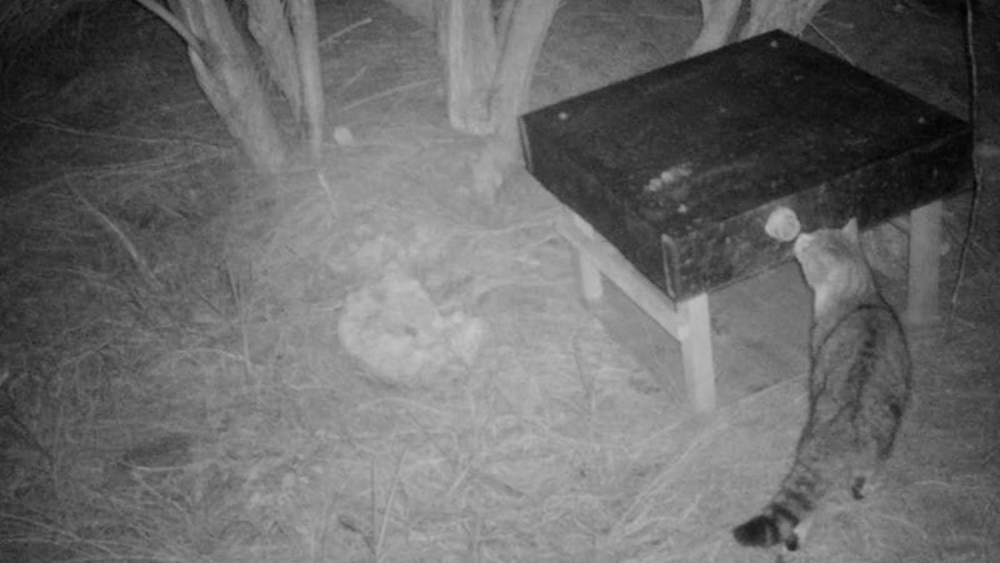
‘Nine Lives,’ as captured by one of the trail cameras placed across the Purerua Peninsula in northern New Zealand
(Photo: Pest Free Purerua-Mataroa)
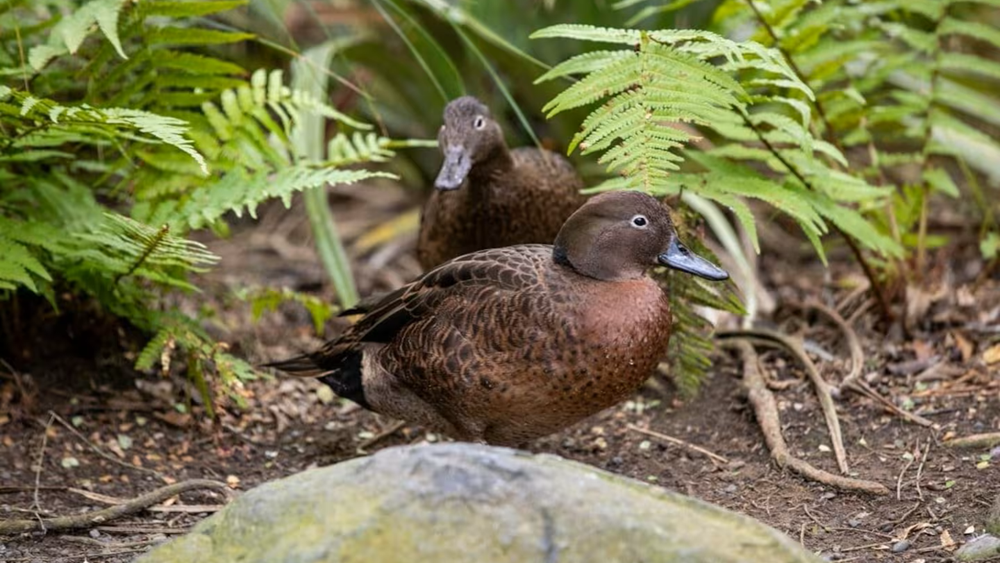
A pair of pāteke ducks in New Zealand
(Photo: RNZ/Nate McKinnon)
Over the next three years, members of the project, which aims to protect and restore native plants and wildlife, refused to give up and continued pursuing the cat.
Finally, on Thursday, July 30, “Nine Lives” was spotted in the same location three times in a row, something it had not done before. The team laid out bait including salmon, fried chicken and rabbit meat and placed traps throughout the area. The elusive cat was caught in one of them.
“It was a needle in a haystack to go out and spend hours and hours waiting in the hope that he would turn up,” Mentor said. “It depended on weather conditions, the moon, light, all those different factors, to have him in the right place at the right time, which is very, very difficult. But eventually we located him at a feeding spot where we were able to take him out by shooting him.”
Mentor said most feral cats in New Zealand are descended from the North African wildcat, making wildlife hunting part of their natural behavior.
“We love our companion cats and we don't want to harm them,” he said. “But when it comes to feral cats and the species we hold so dear, we just need to keep working on removing them because there are so many in the environment.”
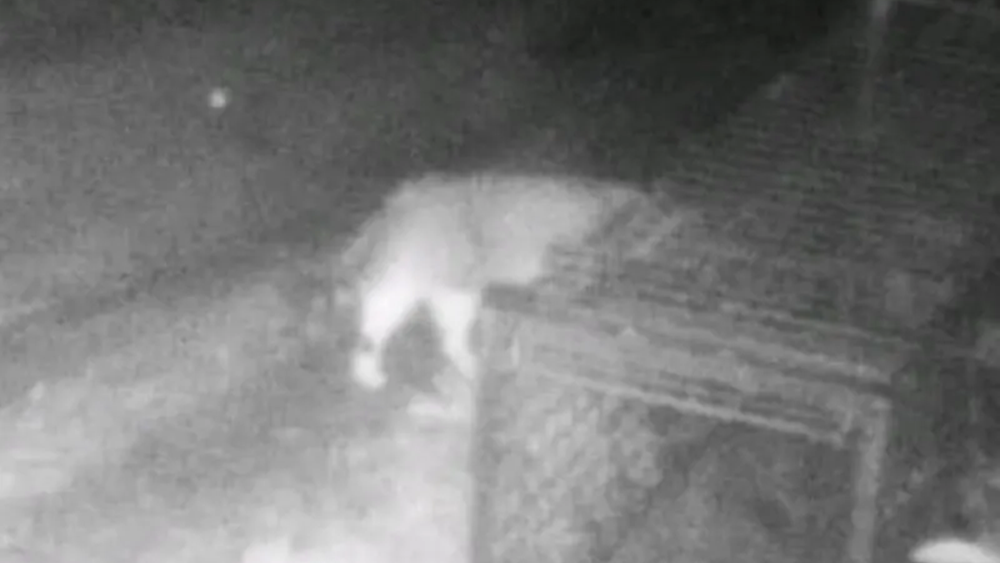
‘Nine Lives’ near one of the traps set for it
(Photo: Pest-free Purerua-Mataroa)
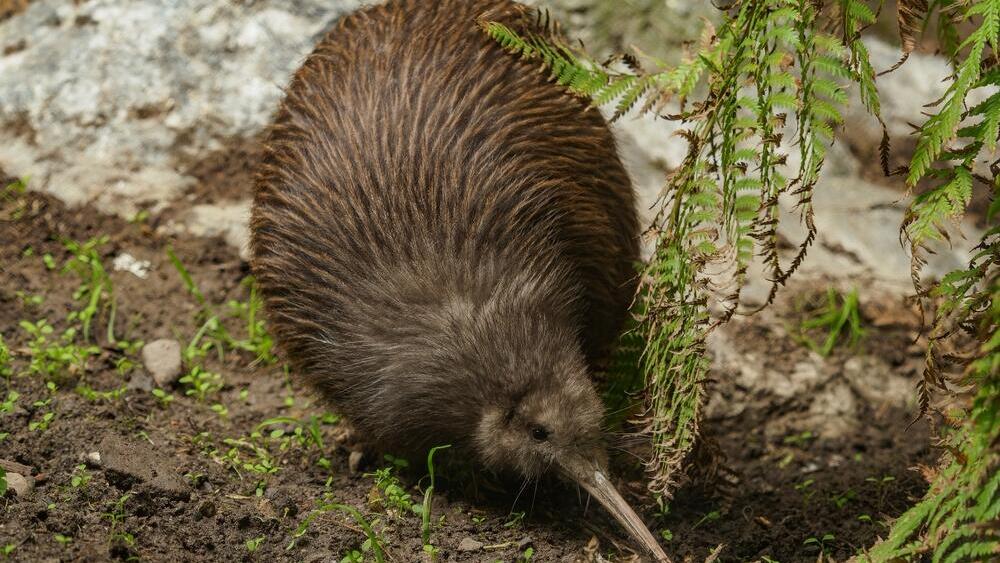
A kiwi, an endemic New Zealand bird and national symbol
(Photo: Honza123/Shutterstock)

The Purerua Peninsula
(Photo: Pest-free Purerua-Mataroa)
Further releases of pāteke ducks on the peninsula were halted once the threat posed by “Nine Lives” became clear.
“When we introduced an enticing species like this into the environment, which is very easy for a cat to predate on, in hindsight it showed we weren't ready. And it highlighted the extra work that we needed to do to make that area safe for pāteke to come back, and for kiwi to survive from chicks through to adulthood,” Mentor said.
Mentor said he would take the Pest Free Purerua-Mataroa team out for a meal to thank them for spending days and nights searching.
The body of “Nine Lives” will be examined, then preserved by a taxidermist and used to educate the public about the damage feral cats cause to native species.
More than 2.5 million feral cats live in New Zealand. The government has announced that they will be added to the national program aimed at eliminating invasive species by 2050.
Despite the damage attributed to the cat, its killing also sparked public controversy. Some residents protested the decision to kill it, while others welcomed an end to its attacks on local wildlife.