

A plant species not seen in Israel for nearly 20 years has been rediscovered in the Judean Hills, the Israel Nature and Parks Authority said, in what experts describe as a significant botanical finding.
The Persian Puma, a small and extremely rare flower considered critically endangered, was spotted near the archaeological site of Horvat Almit by ranger Shaked Bachbut during a routine patrol in the Nahal Prat Nature Reserve.
Gallery
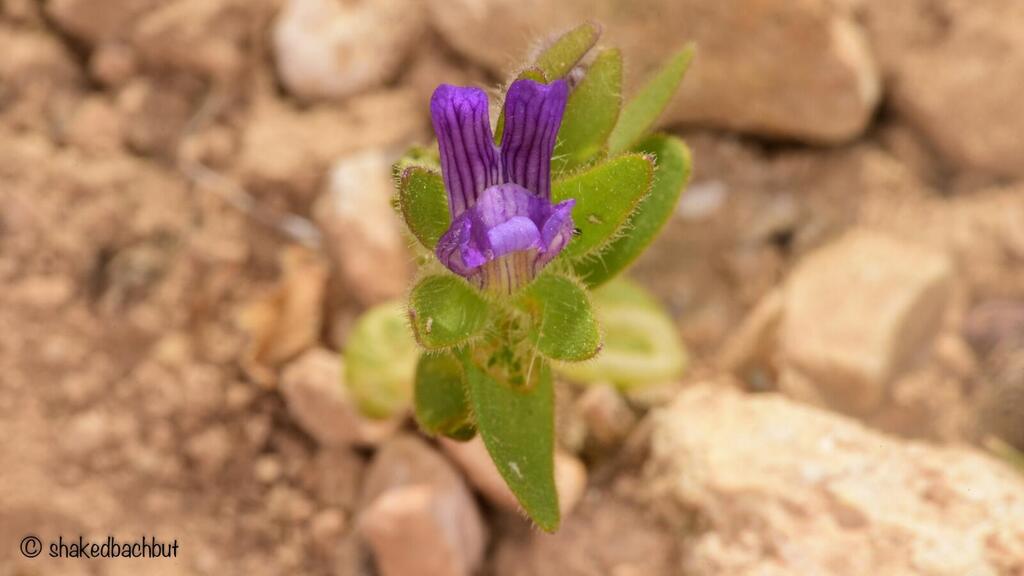
The Persian Puma, a small and extremely rare flower considered critically endangered
(Photo: Shaked Bachbut)
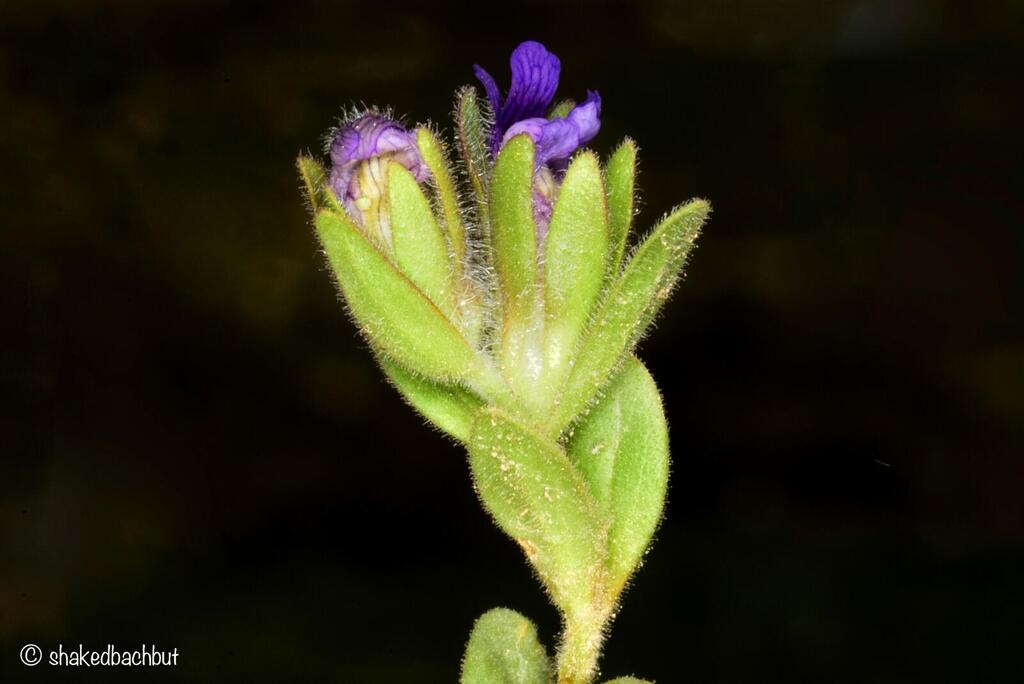
The Persian Puma not been seen in Israel for nearly 20 years
(Photo: Shaked Bachbut)
Bachbut said he noticed a small purple dot while inspecting a trail with a colleague and decided to take a closer look.
“I went back and looked at the small flower, which is about 4 centimeters tall. I didn’t recognize it,” he said. “There was another specimen nearby. I photographed them and continued on. Later, at home, I began identifying it — and realized it was Persian Puma.”
He added that, after sharing the discovery with colleagues, it became clear that the two plants he found are currently the only known specimens of the species in Israel.
“It hasn’t been seen here for 19 years,” Bachbut said. “It’s always exciting to find a rare species, whether it’s a plant or a dragonfly. Alongside the excitement, I keep going, looking for the next discovery.”
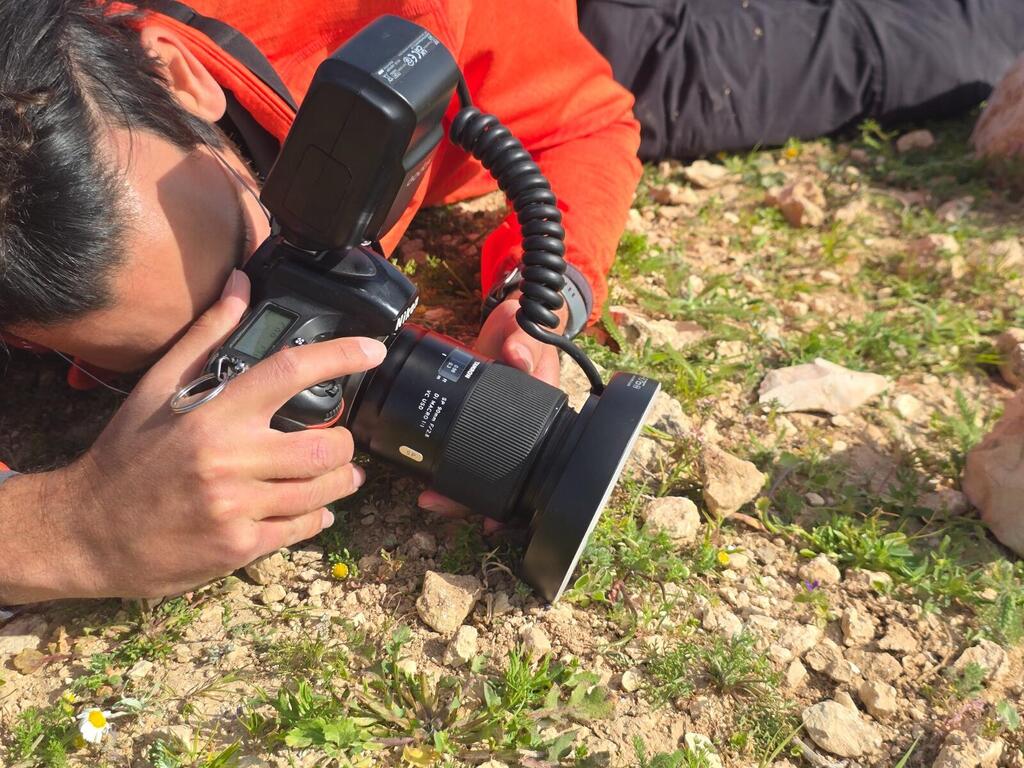
Ranger Shaked Bachbut photographs nature
(Photo: Courtey)
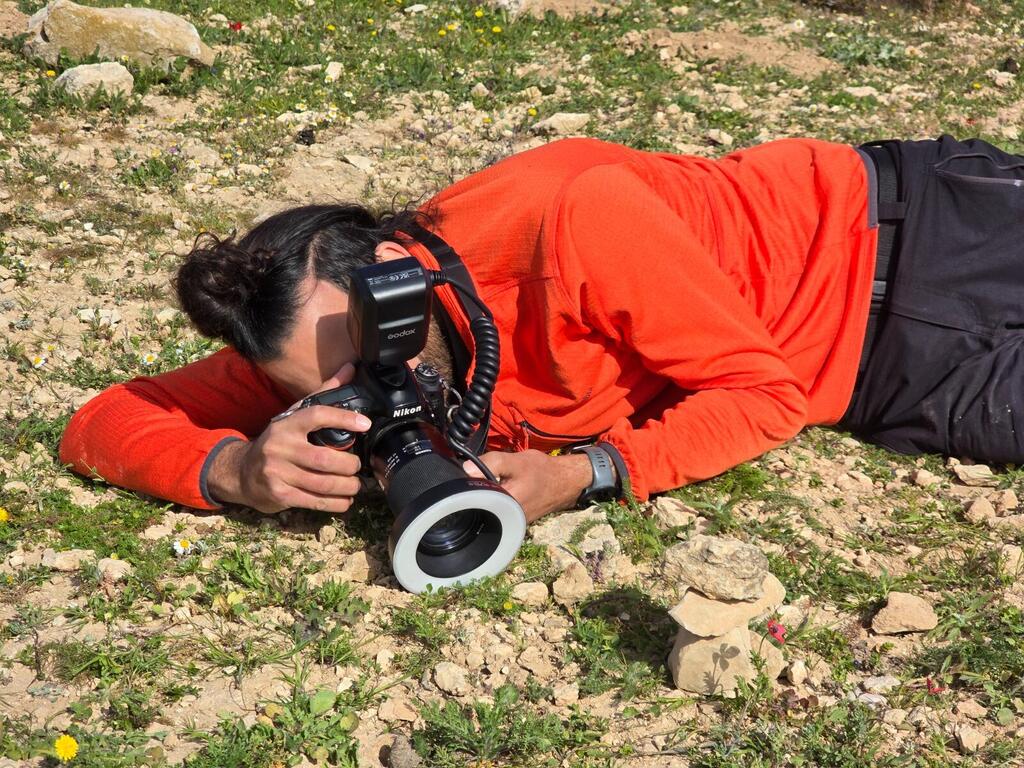
Ranger Shaked Bachbut
(Photo: Courtesy)
A follow-up survey conducted the next day by a team of experts, including botanist Uri Fragman-Sapir, did not locate additional plants.
Fragman-Sapir, scientific director of the Jerusalem Botanical Gardens and an adviser to the Nature and Parks Authority, said the plant is particularly difficult to detect due to its small size and discreet appearance.
“It is a very inconspicuous plant,” he said, noting that it is covered in glands that secrete a substance that deters animals from eating it. “At the tip of the stem are solitary purple flowers that resemble a small snapdragon.”
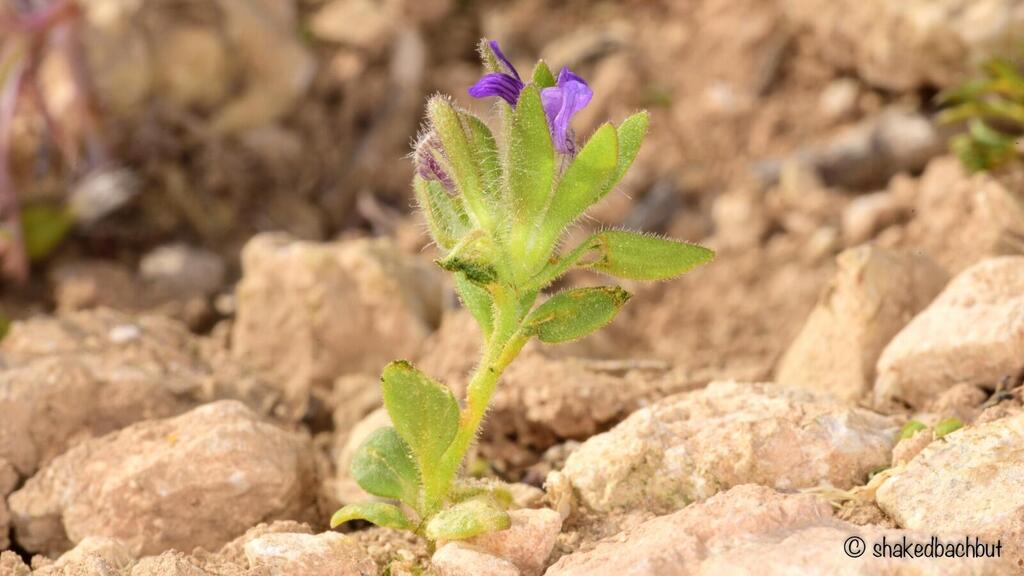
The endangered Persian Puma plant was spotted near the archaeological site of Horvat Almit by ranger Shaked Bachbut during a routine patrol
(Photo: Shaked Bachbut)
He added that the flower remains closed and can only be opened by strong bees capable of accessing its nectar.
The rediscovery highlights both the fragility of Israel’s native flora and the importance of ongoing ecological surveys, the authority said.
First published: 19:51, 04.05.26