

A fragment of a clay tablet discovered at Hattusa, the ancient capital of the Hittite Empire in central Turkey, has been identified as part of a copy of the Kadesh peace treaty, one of the most important diplomatic documents to survive from the ancient world.
Turkey’s Culture and Tourism Minister Mehmet Nuri Ersoy announced the identification after what he said was roughly a year of scientific examination. The treaty is believed to have been concluded around 1269 BCE between Egyptian pharaoh Ramesses II and Hittite king Hattusili III, bringing an end to prolonged hostilities between the two powers.
Gallery
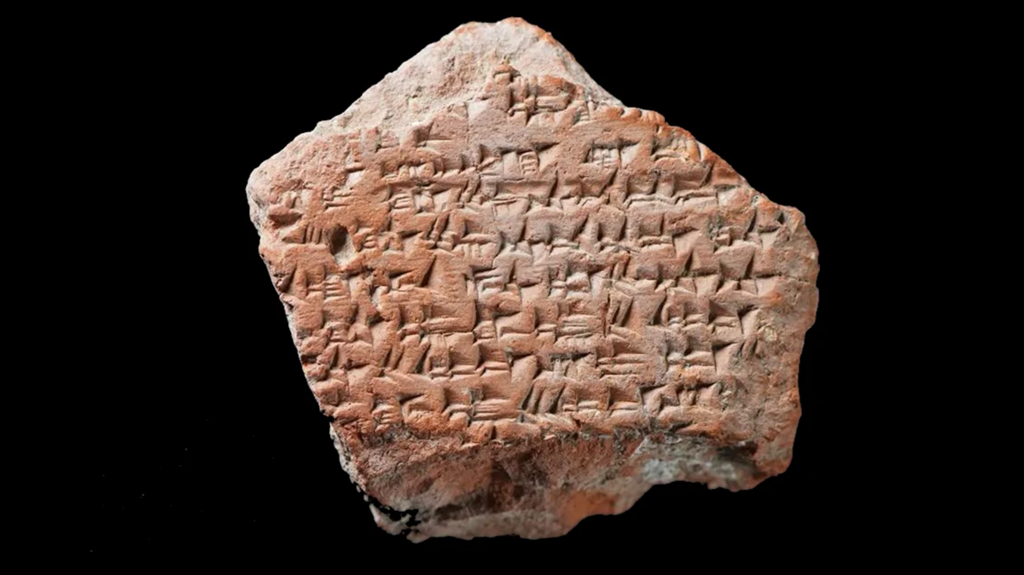
Fragment of the Kadesh Treaty, signed by Egyptian pharaoh Ramesses II and Hittite king Hattusili III around 1269 BCE
(Photo: Turkish Ministry of Culture and Tourism)
Although commonly known as the Treaty of Kadesh because it followed the famous battle between Egypt and the Hittites, the surviving text does not actually mention the battle itself. It is also known as the Egyptian-Hittite Peace Treaty or the Silver Treaty, because the original versions were written on silver tablets.
The agreement is widely regarded as the oldest surviving written peace treaty known today. Its provisions went well beyond simply ending hostilities, laying out commitments to lasting peace, mutual assistance and the return of people who fled from one kingdom to the other.
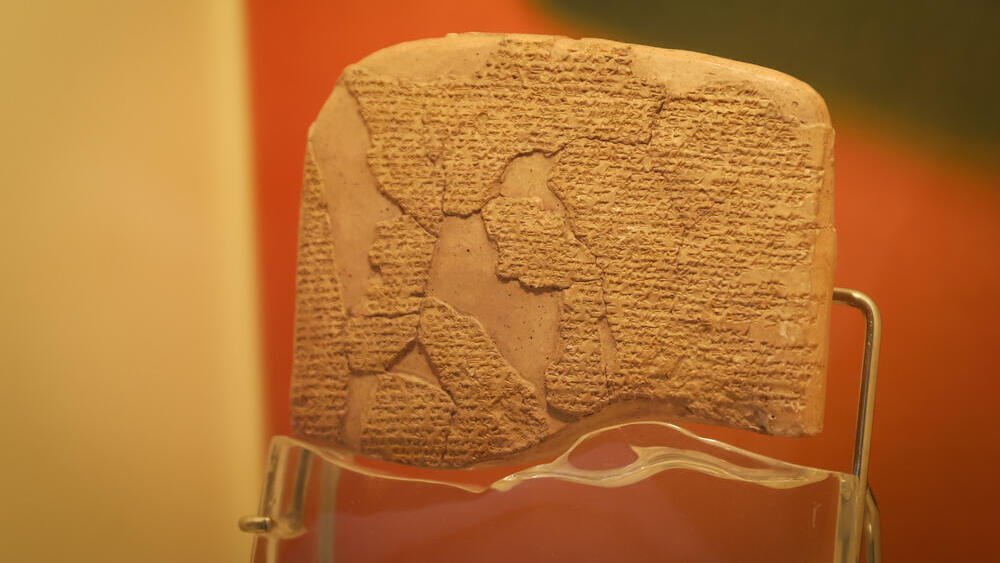
Copy of the Kadesh Treaty at the Istanbul Archaeological Museums
(Photo: EvrenKalinbacak/Shutterstock)
According to a translation published by Turkey’s Culture and Tourism Ministry, the treaty declares of the two rulers: “He is my brother and is at peace with me; and I am his brother and am at peace with him forever.” Another passage states that Egypt and the Hittite kingdom “shall forever be in a state of peace and brotherhood.”
Refugees, extradition and protection
The newly identified fragment contains lines from sections 12 through 20 of the treaty, dealing with people who fled either Egypt or the Hittite kingdom and sought refuge in the other state.
The surviving text is incomplete, but readable passages refer not only to fugitives from both kingdoms but also to the protection of their homes from destruction.
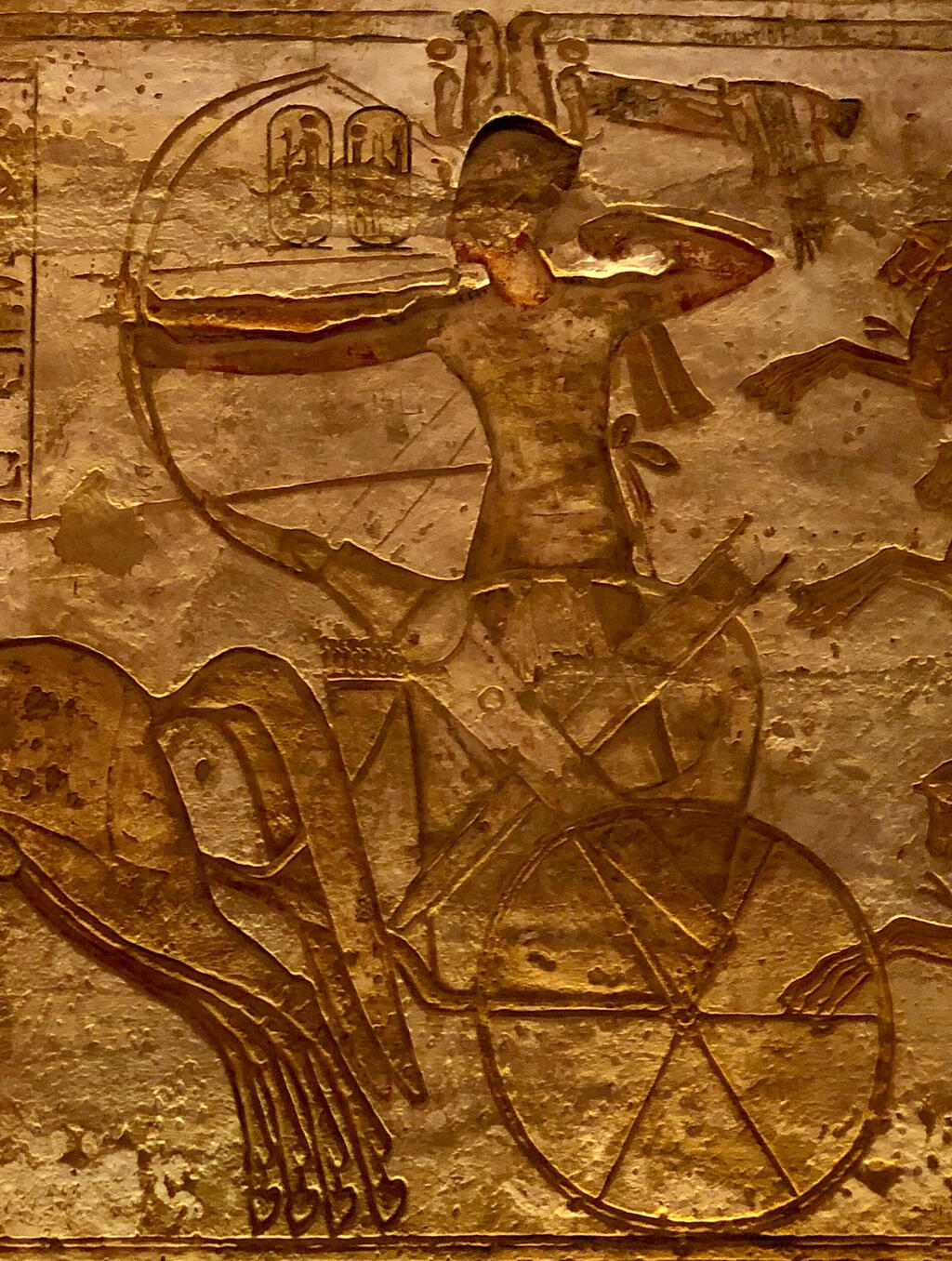
Ramesses II charges the Hittites in his chariot. Relief from Abu Simbel depicting the Battle of Kadesh
(Photo: Warren LeMay/Wikimedia Commons)
The treaty required fugitives to be returned, since flight itself was regarded as an offense, but it also imposed explicit limits on their punishment. One passage says their tongues and eyes were not to be removed, their ears and feet were not to be cut off, and their homes, wives and children were not to be destroyed.
“We have found in the soil of Anatolia traces of peace dating back thousands of years,” Ersoy wrote on social media. He said scientific examinations confirmed that the ancient fragment uncovered in the excavations belonged to the Kadesh peace treaty.
Ersoy announced the finding on Sept. 21, the International Day of Peace, saying the timing underscored Anatolia’s long role in the history of diplomacy. He described the treaty’s references to protecting homes from destruction as a message that still resonates thousands of years later.
Two civilizations, two versions
The Egyptian version of the treaty was carved in hieroglyphics on the walls of a temple built for Ramesses II at Thebes, modern-day Luxor.
Fragments of clay tablets containing the Akkadian version were discovered at Hattusa during the first major excavations there between 1906 and 1912. Akkadian, one of the earliest documented Semitic languages, served as a major diplomatic language of the ancient Near East.
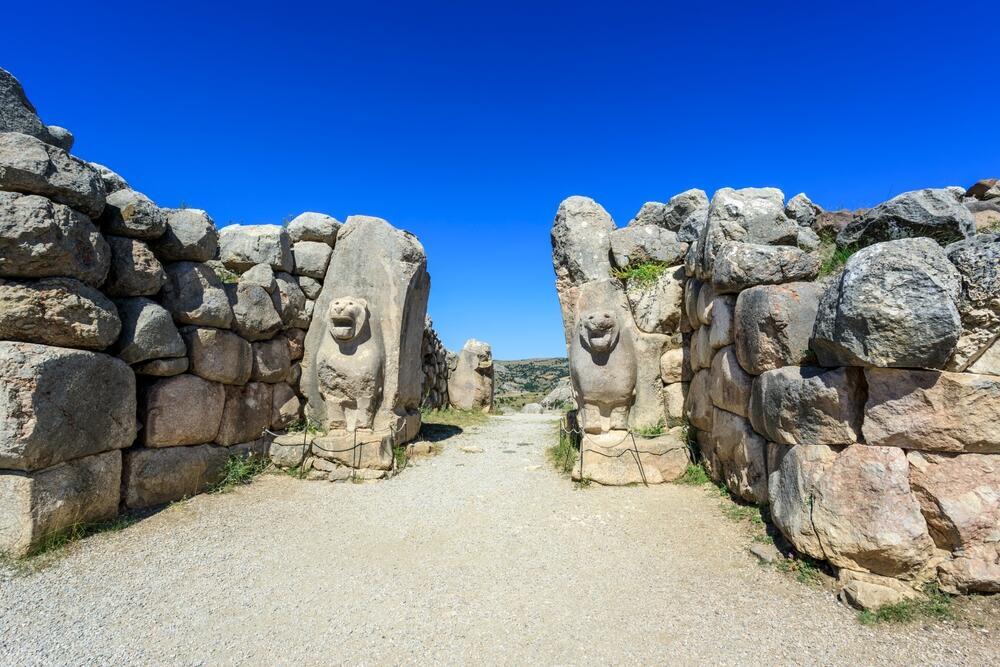
The Lion Gate of Hattusa
(Photo: Kasbah/Shutterstock)
Hattusa, near the modern town of Boğazkale in Turkey’s Çorum province, served as the capital of the Hittite Empire, which became one of the dominant powers of Anatolia and the wider region during the second millennium BCE. The archaeological site was designated a UNESCO World Heritage Site in 1986.
Previously discovered fragments of the treaty are held in collections including the Istanbul Archaeological Museums, the Museum of Anatolian Civilizations in Ankara, the Vorderasiatisches Museum in Berlin and the State Hermitage Museum in St. Petersburg.
The newly identified piece is expected to help researchers reconstruct more of the clay-tablet copies unearthed at Hattusa and better understand how the treaty was recorded and preserved.
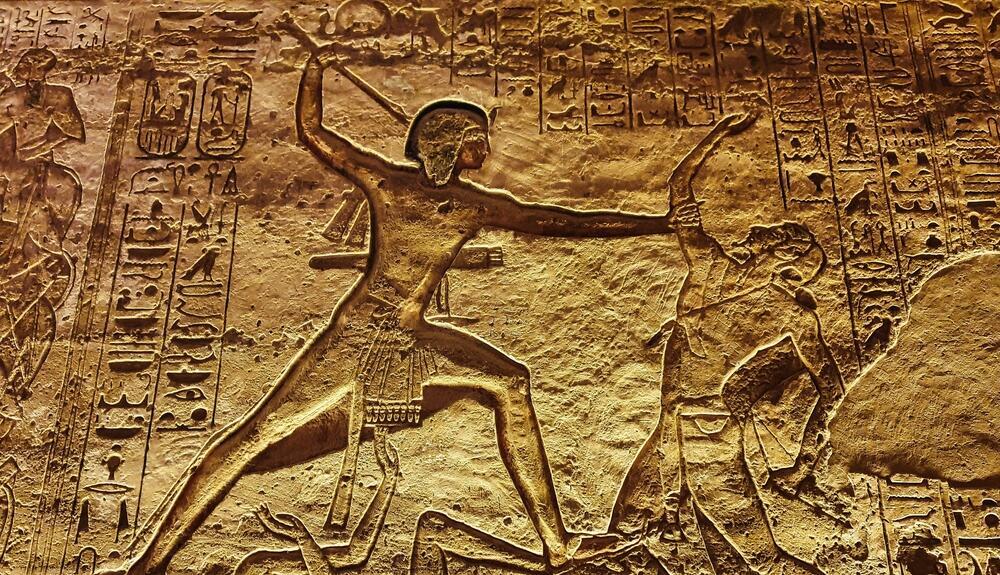
Scene from the Battle of Kadesh depicting Ramesses II killing his enemies
(Photo: CK-TravelPhotos/Shutterstock)
A copper replica of the treaty is displayed at United Nations headquarters in New York. The UN has highlighted the agreement’s provisions on enduring friendship, territorial integrity, non-aggression, extradition and mutual assistance, describing them as strikingly similar to principles embodied by the modern organization.
Excavations at Hattusa are continuing, and researchers hope further discoveries will help fill in additional missing portions of the treaty and reveal more about one of antiquity’s most enduring diplomatic agreements.