

World Environment Day was marked recently around the globe, decades after the UN launched it in the 1970s as a central platform for environmental awareness. But the public conversation around the day still tends to focus on familiar themes: reducing single-use plastic, cleaning beaches or shifting to renewable energy.
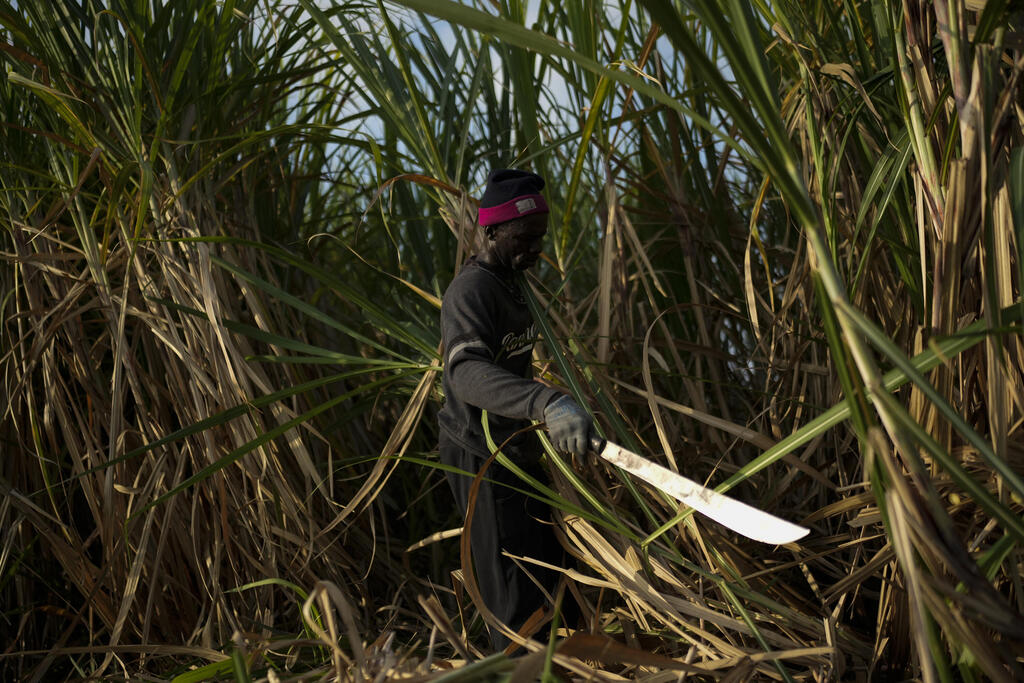
While attention is fixed on smokestacks and vehicles, the fields tell another story. The world’s leading agricultural crop by mass is not a vegetable, fruit or nutritious grain, but sugar cane, which alone accounts for about one-fifth of global agricultural production.
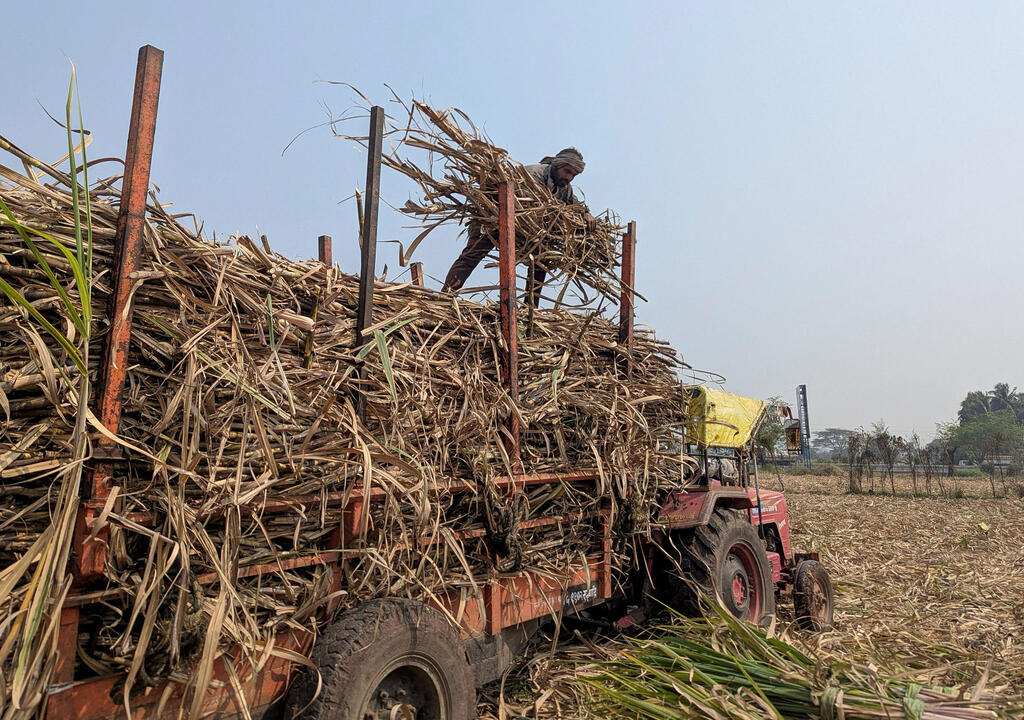
Loading sugar cane in India
(Photo: Rajendra Jadhav/Reuters)
To feed the global sugar industry, the world food system has converted vast natural areas and entire ecosystems into land for the mass production of empty calories. The result, researchers say, has damaged food security for millions of people while helping fuel the global epidemics of obesity, heart disease and diabetes.
The environmental price is also severe: widespread rainforest clearing, destruction of natural habitats and pollution of aquifers and freshwater sources.
How can the situation change?
Alongside the damage to public health, sugar crops carry a high environmental cost. They are grown as monocultures, vast areas dedicated to a single plant species year after year. To make room for these enormous fields, forests are cleared, natural habitats are destroyed and biodiversity is severely harmed.
This intensive, single-crop system also depletes the soil, forcing farmers to use large quantities of chemical fertilizers and pesticides. These materials are later washed into water sources around the world.
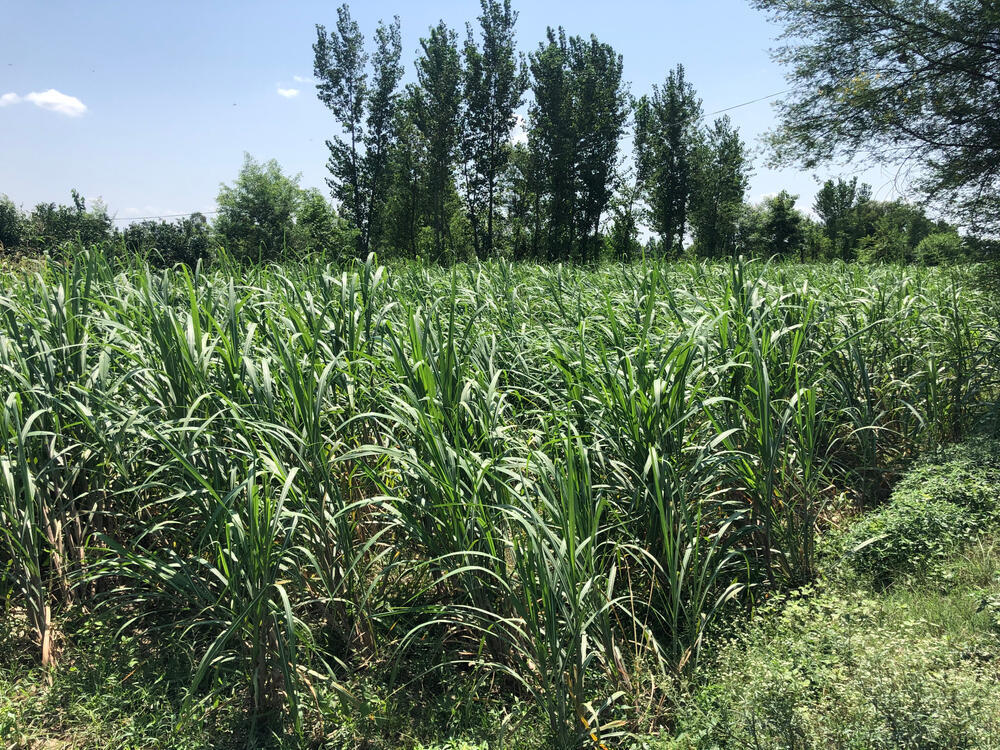
Sugar cane field
(Photo: malik965/Shutterstock)
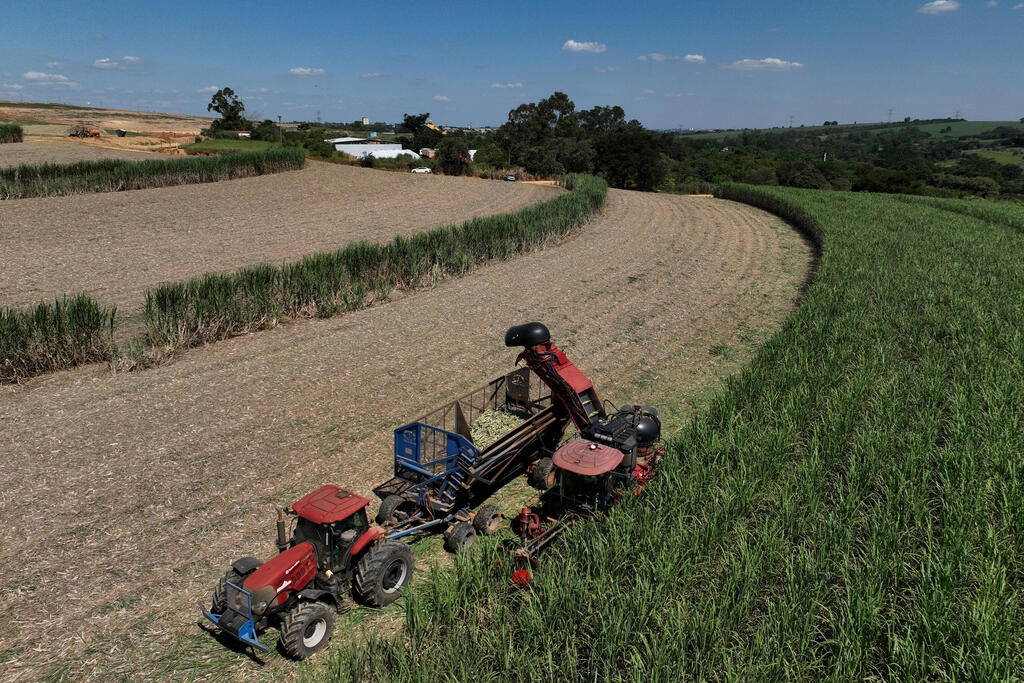
Sugar cane harvest in Brazil
(Photo: Andre Penner/AP)
A new study now offers a model for changing the system. The study, published in 2024 in the journal PNAS and recently awarded the prestigious Frontiers Planet Prize, was led by Prof. Alon Shepon, head of the international program and the non-thesis master’s program at Tel Aviv University’s New Environmental School.
According to the researchers, reducing global sugar consumption to just 5% of total calories, in line with health organizations’ recommendations, would free about 100 million dunams (24.7 million acres) of farmland.
“The idea is that reducing sugar consumption to recommended levels would deliver major health benefits while also freeing up about 100 million dunams of land, mostly in tropical regions,” Shepon explained. “That land could then be restored to nature or put to more efficient use for humanity, such as growing more nutritious crops. It is a rare opportunity for a triple gain: nutritional, environmental and social.”
Fruits, vegetables or biodegradable plastic
The study offers a road map for using the land that would become available to feed a growing population while protecting the planet.
One option is to convert some of that land to grow fruits, vegetables and legumes, especially in areas facing food insecurity. Another is to restore land to its natural state, allowing it to absorb carbon dioxide from the atmosphere, help slow climate change and rehabilitate damaged ecosystems.
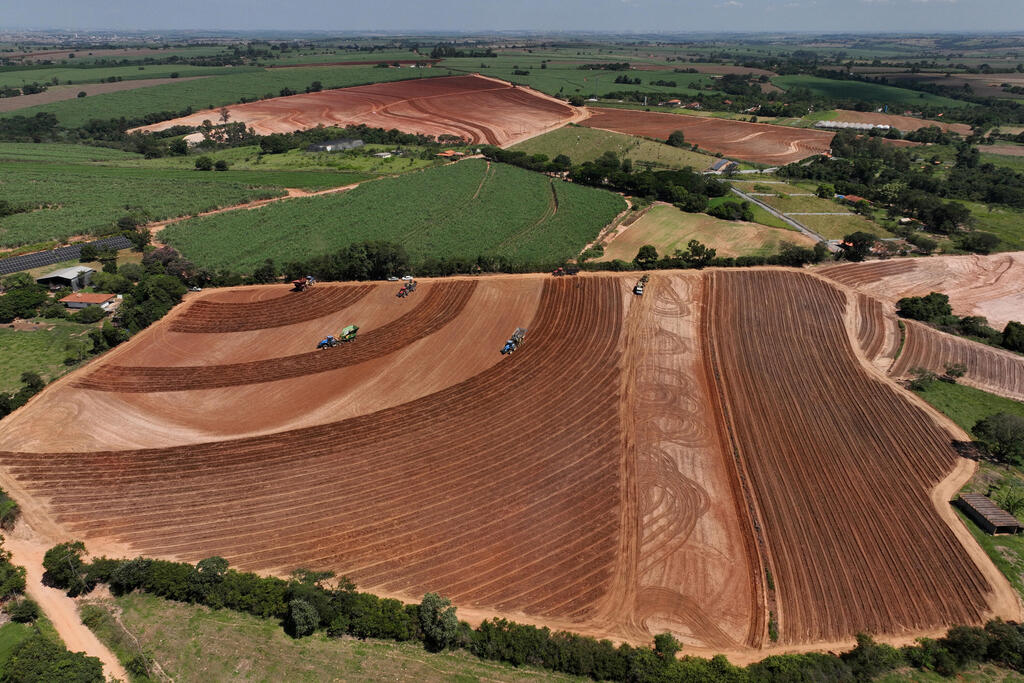
Preparing farmland for sugar cane planting in Brazil
(Photo: Andre Penner/AP)
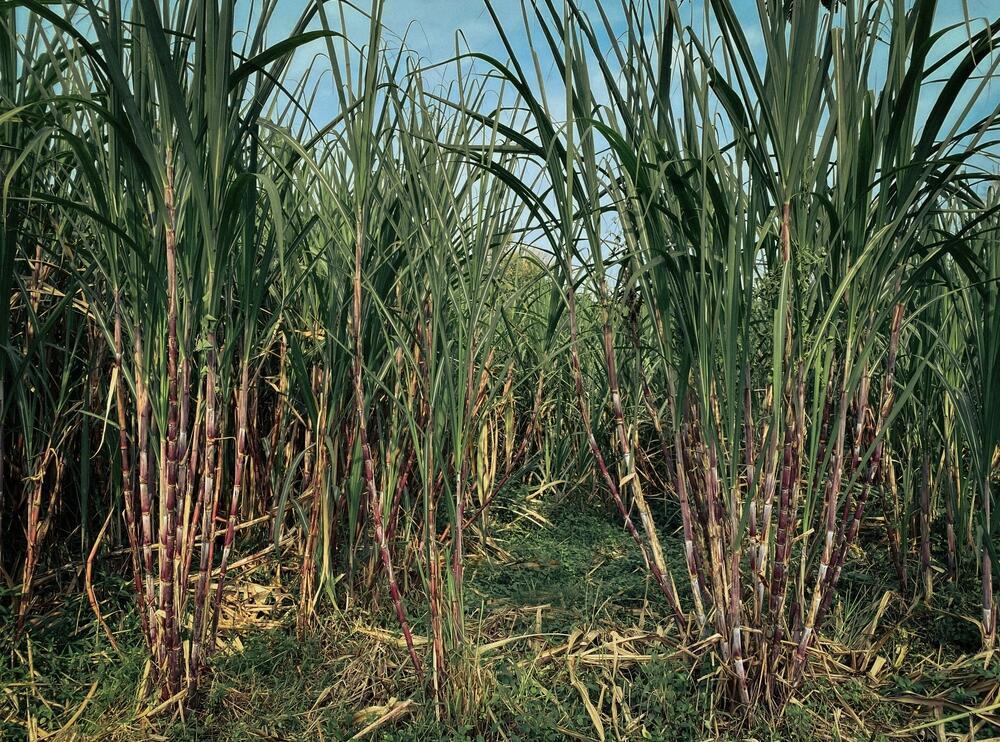
Sugar cane field
(Photo: DwiApriyanto91/Shutterstock)
At the same time, the researchers suggest using existing sugar production more sustainably, but not as food. Rather than cutting off farmers’ livelihoods, sugar could be redirected as a raw material for greener industries, including as a growth medium for microbial protein used in meat alternatives or for the production of biodegradable bioplastic.
The change required by academia
Solving complex problems of this kind, where public health, agricultural economics, biotechnology and ecosystems all intersect, requires a deep shift in how research institutions operate, the researchers say. The food and climate crises cannot be solved through isolated research in economics or ecology alone.
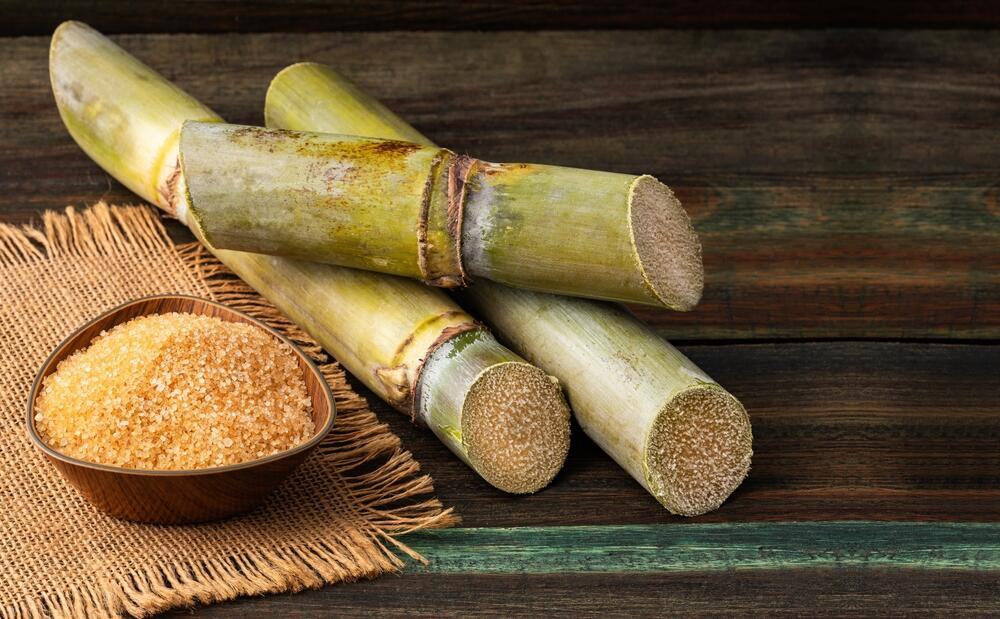
Sugar cane with sugar, the final product
(Photo: Luis Echeverri Urrea/Shutterstock)
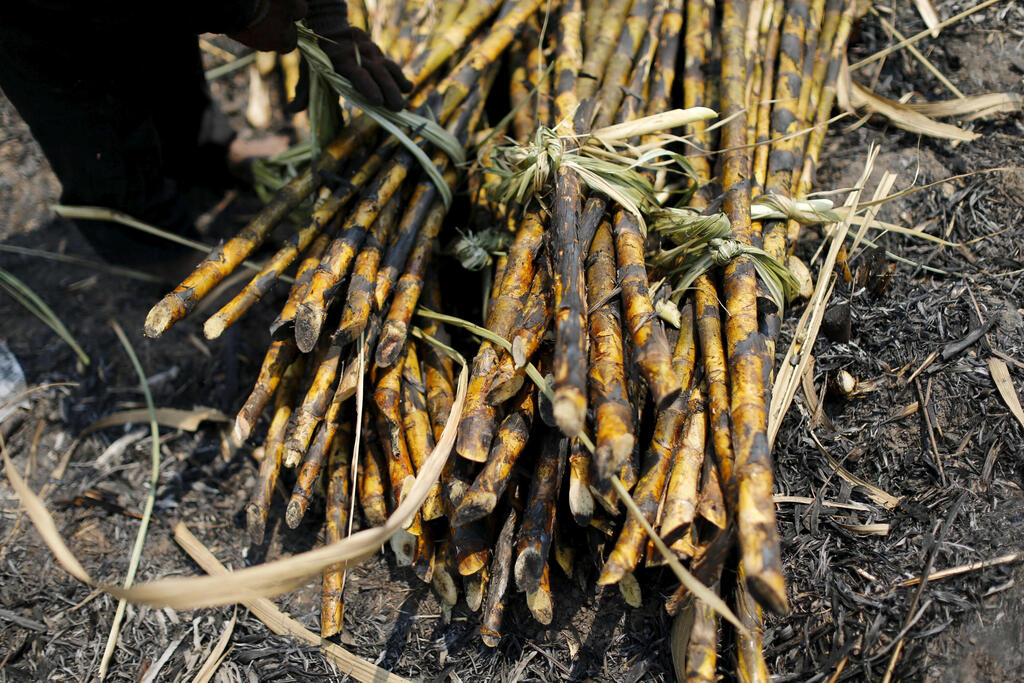
Harvested sugar cane in Thailand
(Photo: Jorge Silva/Reuters)
The success of such studies shows that the challenges of the 21st century require multidisciplinary research and teaching environments. Academic institutions are becoming incubators that connect experts, researchers and students from different disciplines around a shared problem.
The goal is no longer only to produce detached theoretical knowledge but to train the next generation of leaders and researchers with integrated tools that can generate practical solutions and influence industry and policy.
Ultimately, restoring balance to the food system is not a theoretical idea, but a condition for our continued existence here. World Environment Day is an opportunity to reexamine not only familiar daily habits, but the way the global food system shapes and exploits the planet’s resources.