

It may still be the height of summer in Israel, but the first signs of autumn migration have already reached KKL-JNF’s Hula Lake. Over the weekend, the first eight flamingos of the season landed at the site, offering an early glimpse of the migration period. Much larger flocks are expected to arrive in the coming weeks.
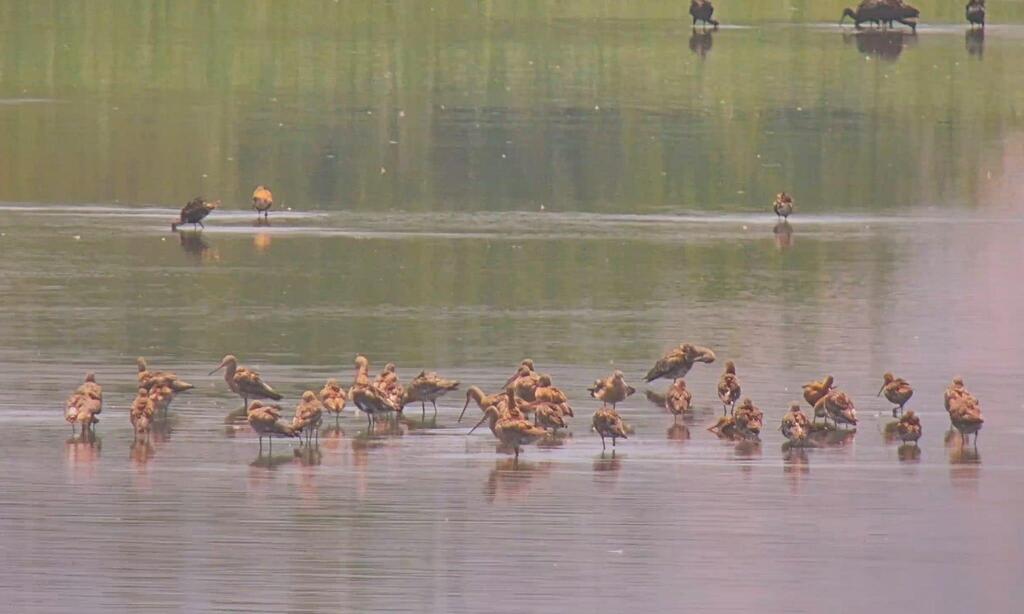
The flamingos are only the beginning. Shorebirds and songbirds are typically among the first migratory species to appear each year, and visitors can already see the season’s first shanks, ruffs and godwits. Grey herons and spoonbills have also arrived, taking advantage of the lake’s abundant food supply.
Their arrival is not triggered by falling temperatures, but by changes in daylight. As the days begin to shorten, migratory birds receive a natural signal to complete their nesting season, prepare their young, build up energy reserves and begin their long journey south.
“We are now in a fascinating season,” said Inbar Shlomit Rubin, field manager at KKL-JNF’s Hula Lake Park. “On the one hand, the last of the nesting birds are still caring for their young. On the other, every morning brings a new surprise as we discover which species arrived at the lake overnight.
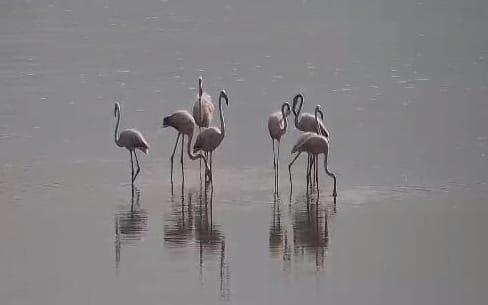
First flamingos of the season at the KKL-JNF Hula Lake
(Photo: Inbar Shlomit Rubin)
“It is always exciting to watch the lake fill with life, especially as the first storks will begin passing through Hula Lake during August.”
Plain Tiger butterflies, which also migrate seasonally, have begun appearing around the lake as well, adding bright flashes of color to the landscape. The number of migratory birds passing through the area is expected to rise steadily as autumn approaches, reinforcing Hula Lake’s role as one of Israel’s most important wildlife sites.
Located along a major global migration route, the lake provides birds with a critical place to rest and replenish their energy, thanks to its rich food resources and protected environment.