

Seeds for the future
Shortly after the large-scale terrorist attack on Israel on October 7, 2023, and the subsequent military response in Gaza and along the northern border, some were already thinking about how to repair the damage. Not only to people, but also to plants whose habitats had been destroyed.
Heavy machinery operating in combat zones compacts the soil, preventing seeds from germinating. Fuel spills further damage the natural ability of vegetation to recover. Scientists at the seed bank at the Volcani Institute, officially known as the National Gene Bank, stepped in to help. Teams collected plant samples from affected areas and preserved their seeds, so they could eventually be returned to their natural habitats.
The gene bank, part of the Agriculture Ministry’s research arm, has existed for decades. About 20 years ago, in cooperation with Yad Hanadiv, it was expanded into a national seed repository. Its official name today is the Center for Genetic Resources and Seed Quality.
“It was established to preserve plants as a basis for research, to enable active restoration of damaged areas, to ensure food security and to allow future generations to enjoy these plants as we do,” said Dr. Einav Mayzlish Gati, the center’s director.
Israel’s rapid urbanization has reduced natural biodiversity, she noted. Of roughly 2,500 species of wild plants in Israel, about a quarter are threatened or endangered.
Seed preservation involves far more than collection. Botanists gather plant material in the field, and specialists at the facility identify species and manually extract seeds. Some are stored, while others are used for germination studies.
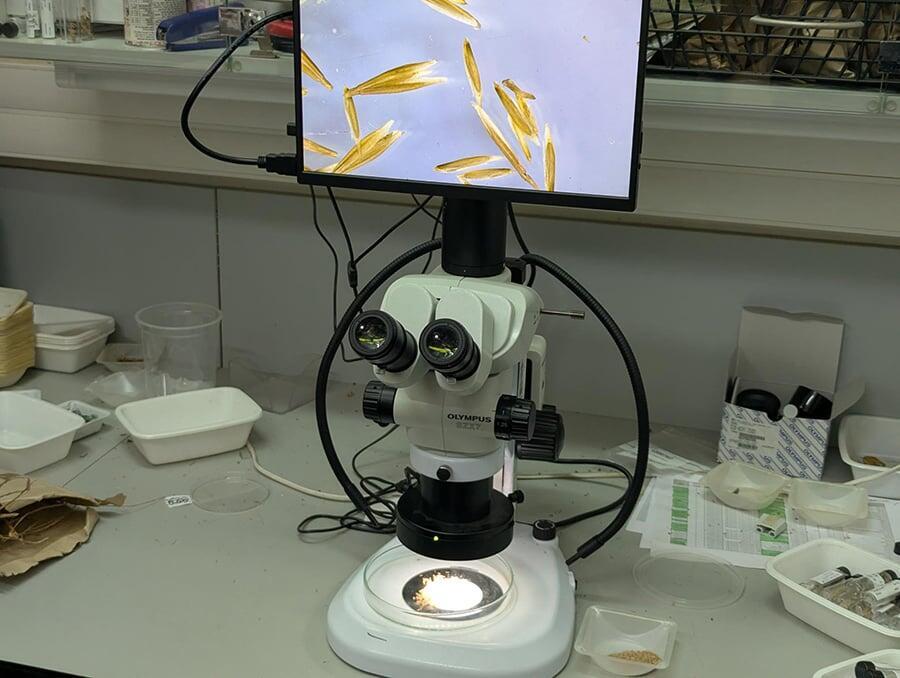
Part of the work involves studying the seeds and finding the optimal ways to germinate them and grow the plants
(Photo: Ettay Nevo)
“It is not enough to collect seeds,” Mayzlish Gati said. “We also need to understand how to germinate and grow them. Part of the rehabilitation effort is to develop protocols and grow plants so we can produce more seeds to return to nature.”
The goal is not just preservation, but maintaining the ability to reintroduce plants into suitable habitats where they can adapt to changing conditions.
One example is Hormuzakia negevensis, a rare shrub found only in Israel. Researchers propagated it through cuttings and later through seeds, restoring populations in protected areas.
More recently, during ongoing military activity, conservationists discovered a rare plant species in the Jerusalem hills that had not been seen since 2007. Scientists succeeded in producing a new generation through controlled pollination and careful monitoring.
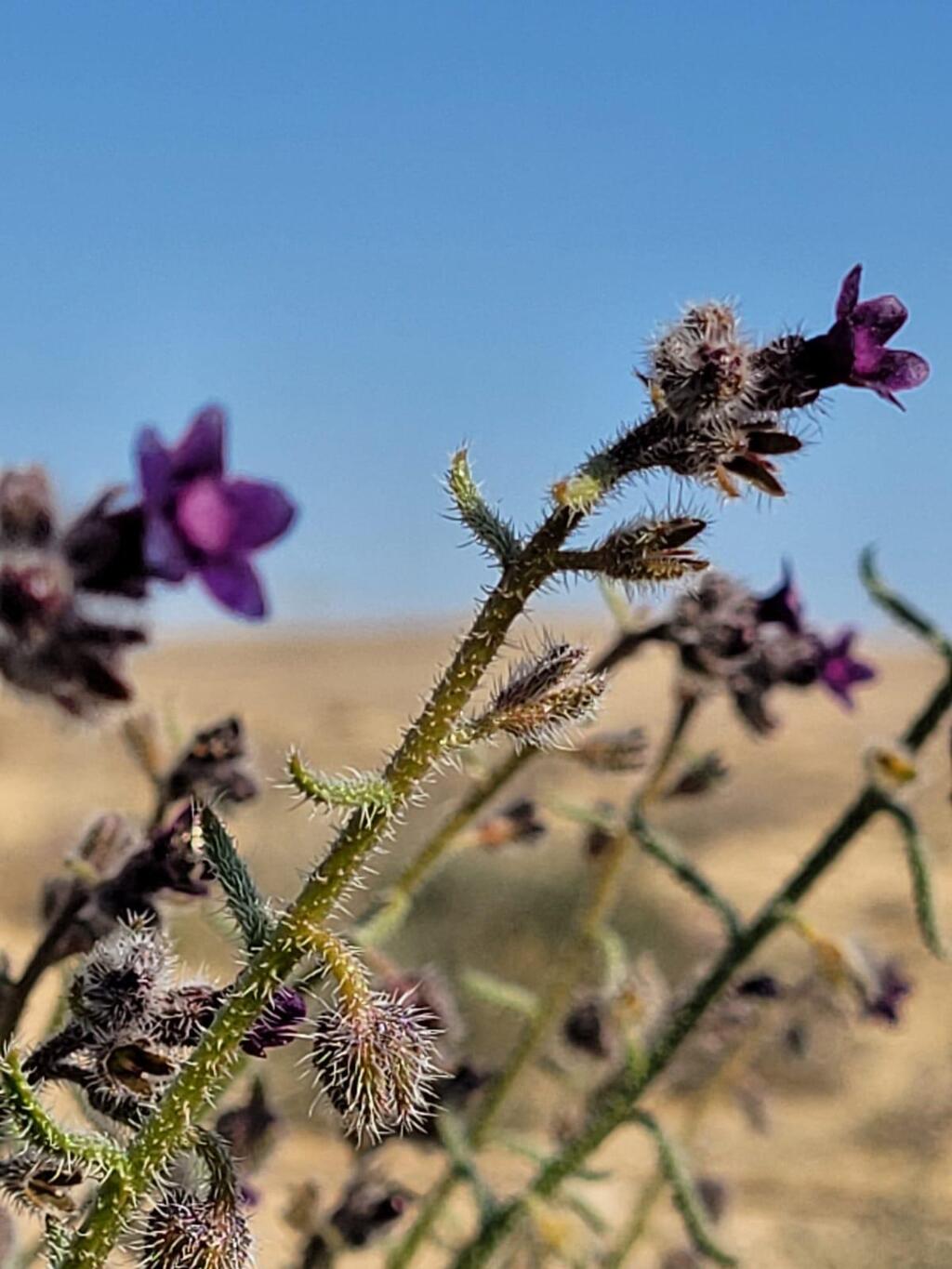
Hormuzakia negevensis
(Photo: Zehava Segal)
While many countries maintain seed banks, including a global facility in Svalbard, Norway, Israel’s model combines storage with active research, similar to the Royal Botanic Gardens at Kew in Britain.
The gene bank has also been used in environmental recovery efforts, including after a 2014 oil spill in the Arava Desert. Researchers used seeds to test when vegetation could return and how clean the soil needed to be.
The facility now holds about 50,000 seed samples under conditions designed to preserve them for decades, potentially centuries. Despite its importance, it is run by a small team of about 10 people.
Inside its modest storage rooms, rows of metal shelves hold small packets of seeds containing millions of years of evolutionary knowledge, preserved for future crises, whether war, pollution or climate change.
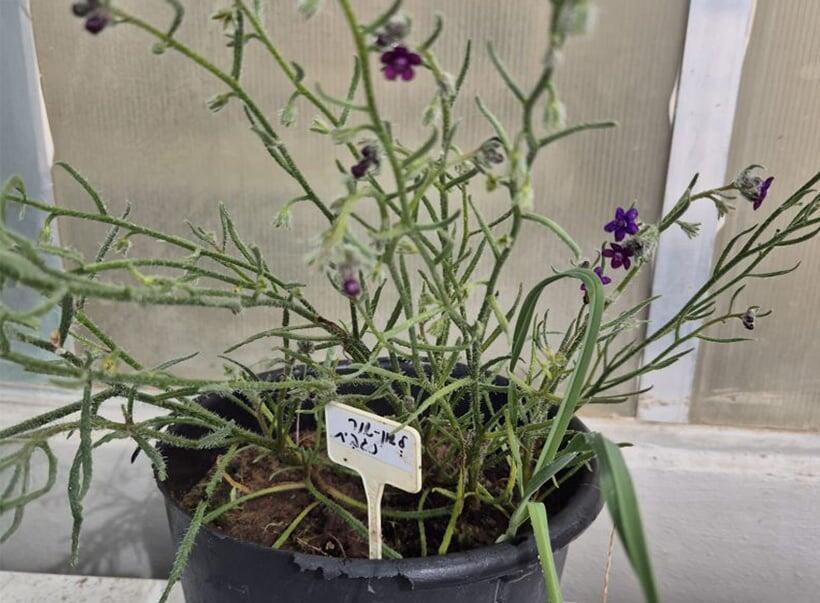
Succeeded in creating and reintroducing new populations of a critically endangered plant. A Hormuzakia negevensis plant grown by the gene bank team
(Photo: Tomer Farag, Gene Bank, Volcani Institute)
Saving the tomatoes
Tomatoes are a cornerstone of Mediterranean cuisine, including Israeli dishes such as salads, shakshuka and sauces. But plant diseases pose a major threat, costing global agriculture billions of dollars each year.
One particularly destructive virus, known as ToBRFV, was first identified in Israeli and Jordanian greenhouses in 2014. It damages tomato plants, reduces yield and leaves fruit discolored and unsellable.
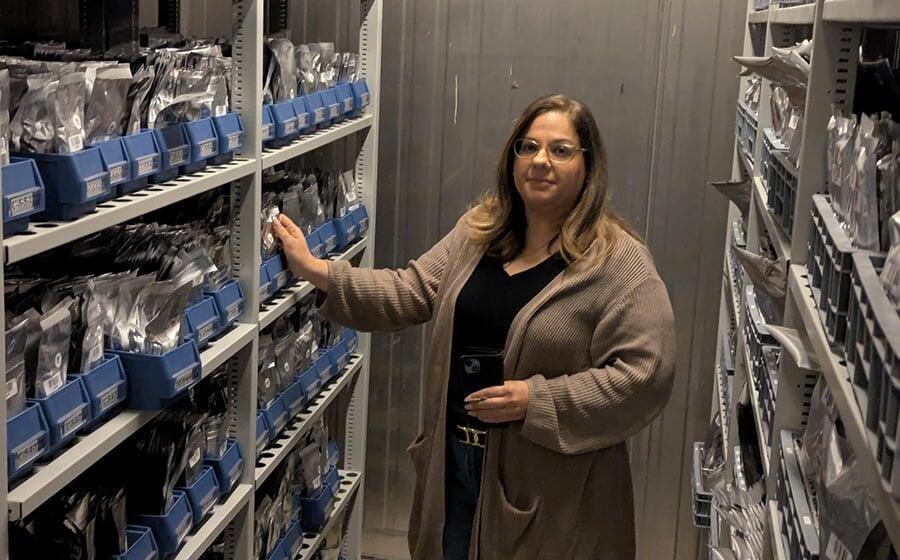
50,000 samples preserved under conditions that can keep them viable for hundreds of years, for nature and food security. Dr. Einav Mayzlish Gati in the cooling vault of the National Gene Bank
(Photo: Ettay Nevo)
The virus spreads easily through contact, especially in labor-intensive crops like tomatoes. It can also persist in soil, making it highly resilient.
Dr. Ziv Spiegelman of the Volcani Institute explained that the virus evolved to evade the plant’s natural defenses.
“We found that the virus’s movement protein changed, allowing it to escape the plant’s receptors and become a global epidemic,” he said.
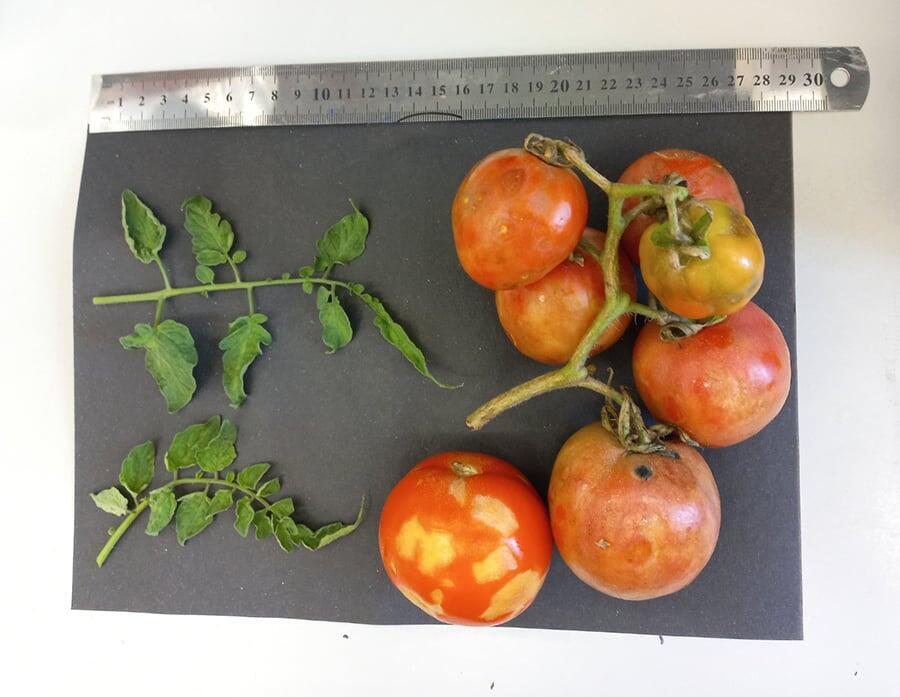
Reduced growth, lower yields, and tomatoes marked by spots and wrinkling. Branches and fruit of tomato plants infected with the ToBRFV virus
(Photo: Dr. Ziv Spiegelman)
Researchers are now working to modify plant receptors so they can recognize and resist the virus again. Using genomic editing tools such as CRISPR, they aim to create plants with reduced susceptibility without introducing foreign genes.
“We are not adding new genes, but making targeted changes to existing ones,” Spiegelman said. “It is a precise and safe approach.”
The team is also developing rapid detection tools that can identify the virus within 15 minutes, days before symptoms appear. Early detection cannot save infected plants, but it can help prevent widespread outbreaks.
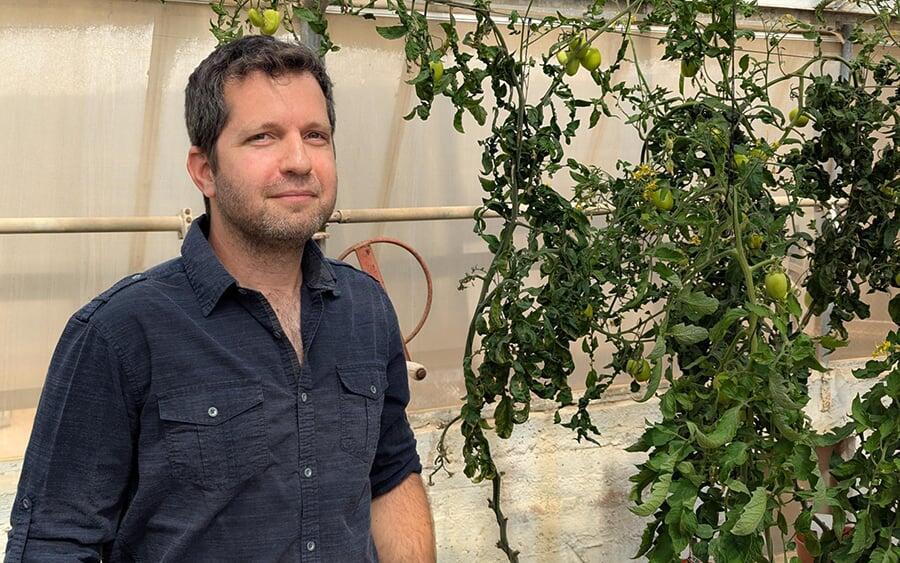
Dr. Ziv Spiegelman
(Photo: Ettay Nevo)
Other research groups are exploring complementary approaches, including identifying naturally resistant tomato varieties and improving agricultural practices to limit transmission.
Tomato farming is particularly important in Israel, with about 70% of production located near the Gaza border.
Growing apples in the desert
Unlike tomatoes, apples are not naturally suited to Israel’s climate. Originating in cooler regions, apple trees require cold winter conditions to produce fruit.
Climate change is making traditional growing areas less suitable. Researchers are now working to develop new apple varieties that can thrive in warmer conditions.
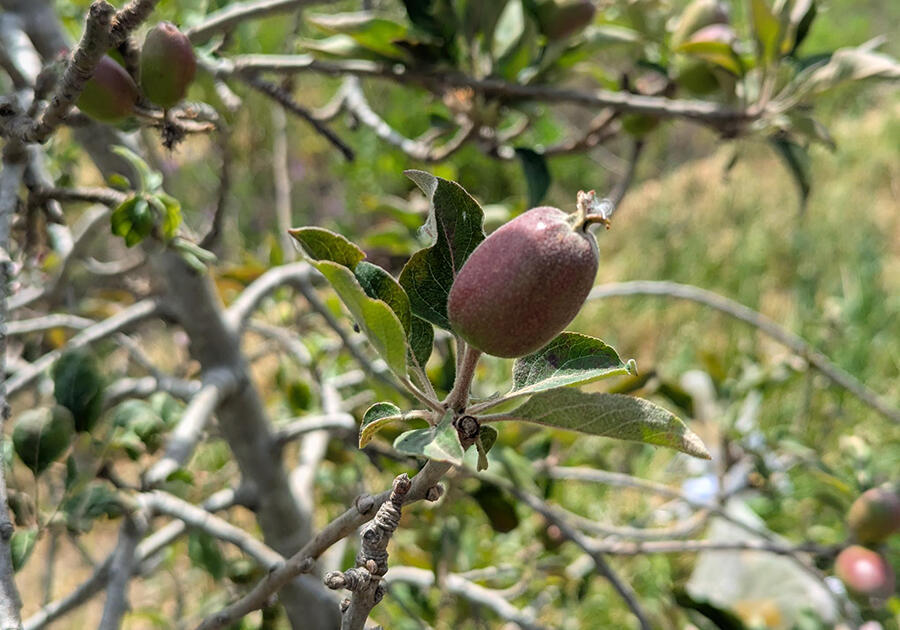
“If we succeed in developing apple varieties that can grow in Mediterranean or desert regions, there will be a huge market for them.” One of the young apples on hybrid trees in the Volcani Institute’s experimental orchard
(Photo: Ettay Nevo)
Dr. Yael Grunwald of the Volcani Institute is leading efforts to breed apples adapted to Mediterranean and even desert climates. By crossing heat-tolerant varieties with commercial ones, the team aims to produce fruit with good taste and longer shelf life.
Growing fruit trees requires patience. It can take five to six years before results are visible. Out of about 1,500 initial hybrids, only a handful show promise.
Researchers are now evaluating traits such as yield, taste, sugar content and storage potential. Some experimental apples have already shown the ability to last up to two months in basic storage conditions.
“If we succeed in developing varieties that grow in warmer regions, the market potential is huge,” Grunwald said. “It could allow more local production and reduce reliance on imports.”
Harnessing microbes for agriculture
Not all agricultural innovation involves visible crops. At a new microbial agrotechnology center at the Volcani Institute, scientists are cultivating bacteria, fungi and other microorganisms.
These microbes can support plant growth, protect against disease, clean contaminated soil and reduce greenhouse gas emissions.
“Microorganisms have many roles in agriculture,” said Dr. Or Shapira, head of the center. “Some help plants absorb nutrients, others protect them from pests or environmental stress.”
The center aims to bridge the gap between laboratory research and commercial application, often referred to as the “valley of death.” Many promising technologies fail to scale due to cost or technical challenges.
Using fermentation systems, researchers can grow microbes in larger quantities for field trials. Future plans include facilities for stabilizing products and conducting high-throughput testing.
Early projects include bacteria that protect tomatoes from fungal infections and microbial solutions to reduce contamination in poultry.
“The market is looking for greener alternatives,” Shapira said. “Reducing the use of chemicals in agriculture is a global priority.”
He estimates the market for such solutions is currently worth $8 billion to $12 billion annually and could quadruple by mid-century.
“If we can bring these technologies to market, Israeli researchers and companies can lead the field,” he said. “If not, others will commercialize our innovations.”
Across these projects, from seed preservation to genetic research and microbial technologies, Israel’s agricultural scientists are working to address some of the most pressing challenges of the future: food security, environmental damage and climate change.