

A tiny wild cat living in Bolivia’s cloud forests has been identified as a species previously unknown to science, marking the first time a new living cat species has been formally named and described in more than a century.
Known as the tilcayo by local communities, the animal belongs to the group of small spotted felines commonly known as tiger cats, which are found across parts of South America. Researchers gave the newly identified species the scientific name Leopardus tilcayo, preserving the name used by people in the region.
Gallery
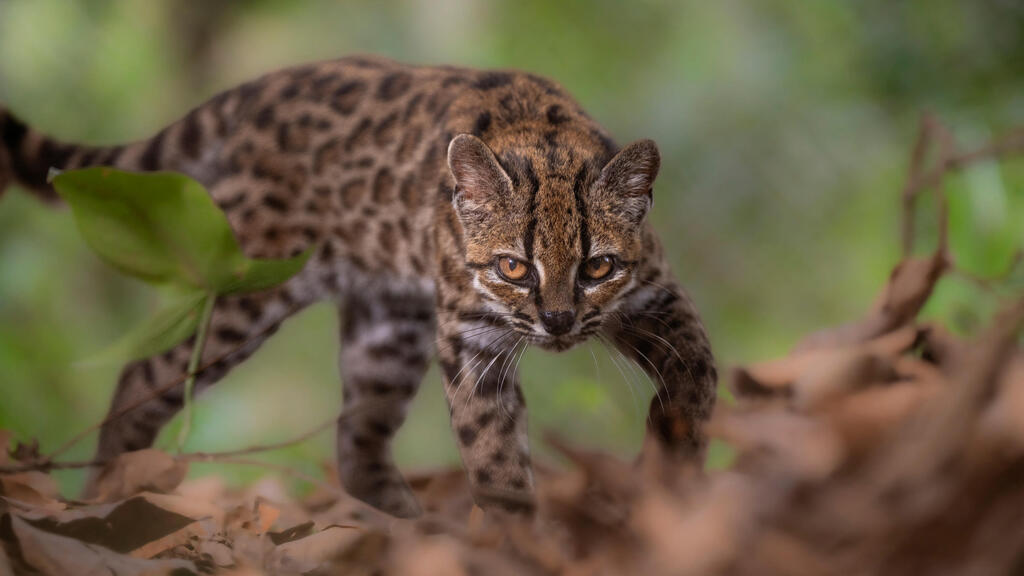
Meet the leopardus tilcayo: Bolivia’s tiny wild cat is the first new feline species named in a century
(Photo: Fernando Faciole/National Geographic/Handout/Reuters)
The cat lives in Bolivia’s lush Yungas forests, a mountainous ecosystem where dense vegetation is often shrouded in clouds and humidity remains high.
At about 46 centimeters long and weighing just 1.4 kilograms, the tilcayo is smaller than the average domestic cat.
Researchers used genetic evidence to establish that it represents a distinct species, according to a study published in the journal Current Biology.
Little is known about how the cat lives. Remains of small rodents found in scat samples suggest they may form part of its diet, while camera-trap footage indicates that the animal may be primarily active at night.
Tiger cats are considered cryptic species, meaning closely related species can be extremely difficult to distinguish from one another based solely on appearance.
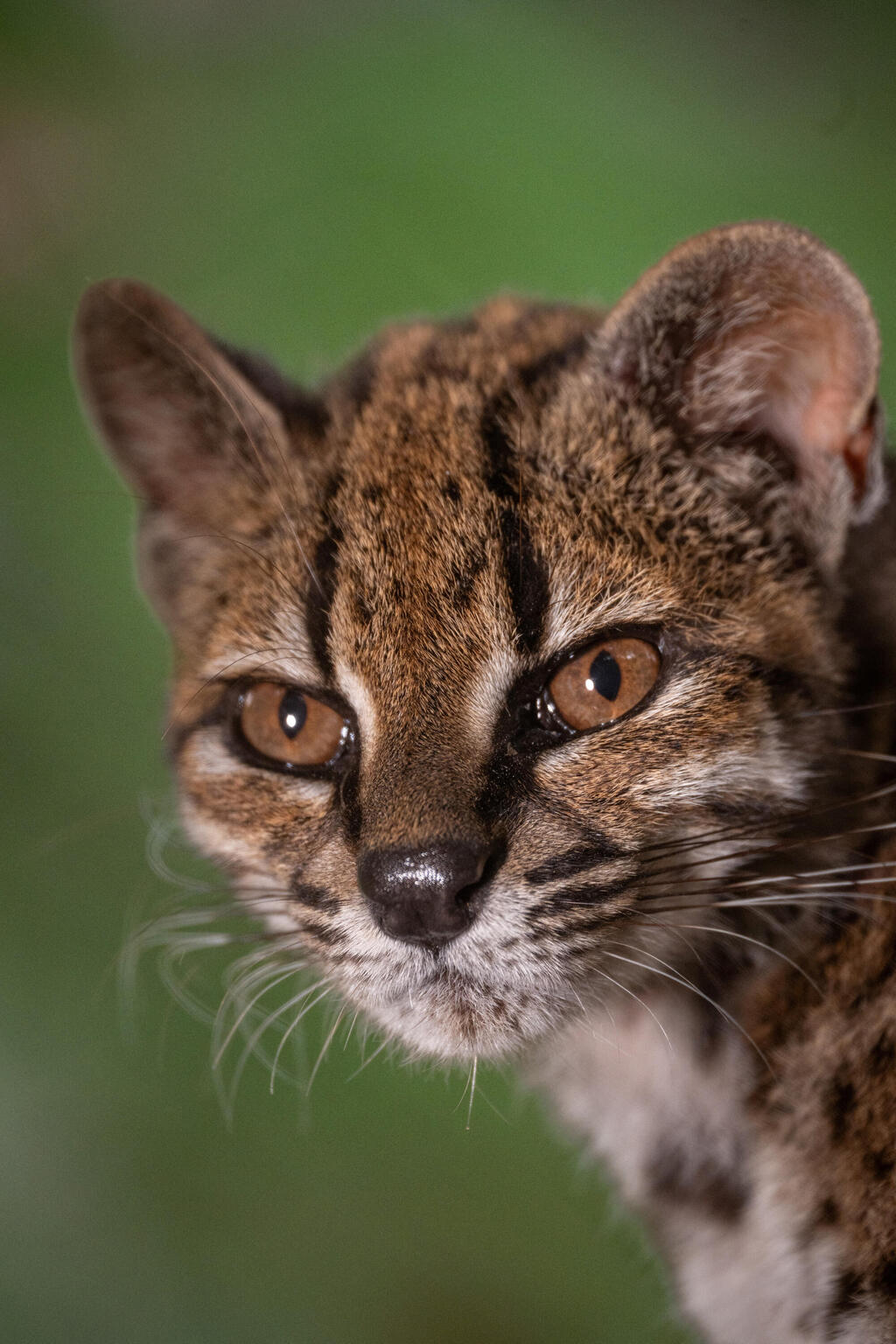
(Photo: Fernando Faciole/National Geographic/Handout/Reuters)
“Tiger cats are considered species that are difficult to distinguish based on appearance alone,” said evolutionary biologist Jonas Lescroart of the University of Antwerp in Belgium, one of the researchers involved in the study.
Scientists previously treated these cats as a single species, Leopardus tigrinus, commonly known as the oncilla, though genetic studies over recent decades had increasingly suggested that several separate species were hiding under that classification.
Knowledge of the newly identified Bolivian species remains extremely limited. Researchers examined just two living animals, along with a small number of camera-trap records.
One of the two is a 10-year-old male now living at the Senda Verde Wildlife Sanctuary in Bolivia after previously being kept in a local family’s home.
DNA reveals a separate lineage
The researchers analyzed DNA from 38 cats sampled across several South American countries, including eight specimens held in museum collections.
Their findings showed that what had broadly been classified as tiger cats actually comprises five genetically distinct species.
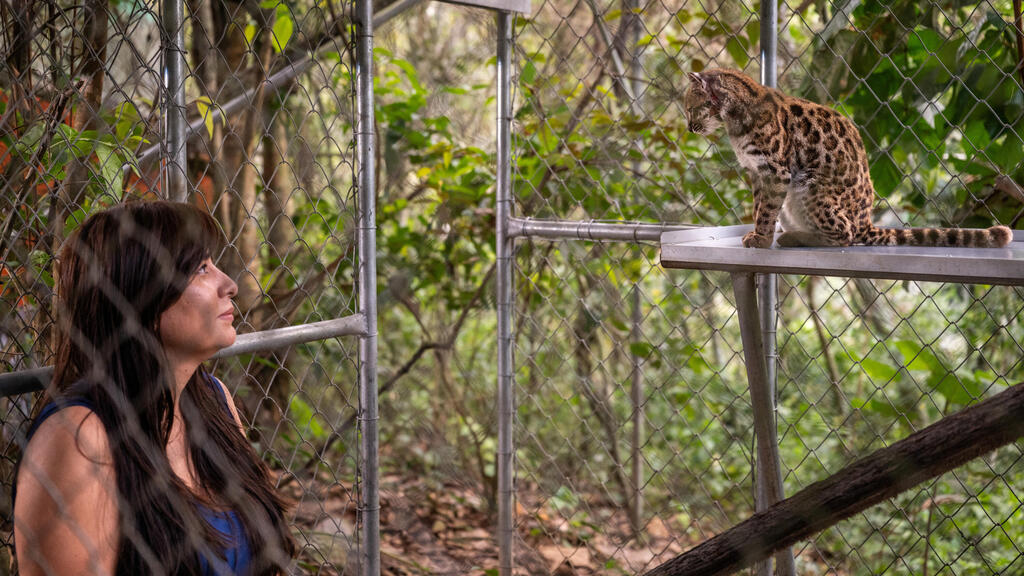
The Leopardus tilcayo cat, now living at the Senda Verde Wildlife Sanctuary in Bolivia
(Photo: Fernando Faciole/National Geographic/Handout/Reuters)
“We never expected this Bolivian tiger cat to be a separate species, and no one had ever proposed it as a different animal, subspecies or otherwise,” Lescroart said.
Genetic analysis indicated that the tilcayo lineage separated from other tiger cats about 1.4 million years ago.
“The more differences in their DNA, the longer the time that we estimate those lineages to have been physically separated,” Lescroart explained. Such a degree of separation is generally considered sufficient to distinguish separate species among cats.
The research team also described a new tiger cat subspecies in Peru, naming it Leopardus tigrinus antisuyo after Antisuyu, the region of the ancient Inca Empire that encompassed the area where it lives.
A new species already under threat
Identifying separate species is not merely a question of taxonomy. It could substantially change scientists’ understanding of how threatened these animals are.
The International Union for Conservation of Nature currently treats tiger cats as two vulnerable species whose populations are declining. The new findings could lead conservationists to assess each of the five genetic lineages separately.
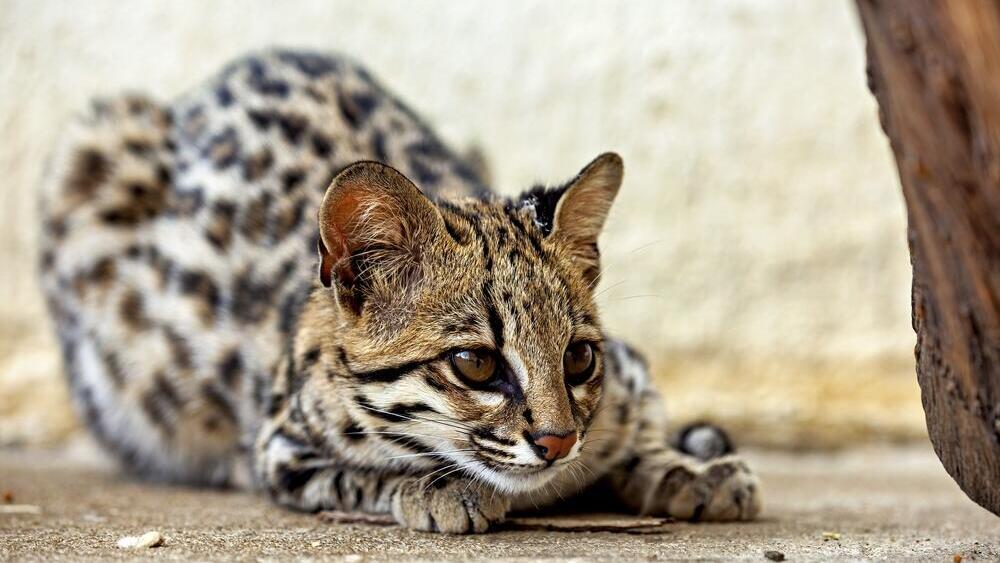
The oncilla, previously considered the only species in the tiger cat group
(Photo: hecke61/Shutterstock)
That could mean species with much smaller populations and geographic ranges, including the tilcayo, ultimately qualify for a higher level of threat, potentially including endangered status.
The concern is particularly acute because the Yungas forests where the tilcayo lives are under growing pressure from human activity.
Deforestation, agricultural expansion, human-caused fires and extensive mining increasingly threaten the region’s natural habitat.
Bolivian biologist and National Geographic explorer Paola Nogales-Ascarrunz said urgent priorities include restoring forest areas damaged by fires, protecting the native forests that remain and maintaining connections between fragmented habitats.
For researchers, the discovery also serves as a reminder of how much remains unknown even among some of the world’s most recognizable groups of animals.
“The fact that we can show the general public that even in a well-known and prominent group such as cats there are still new species to discover sends an important message,” said evolutionary biologist Eduardo Eizirik of the Pontifical Catholic University of Rio Grande do Sul in Brazil.
“There are many undiscovered species out there in the world, and they are at risk of disappearing before we even discover them.”