

Open your spice cupboard for a moment. Chances are that behind the familiar jars lies your family story, and in many ways, the story of all of us.
Israeli cuisine is a vibrant meeting point of flavors from almost everywhere on the globe: paprika that arrived with grandmothers from the Balkans and Eastern Europe after a long journey from South America; cumin and turmeric that took root through North African and Indian communities; and baharat or hawaij, without which Iraqi and Yemeni cooking simply would not be the same.
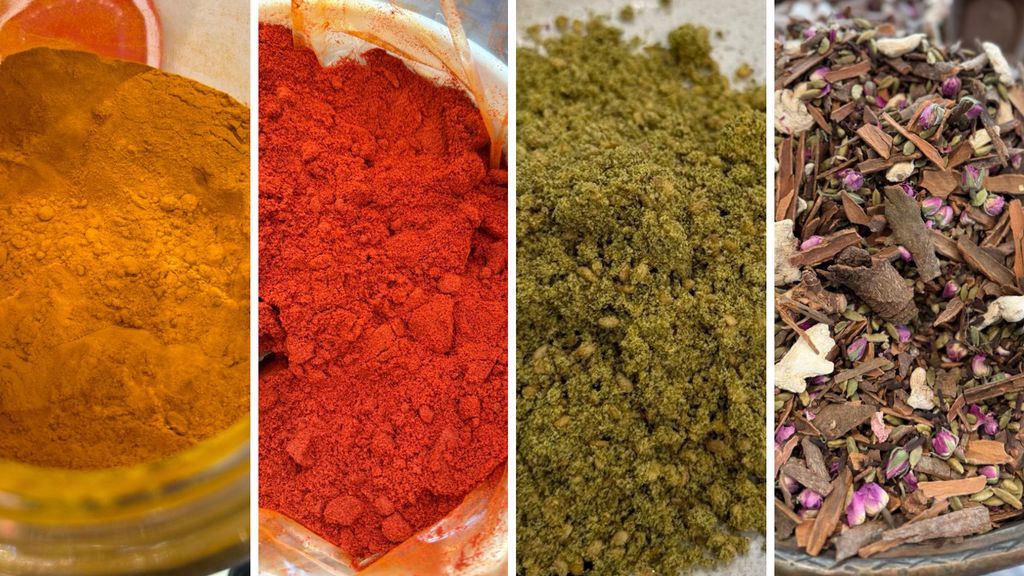
Slowly, what was once identified with ethnic kitchens became a familiar Israeli taste. Spices left their traditional homes and became an inseparable part of everyone's daily life, such as in Saturday shakshuka, children’s yellow rice, or the seasoning of meatballs.
Here are the most popular spices in Israel and the value they add to the plate.
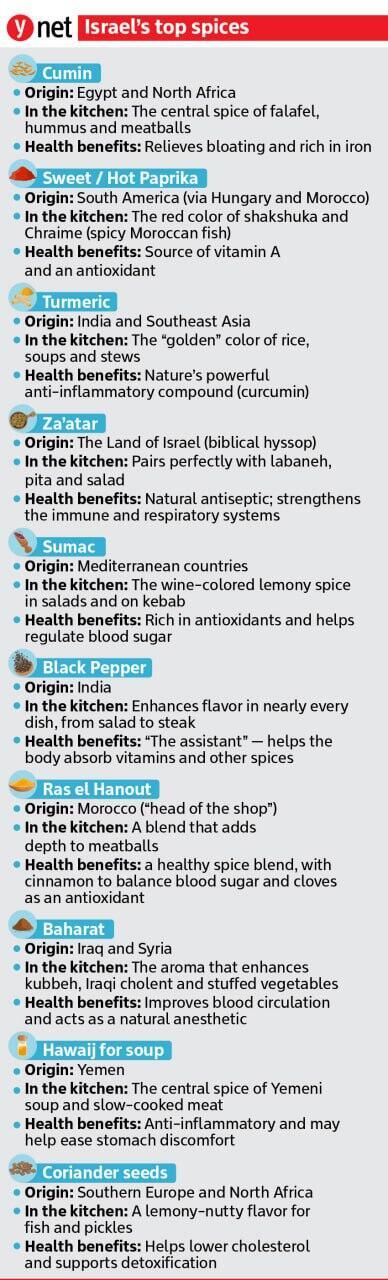
From grandma’s kitchen to TikTok
To better understand Israeli spice consumption habits and how spice cupboards have changed in recent years, we spoke with Guy Pereg, owner of Pereg Spices. Pereg offers a behind-the-scenes look at the spice world, from timeless classics to trends driven by social media.
"The most sought-after spices among Israeli consumers are sweet paprika, black pepper, turmeric and cumin," Pereg said. "They’ve been in our collective consciousness the longest and come from many cuisines and communities, Western and Eastern, Sephardic and Ashkenazi. This is the leading quartet, but there are many more. The basic spices in every kitchen are always black pepper and paprika. Black pepper appears in almost every dish, while paprika is used more in foods that need red color, in sweet or hot versions."
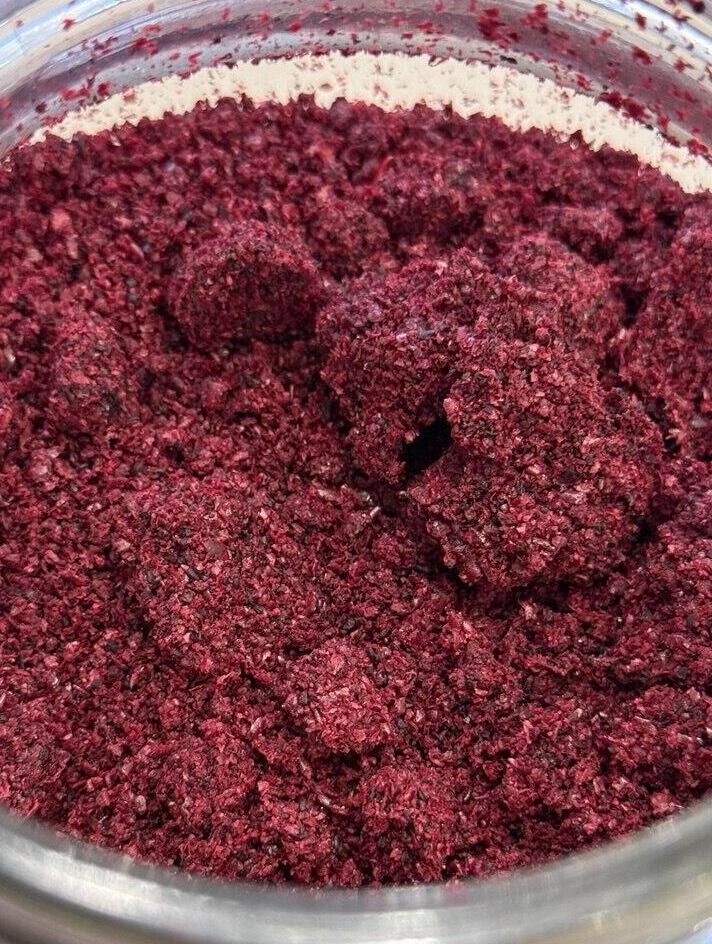
Sumac
(Photo: Sapir Gordo)
Has any spice surprised you with a sudden rise in popularity?
"A spice that used to be niche and is now mainstream is 'ras el hanout'. It’s a signature blend each shop or producer takes pride in. It has become very popular in recent years and is used in meatballs and aromatic stews. It’s usually made up of many spices. In our family, for example, we make it from 13 different spices, including roses. It’s very special, and today it is also used in baked foods. It works in bread, too, thanks to its dominant and surprising cinnamon note."
Do you see generational differences in spice use?
"There’s the old school and the new age. Younger people are heavily influenced by media trends, exposed to new worlds and far more open to experimentation. The traditional, grandma-style kitchen sticks to the same recipes and basic spices. They buy fewer blends, apart from ras el hanout, and stay with cumin, black pepper and paprika.
"New blends and flavors come from people exposed to TikTok and Instagram. When a chef or influencer's recipe takes off, we feel it immediately in the shops. People come asking for very specific products, like 'Philadelphia spice' or 'Tuscan spice', because they saw a successful recipe online."
Where do we go wrong with spices?
"In my view, it lies in overuse. Too much can make a dish bitter, overly spicy or salty, so moderation is key. Another mistake is adding spices at the very end of cooking. It matters whether you add them at the beginning, allowing them to open up and release their flavors. It’s like leftovers tasting better the next day, because all the flavors have had time to develop and connect."
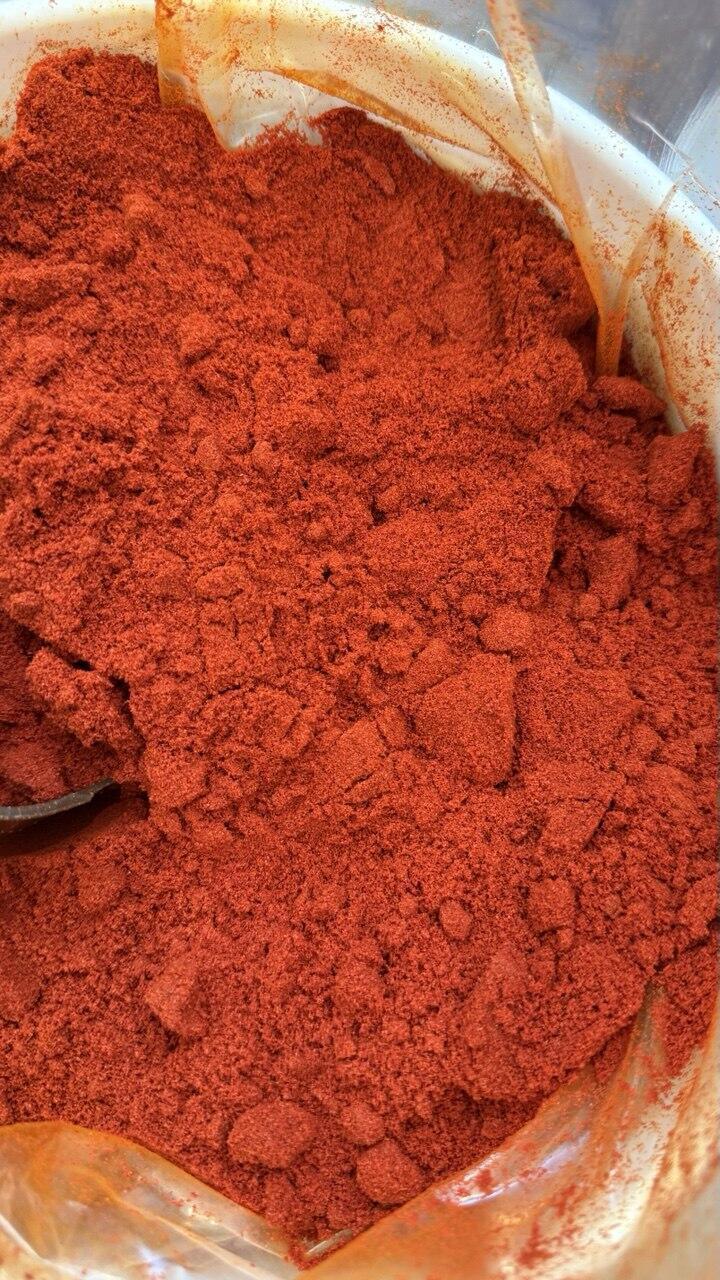
Paprika, the most popular
(Photo: Sapir Gordo)
What is the best way to store spices?
"In the freezer. All the essential oils stay inside, nothing evaporates and freshness is preserved. There’s effectively no expiration date when spices are frozen. The biggest mistake is storing them above where you cook, like above a microwave or oven. Heat kills them. The worst enemy of spices is heat, which takes away their flavor and color and shortens shelf life."
What’s the secret to maintaining quality and freshness?
"First, look at them. If they look good, that’s a start. Then taste. The date displayed on the package is another indicator, but appearance and flavor matter most. For optimal storage, always use the freezer. They can last for years, even beyond the printed expiration date."
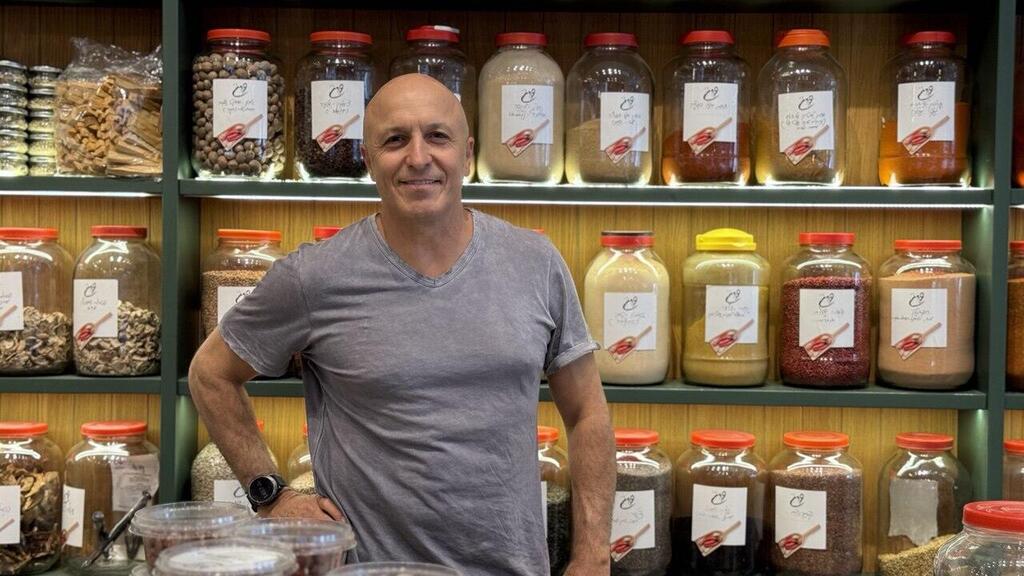
Guy Pereg. Store spices in the freezer
(Photo: Sapir Gordo)
If you enjoy hands-on cooking and have patience, you have an advantage. "Fresh grinding is always best," Pereg explains. "All the aroma is released at that moment. That’s true for spices and for coffee. But it’s not always practical. Not every spice can be ground at home, and it requires equipment and cleaning between spices. If you buy a spice from a trusted source that’s pure, well packaged and stored in a cool place, it will be very close to freshly ground."
Does usage change with the seasons?
"In winter it’s easier and more enjoyable to eat stews and spicy foods than in summer, which leans toward watermelon and ice pops. In winter, with colds going around, there’s also greater use of spices aimed at strengthening the immune system, like turmeric, cinnamon, ginger and garlic."
What is the most Israeli spice?
"Za’atar. It’s been used here since biblical tribal times, grew in the Land of Israel and was known as biblical hyssop. It was used by the ancient Israelites, and it includes olive oil, which is also deeply local."
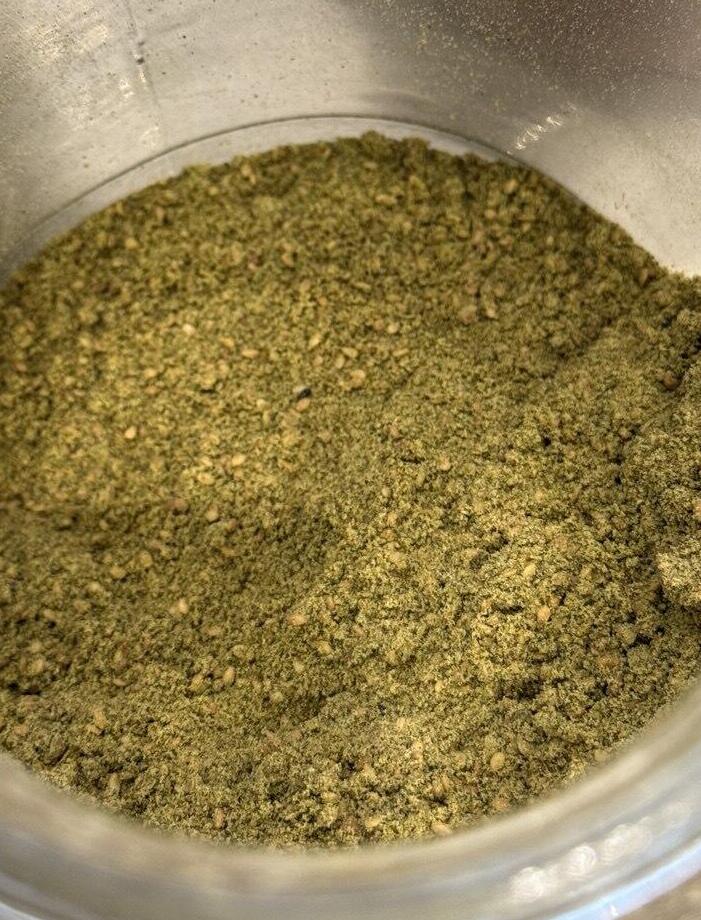
Za'atar, most Israeli spice
(Photo: Sapir Gordo)
One final tip for home cooks?
"When using paprika, it’s best to bloom it in oil before use, mixing it in a cup with a bit of hot water and then adding it to the dish.
"Also, when buying spices, choose products from a trusted shop and check the ingredients to make sure they don't contain gluten. There’s no reason to add anything beyond a 100% pure product."
The dilemma: flavor or health?
After learning how to cook with and store spices, the question remains how they affect the body. Meital Levy, a clinical dietitian with Leumit Health Services, says spices play a dual role: they enhance flavor and also act as “helpers” to the body’s systems, but she warns that cooking methods can dramatically affect their nutritional value.
What is the nutritional value of spices?
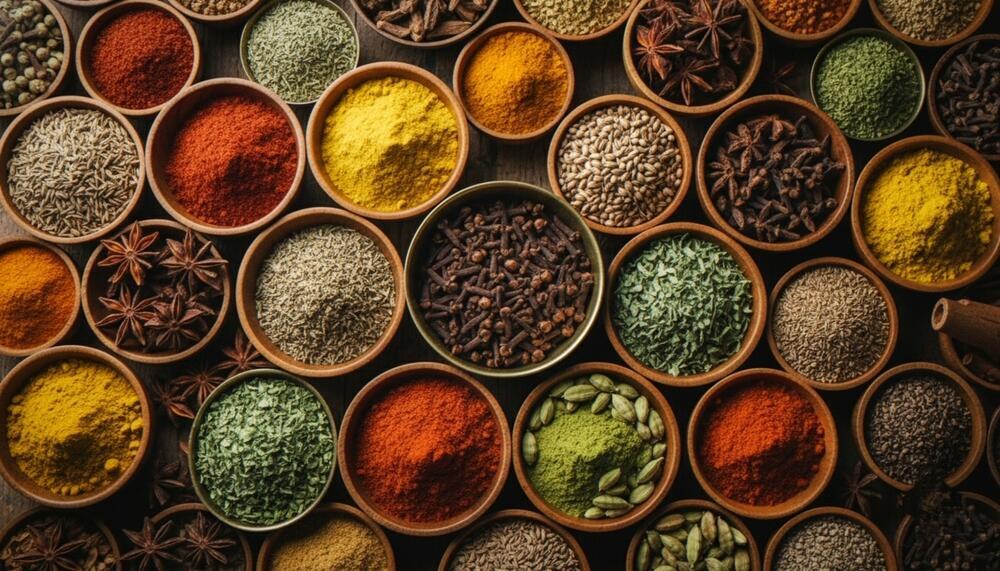
"Spices are primarily about flavor and aroma, but they also have important nutritional value in terms of antioxidants and anti-inflammatory compounds. Turmeric, for example, is considered anti-inflammatory and antibacterial, as is garlic, including granulated garlic. Some spices support digestion, others strengthen the immune system. They really function as helpers for the body."
(Photo: Shutterstock)
If you had to choose the healthiest, which would they be?
"Turmeric comes first, with its anti-inflammatory effects. It can help with pain, diabetes and brain health. Pepper can aid digestion and improve the absorption of other nutrients. Garlic supports heart and blood vessel health and has anti-inflammatory and antibacterial effects. Cumin contributes to digestive function and helps reduce bloating."
Does cooking harm these benefits?
"This is where balance is needed between flavor and health. If spices are added at the start of cooking and exposed to prolonged heat or frying in hot oil, their compounds and antioxidants can break down. To preserve health benefits, it’s better to add them at the end, even though cooks often prefer adding them earlier for flavor."
Is it better to use ground or whole spices?
"Pre-ground spices are convenient, but they lose nutritional value over time due to oxidation. Dried whole spices are more concentrated and have a longer shelf life, but the healthiest option is fresh. It is best to buy them whole and grind them close to use, like pepper and cumin, to enjoy the available compounds."
Are there groups that should be cautious with certain spices?
"I wouldn’t generalize, but there are specific cases. Spices like garlic and ginger can have mild blood-thinning effects, so it’s best to avoid them before surgery. Very spicy spices, such as garlic and chili, can also be problematic for people with reflux or esophageal inflammation."