

Spices hold an important place in nutritional and medicinal traditions. Beyond their contribution to flavor and aroma, many spices are considered "warming", meaning they stimulate blood flow, boost metabolism and support a sense of internal heat and energy. This concept is especially common in Chinese medicine, Indian Ayurveda and various folk traditions.
Winter is characterized by cold, dampness, a slowdown in metabolism, fatigue, colds and physical and emotional heaviness. During this season, the body often needs added support to encourage warmth, circulation and strength, and warming spices can play a meaningful role.
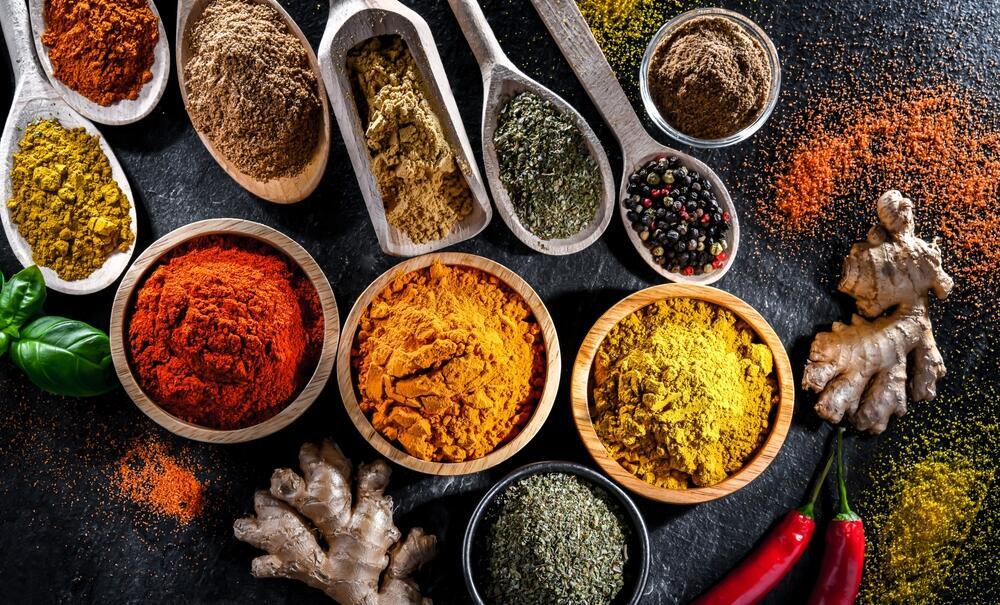
What are warming spices?
Warming spices are typically spicy, aromatic or mildly pungent on the tongue. They influence the nervous and digestive systems, triggering internal processes that generate a sense of warmth. Their effects are not only subjective. Many contain active compounds that have also been studied in modern scientific research.
Common warming spices and their effects
Ginger
One of the most familiar warming spices. Ginger supports digestion, reduces nausea, strengthens the immune system and promotes blood circulation. It is especially common in winter and in cases of an internal cold.
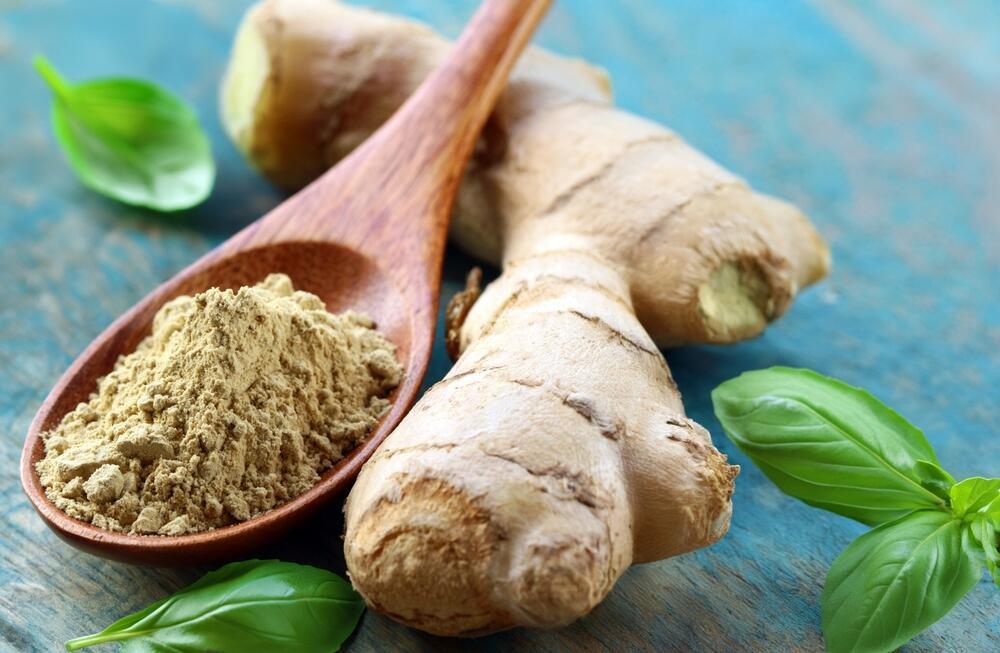
Ginger
(Photo: Shutterstock)
Cinnamon
Beyond its sweet, deep aroma, cinnamon helps balance blood sugar levels, warms the body and contributes to satiety. In traditional medicine it is considered energetically strengthening.
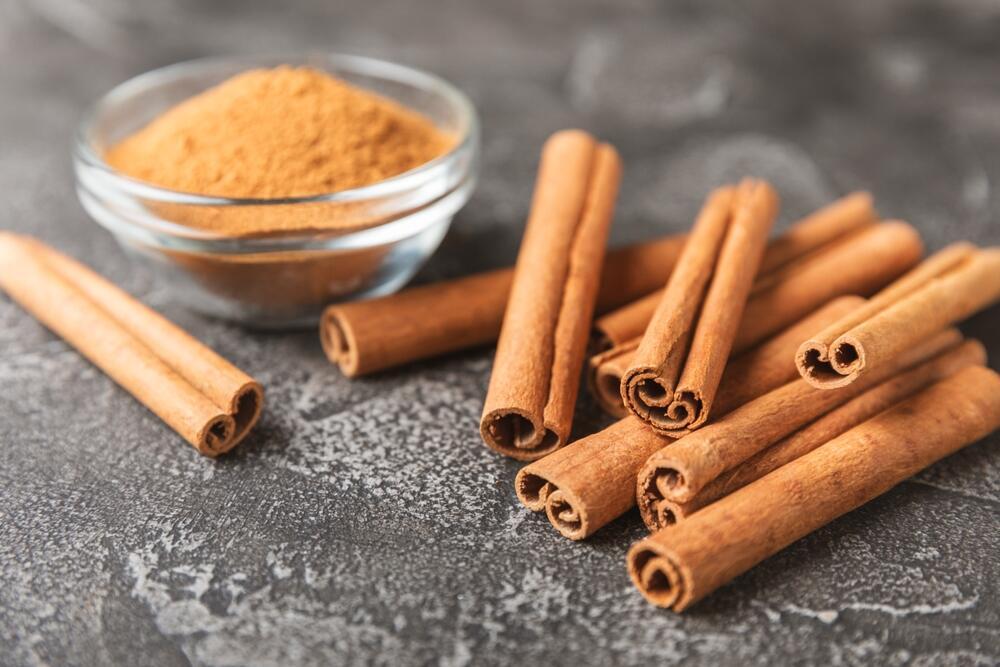
Cinnamon
(Photo: Shutterstock)
Hot peppers and chili
These contain capsaicin, a compound that increases metabolic rate, encourages sweating and may contribute to calorie burning. They create a relatively fast and intense warming effect.
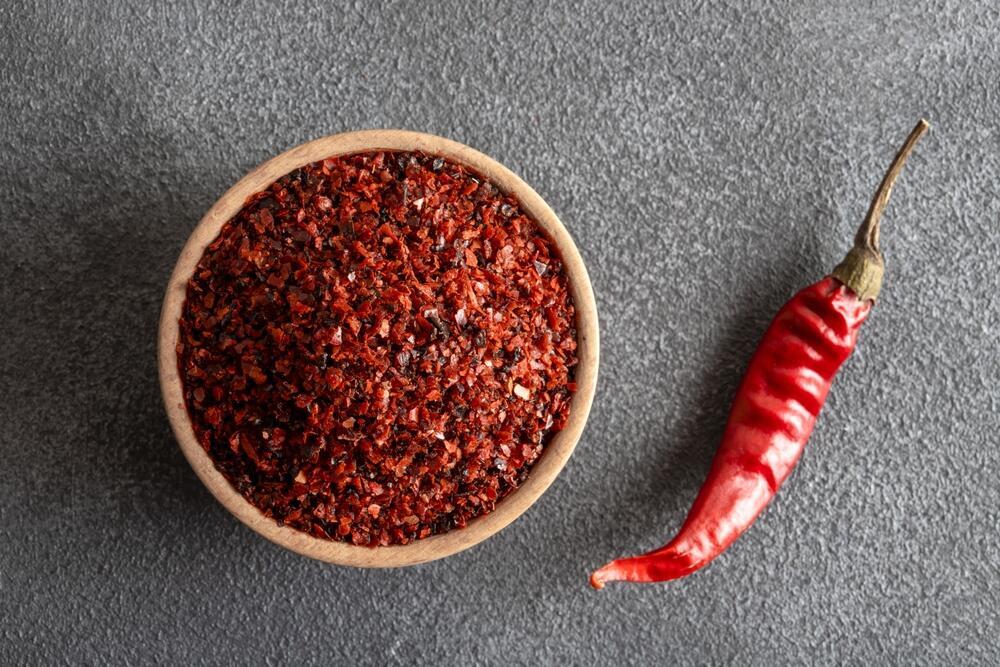
Hot chili
(Photo: Shutterstock)
Cumin
A milder warming spice that supports digestion, reduces bloating and gas, and is considered helpful for nutrient absorption.
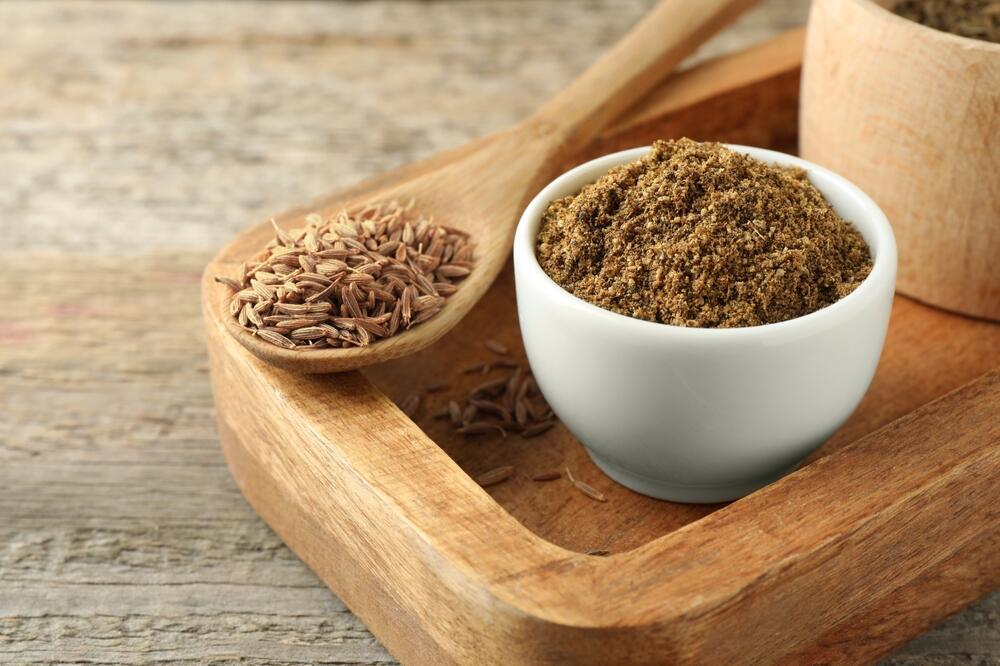
Cumin
(Photo: Shutterstock)
Turmeric
Although not very spicy in flavor, turmeric has a warming and sustained effect. It is known for its anti-inflammatory properties and its contribution to joint and liver health.
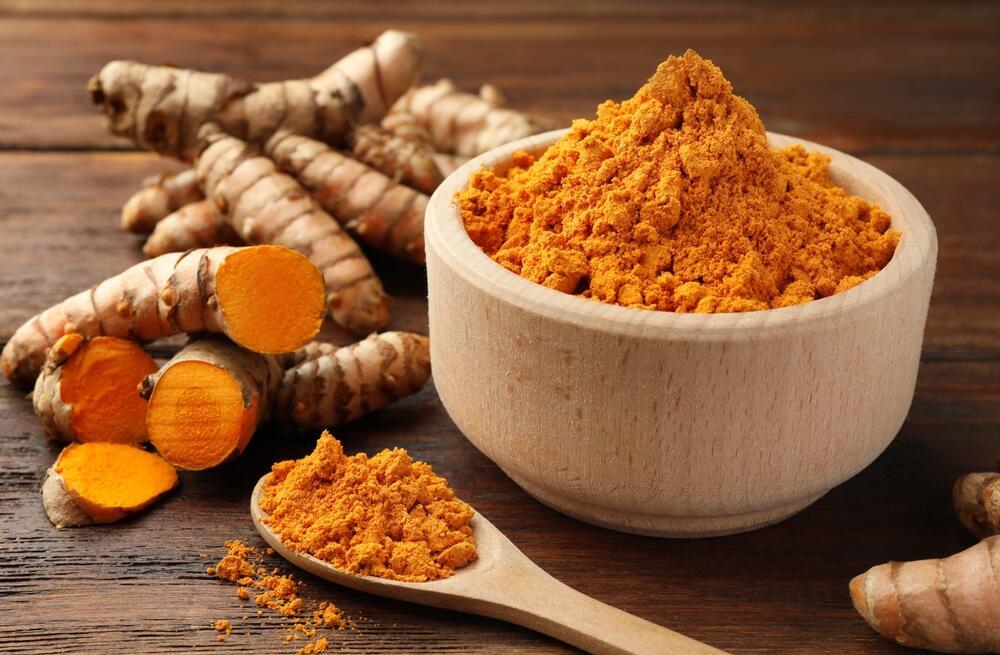
Turmeric
(Photo: Shutterstock)
Cardamom, cloves and nutmeg
Aromatic warming spices often used in infusions and baked goods. They support digestion and create a sense of internal warmth and comfort.
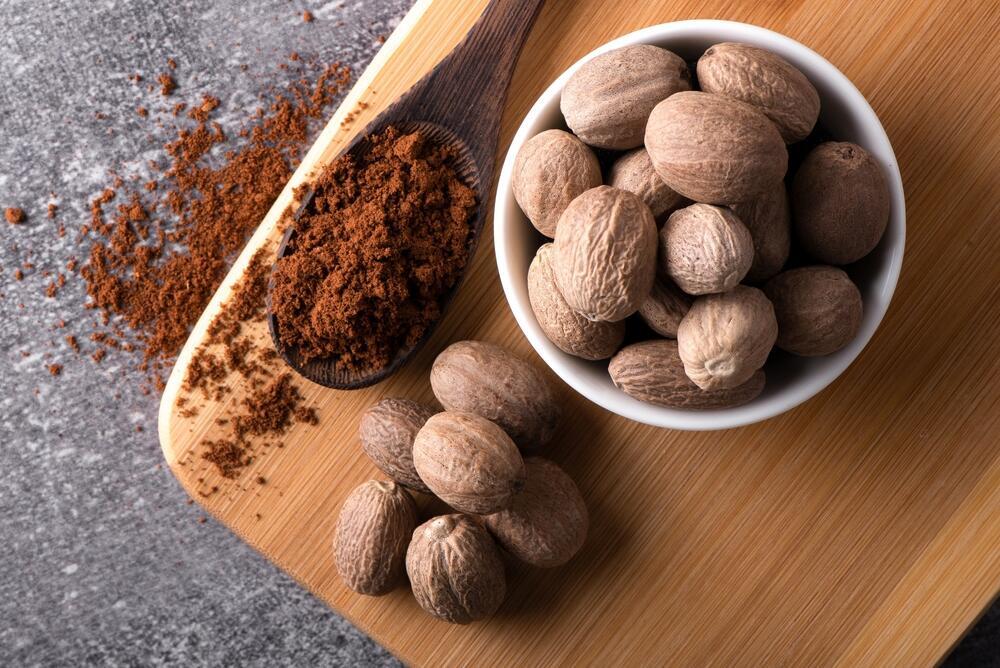
Nutmeg
(Photo: Shutterstock)
Positive effects of spices
Strengthening the immune system
In winter, the immune system is more challenged. Spices such as ginger, turmeric, cinnamon and cloves help enhance the body’s natural defenses thanks to their anti-inflammatory and antibacterial properties. Daily use in food or infusions may help prevent winter illnesses and ease existing symptoms.
Supporting digestion in cold weather
During winter, digestion tends to be slower and heavier, partly due to cooked, starchy and fattier foods. Cumin, cardamom, ginger and black pepper stimulate digestive enzymes, reduce bloating and help maintain a lighter feeling even after hearty meals.
Internal warmth and improved circulation
Warming spices help stimulate blood flow and reduce cold sensations in the extremities, a common winter complaint. People who suffer from cold hands and feet, stiffness or muscle aches may benefit from moderate but consistent use of both mild and stronger spices.
Emotional and mental effects
Winter often brings lower mood, withdrawal and mental fatigue. Aromatic spices such as cinnamon, nutmeg and cardamom contribute to a sense of warmth, calm and emotional comfort, encouraging vitality and inner energy.
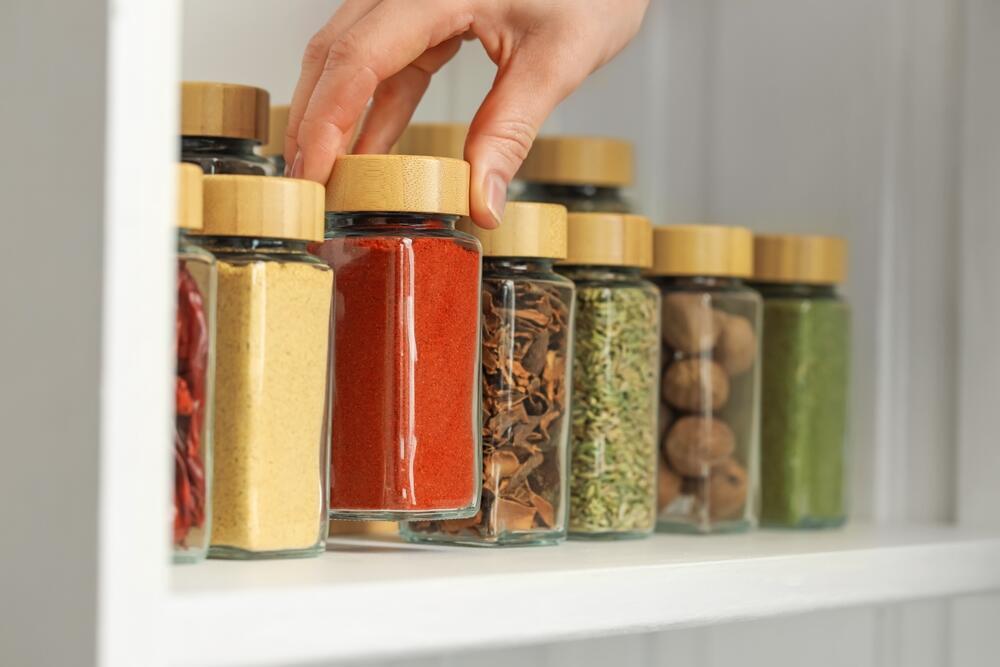
Spices. Daily use in food
(Photo: Shutterstock)
Practical winter tips
• Favor warm, cooked foods with warming spices over cold or raw foods
• Start the day with a hot ginger and cinnamon infusion
• Add spices gradually while paying attention to how the body responds
• Combine warming spices with healthy fats such as olive oil or tahini to improve absorption
Who benefits and who should be cautious?
Warming spices are especially suitable for people who experience cold, fatigue, slow digestion or a tendency to have cold hands and feet. However, people with signs of excess heat, such as frequent heartburn, inflammation, excessive sweating or irritability, may need more moderate quantities.
Incorporating warming spices into the daily diet can be a natural, flavorful and healthy way to support both body and mind. As with all aspects of nutrition, balance and attentiveness to the body’s response are key. A teaspoon of cinnamon in porridge, ginger in an infusion or a pinch of cumin in a stew can sometimes make a significant difference.
Warming and strengthening winter infusion
Ingredients for one cup:
• 2 to 3 slices of fresh ginger
• 1 cinnamon stick or 1/2 teaspoon ground cinnamon
• 2 to 3 cardamom pods, lightly crushed
• 2 cloves, optional for deeper warmth
• 1 cup boiling water
• 1 teaspoon natural honey or maple syrup, optional
• A small slice of lemon, optional
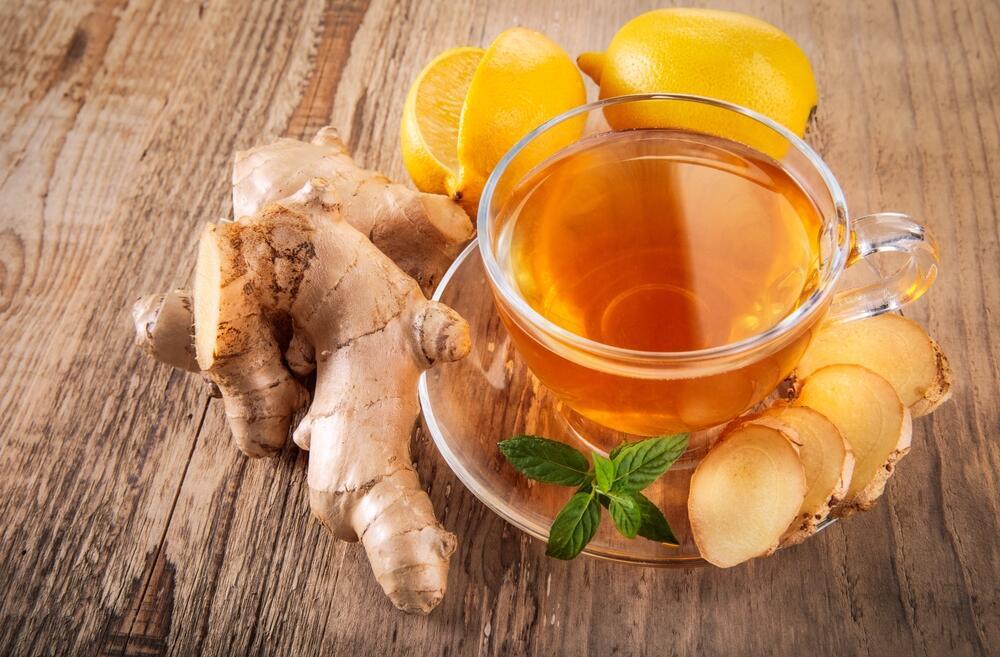
Tea infusion
(Photo: Shutterstock)
Preparation:
1. Place the ginger, cinnamon, cardamom and cloves in a cup or small pot.
2. Pour boiling water over the spices.
3. Cover and steep for 8 to 10 minutes, or up to 15 minutes for a stronger effect.
4. Strain, add honey and lemon if desired, and drink hot.
Benefits:
• Warms the body and promotes circulation
• Supports the immune system
• Aids digestion and reduces bloating
• Calms and creates a sense of comfort
Adjustments:
• For colds or sore throat, add a pinch of turmeric and black pepper
• For fatigue and weakness, add a small amount of grated nutmeg
• For heavy digestion, add more cumin or fennel
• Before sleep, reduce ginger and add more cardamom and cinnamon
Gentle warming infusion for all-day drinking
Ingredients for one liter:
• 4 to 5 thin slices of fresh ginger
• 1 cinnamon stick
• 4 cardamom pods, lightly crushed
• 1 teaspoon fennel or cumin, or a mix of both
• 1 liter water
• Honey, optional for light sweetness
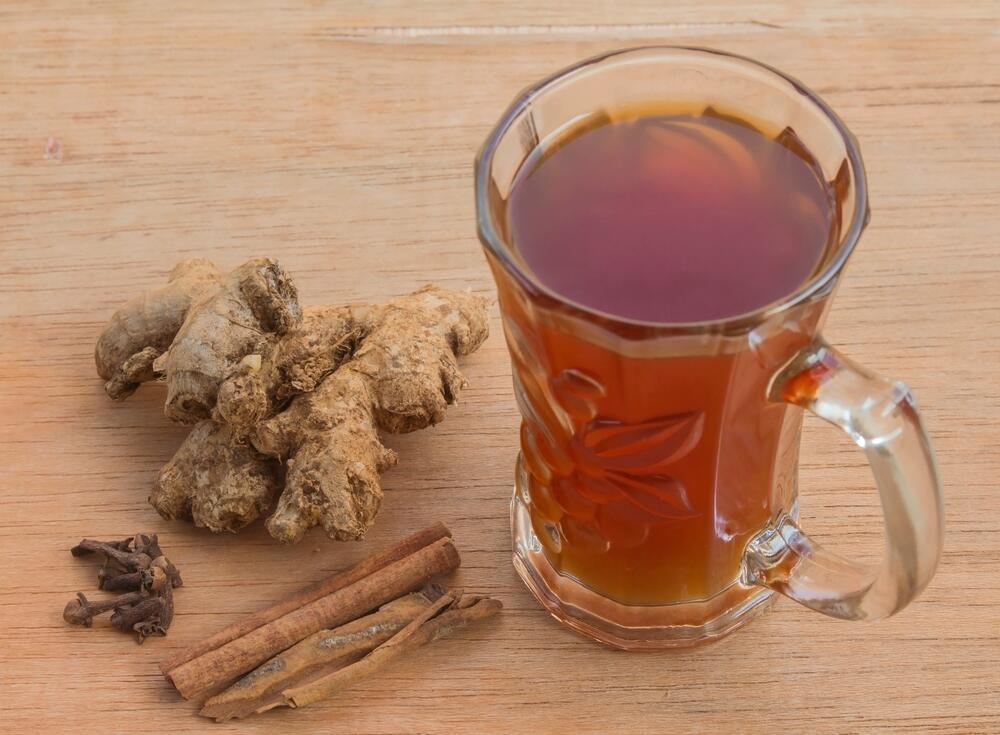
Drink throughout the day: ginger and cinnamon tea
(Photo: Shutterstock)
Preparation:
1. Place all spices in a pot.
2. Add cold water and bring to a gentle boil.
3. Lower heat and simmer for 10 to 15 minutes.
4. Turn off heat, strain and transfer to a thermal bottle.
5. Drink warm throughout the day in small sips.
Why is it suitable for extended drinking?
• Provides gradual warmth without overload
• Supports digestion throughout the day
• Prevents heaviness and chill
• Gentle on the nervous system and not overly stimulating
Important tips:
• For a tendency toward heartburn or internal heat, reduce ginger and add fennel
• For pronounced cold or fatigue, add one extra slice of ginger
• Prepare in the morning and drink the same day, do not store overnight
- The author is a clinical dietitian at Leumit Health Services.