

No onion
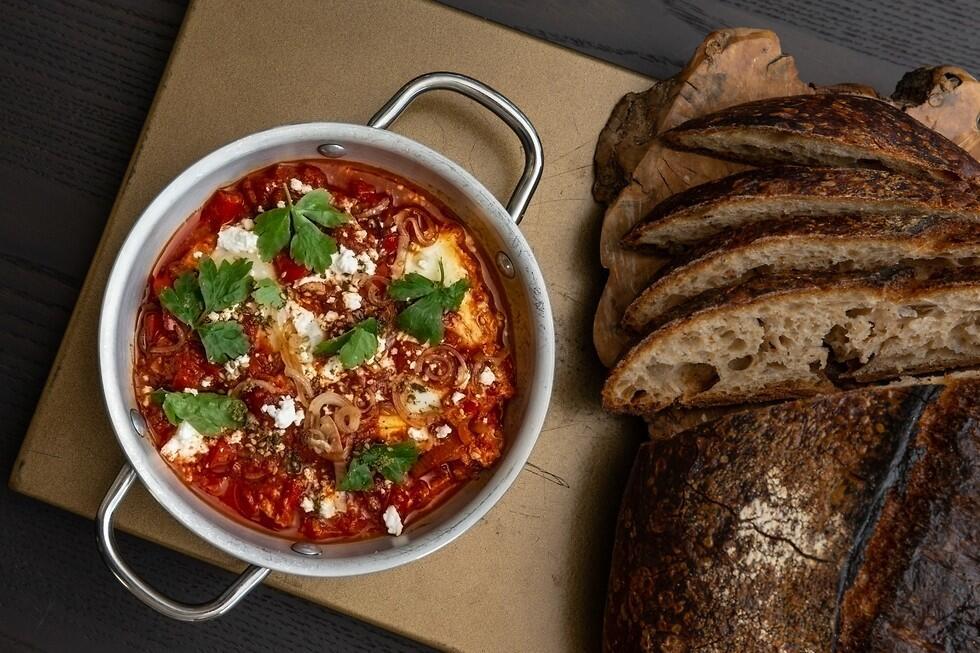
It’s true—our first instinct is often to start a pan with onions: peel, dice, sauté and then build the rest of the dish. But when it comes to shakshuka, think again. Surprisingly, onions have no place in this iconic tomato-and-egg dish. If you insist on adding them, no one’s calling the culinary police—but ask Dr. Shakshuka or any true expert, and they’ll tell you firmly: shakshuka doesn’t need onions.
Legend has it a cook at a high-end Tel Aviv restaurant once made shakshuka for the staff breakfast—with onions. The head chef was so horrified, he fired the cook on the spot.
Don’t skip the heat
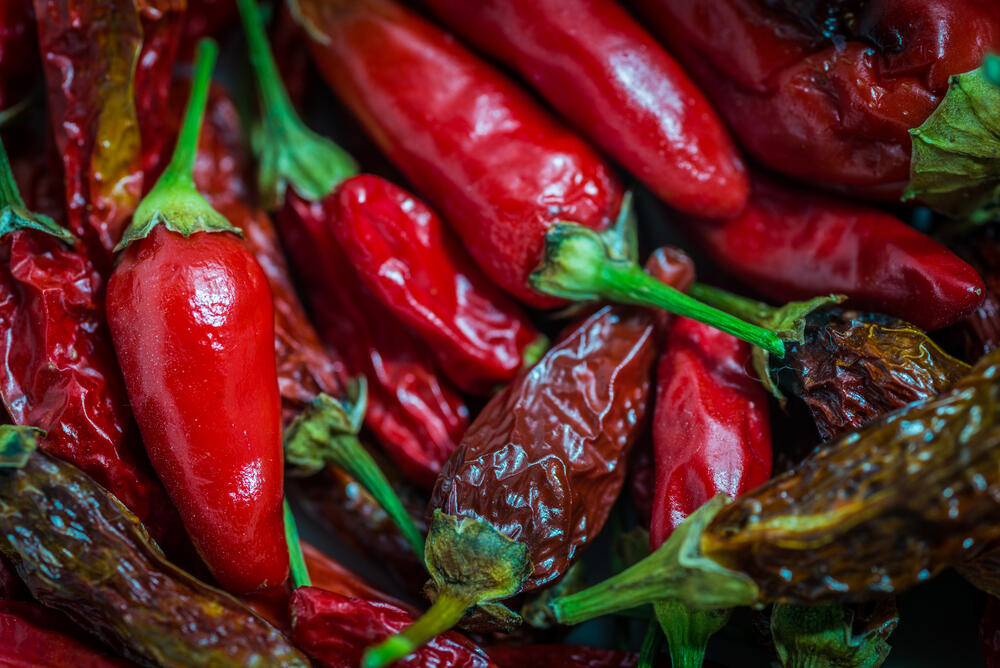
Shakshuka is meant to have a kick. It doesn’t need to scorch your mouth, but it should deliver at least a hint of heat. If you’re spice-averse, a mild addition is fine—but never leave it out entirely. At the very least, toss in half a chili pepper. When it’s time to serve, you can always plate the pepper with the portion belonging to the person who insists it’s never spicy enough.
(Photo: Shutterstock)
No water, please
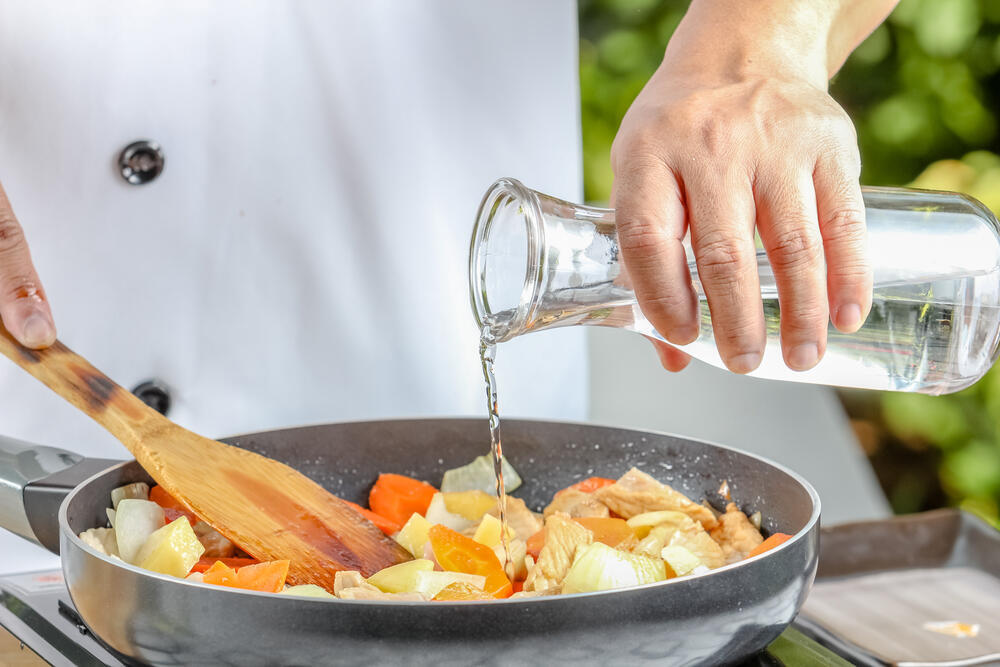
Water in shakshuka? Absolutely not. The entire idea is to reduce the tomato juices and thicken the sauce. Adding water only thins the texture and drags out the cooking time.
(Photo: Shutterstock)
Undercooked tomatoes are a dealbreaker
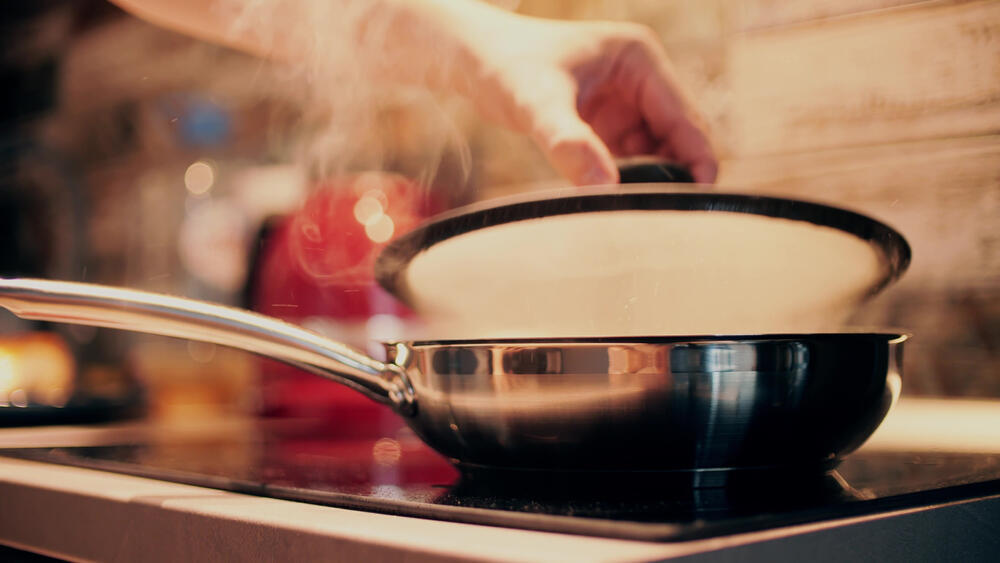
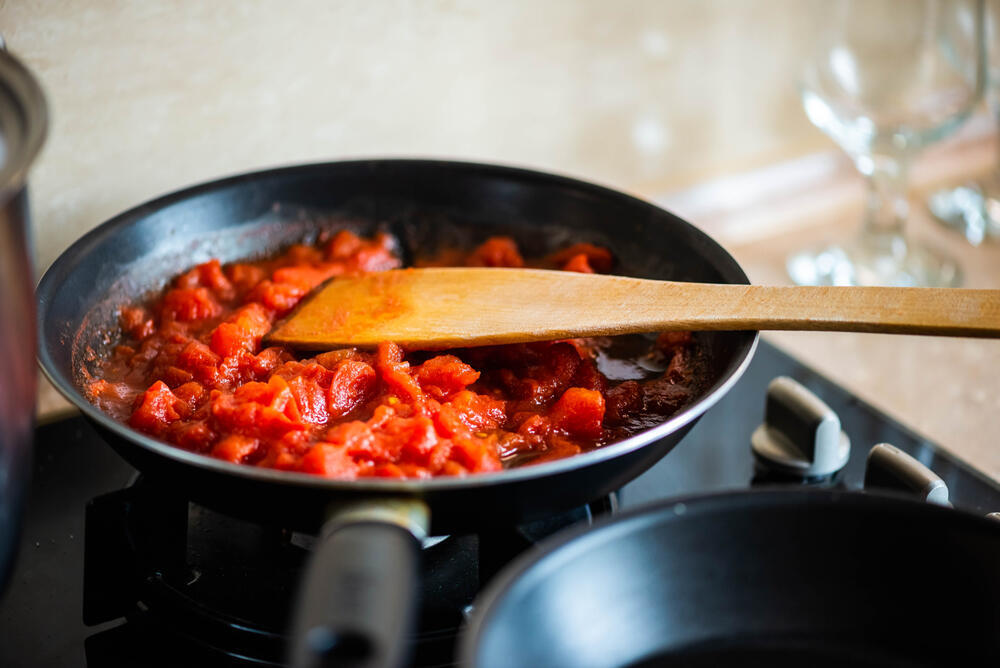
Peel them or don’t—but whatever you do, cook your tomatoes until they surrender completely. They need to break down and melt into the sauce. Rushed cooking won’t draw out the juices or soften them enough, and your final dish will suffer for it. Simmer the tomatoes over medium heat with a lid on for about 20 minutes—depending on the type and cut size—and you’ll have a perfect shakshuka base.
(Photo: Shutterstock)
Never cover the pan after the eggs go in
We know: the kids are hungry, you're hungry and everyone wants to eat—but patience is key. Once your tomatoes are cooked, the pan lid comes off—and stays off. Why? Because covering the pan after adding eggs traps steam. The result? A thin white film over the yolks, dull color and worst of all—overcooked yolks. That golden center you want to dip your bread into? Gone.

(Photo: Atta Awisat)
Watch the sauce—don’t burn it
Remember: reducing the sauce is important, but once the lid’s off and the heat goes up, you risk burning the bottom. Burnt sauce leaves behind a bitter, unmistakable taste that’s nearly impossible to fix. You can try masking it with vinegar or sugar, but it’ll always linger. The solution: keep enough liquid in the pan to prevent scorching as you cook the eggs.
(Photo: Shutterstock)
Garnish matters
Don’t forget: we eat with our eyes, too. A generous sprinkle of chopped parsley just before serving adds a pop of color and takes the presentation to another level. It’s a quick, simple touch that gives your dish a polished, professional look.

(Photo: Shutterstock)
Recipe: Shakshuka with beans, tomatoes and kashkaval cheese
A baked twist on a traditional stovetop favorite—with a hearty boost from beans and a cheesy finish. Don’t forget the slice of challah on the side.
Ingredients (serves 4):
- 2 onions, peeled and sliced
- 1 red bell pepper, seeded and sliced into strips
- 3 tbsp olive oil
- 1 garlic clove, peeled and sliced
- 230 g cooked beans
- 2 cups crushed tomatoes
- Salt and pepper to taste
- 1 hot pepper (optional)
- 4 eggs
- 150 g grated kashkaval cheese
- A few sprigs of sage, oregano or thyme
To serve:
- Toasted slices of challah
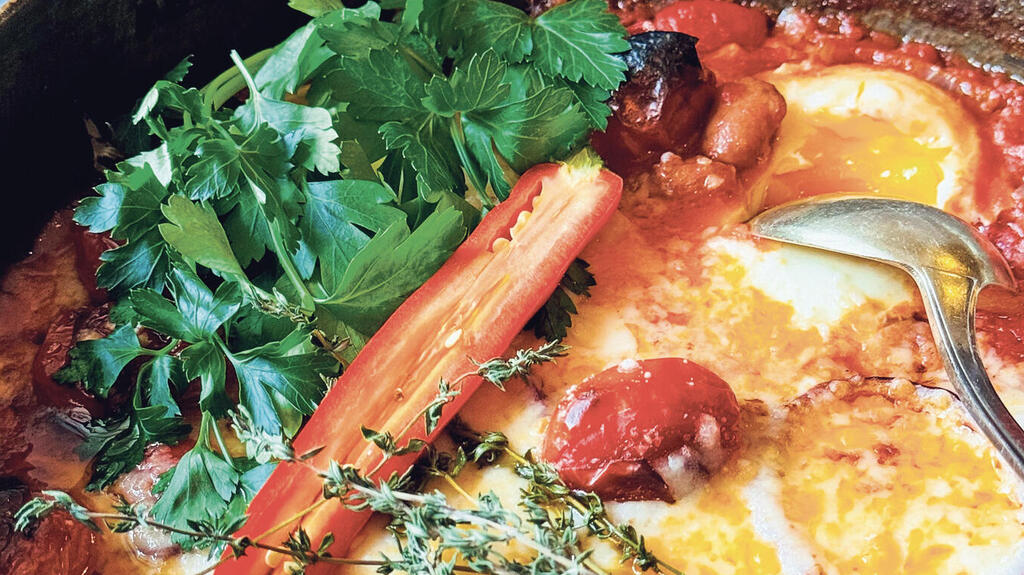
Shakshuka with beans, tomatoes and kashkaval cheese
(Photo: Ruthie Rousso)
Instructions:
- Preheat the oven to 180°C (top heat).
- In a deep, oven-safe skillet, heat the oil and cook the sliced onions until soft, about 10 minutes.
- Add the bell pepper and cook for 5 more minutes.
- Add the garlic, beans, tomatoes and optional hot pepper. Season generously with salt and pepper.
- Cover the skillet and cook for another 5 minutes. Stir well.
- Crack the eggs into the skillet one at a time, cover and cook for 3 minutes.
- Sprinkle the grated kashkaval over the top, add herbs and transfer the skillet to the oven for another 3 minutes, or until the cheese melts.
- Serve immediately with toasted challah.
Pro tip:
Legume-based dishes love deeply caramelized onions and diced carrots, which add natural sweetness without any white sugar. Finish with fresh herbs like sage or thyme and adjust consistency with water or broth depending on whether you want a stew or soup.