


Refrigerators have moved into the spotlight on social media. Influencers, celebrities and designers are increasingly opening the doors to the chilled box at the center of the kitchen, showing off perfectly arranged shelves, color-coded containers and minimalist displays.
Some of the trends focus on meticulous fridge organization, sometimes by color or food category. Others offer cleaning and maintenance tips. Another popular approach promotes the minimalist fridge as part of more intentional buying and smarter consumption.
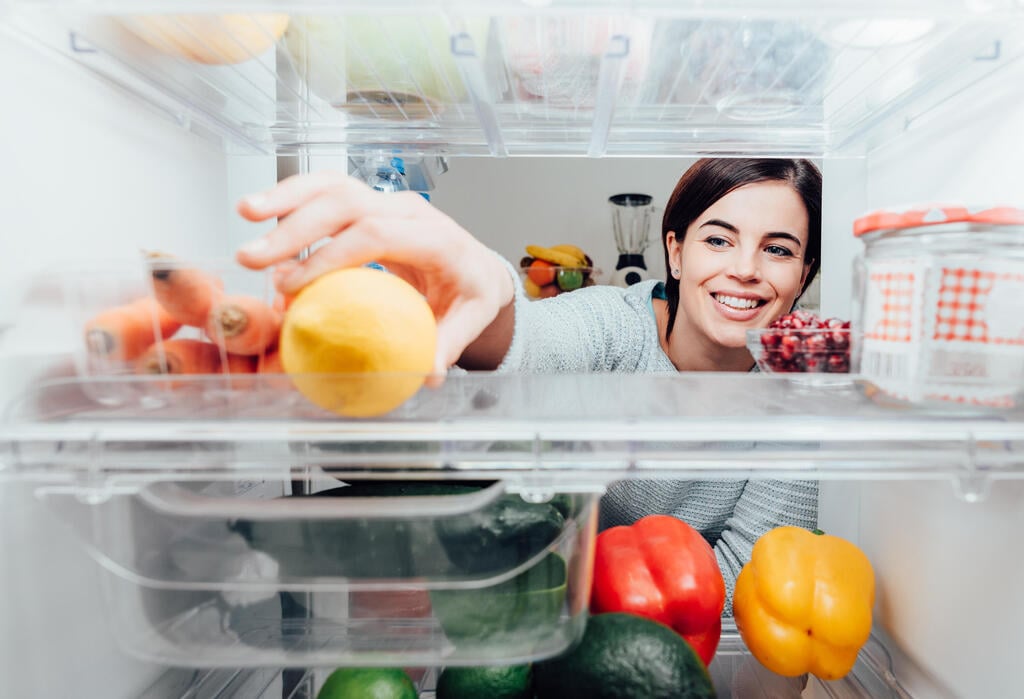
But beyond the aesthetic appeal, the refrigerator remains one of the most important appliances in the home. It is the beating heart of the kitchen, and in most Israeli households, it works nonstop. Yet many people take it for granted, and everyday habits can cause three main problems: food spoils faster, the electricity bill rises because the appliance is overworked, and the refrigerator wears out faster.
Oded Ben Yakar, product manager at H.Y. Group, says a few simple principles and better habits can make a major difference.
Keep the temperature in the right range
Many people do not realize that the refrigerator’s temperature setting directly affects food quality and preservation. If the temperature is too low, sensitive products such as lettuce and tomatoes may freeze. If it is too high, spoilage accelerates.
The ideal range for keeping food fresh is 1 to 4 degrees Celsius (34 to 39 F), which slows bacterial growth and helps groceries last longer. The freezer should be set to minus 18 degrees Celsius (0 F).
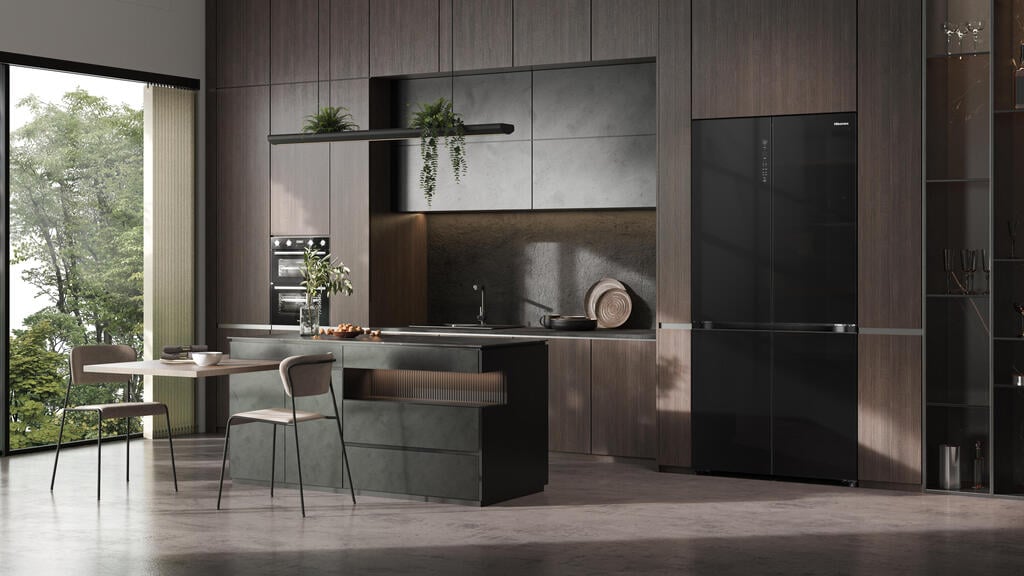
Don’t shorten your fridge’s life, or your food’s. Hisense refrigerator
(Photo: Courtesy of H.Y. Group)
Store food according to fridge zones
A refrigerator is divided into areas with different conditions, including changing temperature and humidity levels. The problem is that most people place items randomly, without considering that the layout is designed for more than convenience or appearance.
The area close to the top of the refrigerator is relatively warm, while the door is exposed to temperature changes every time it is opened.
Where to store?
Cheese, milk and eggs should be stored on the middle and lower shelves, where the temperature is stable. Fresh produce such as fruits and vegetables belongs in the lower drawer designed for that purpose. Animal products, including meat and poultry, should be stored on the lowest shelf, the coldest area. Closed bottles and sauces can be kept on the door shelves.
On TikTok and Instagram, hashtags such as #FridgeOrdering and #FridgeOrganization draw millions of views, with videos showing functional and visually polished methods for arranging the fridge. One popular method, known as “The Boutique Vision,” encourages users to remove original plastic and cardboard packaging, including yogurt containers, cheese packages and egg cartons, and move food into clear BPA-free acrylic containers or matching glass jars.
The design effect is a cleaner visual look, a boutique deli feel, better visibility, easier access and often more efficient use of space, since uniform containers can be stacked.
Another social media favorite is the Lazy Susan, the round rotating tray once mainly associated with spice cabinets or serving tables. In fridge organization videos, it is often placed on a central shelf and used for small jars such as sauces, spreads and jams. Instead of disappearing into the dark back of the shelf and being forgotten until they spoil, the jars can be brought forward with a simple spin.
Still, as with every trend, appearance should come second. Proper food storage should come first.
Do not overload the refrigerator
When the refrigerator is too full, the cooling system has to work harder and consumes more energy. The main problem is that cold air cannot move freely between the products, leading to uneven cooling. The key is to leave about one-fifth of the refrigerator’s volume empty, so air can circulate easily. Arrange products in a way that allows the cooling mechanism to work efficiently, and avoid cramming the shelves.
Contrary to popular belief, a packed fridge is not necessarily a sign of abundance. It may be a sign that the food is not being handled properly.
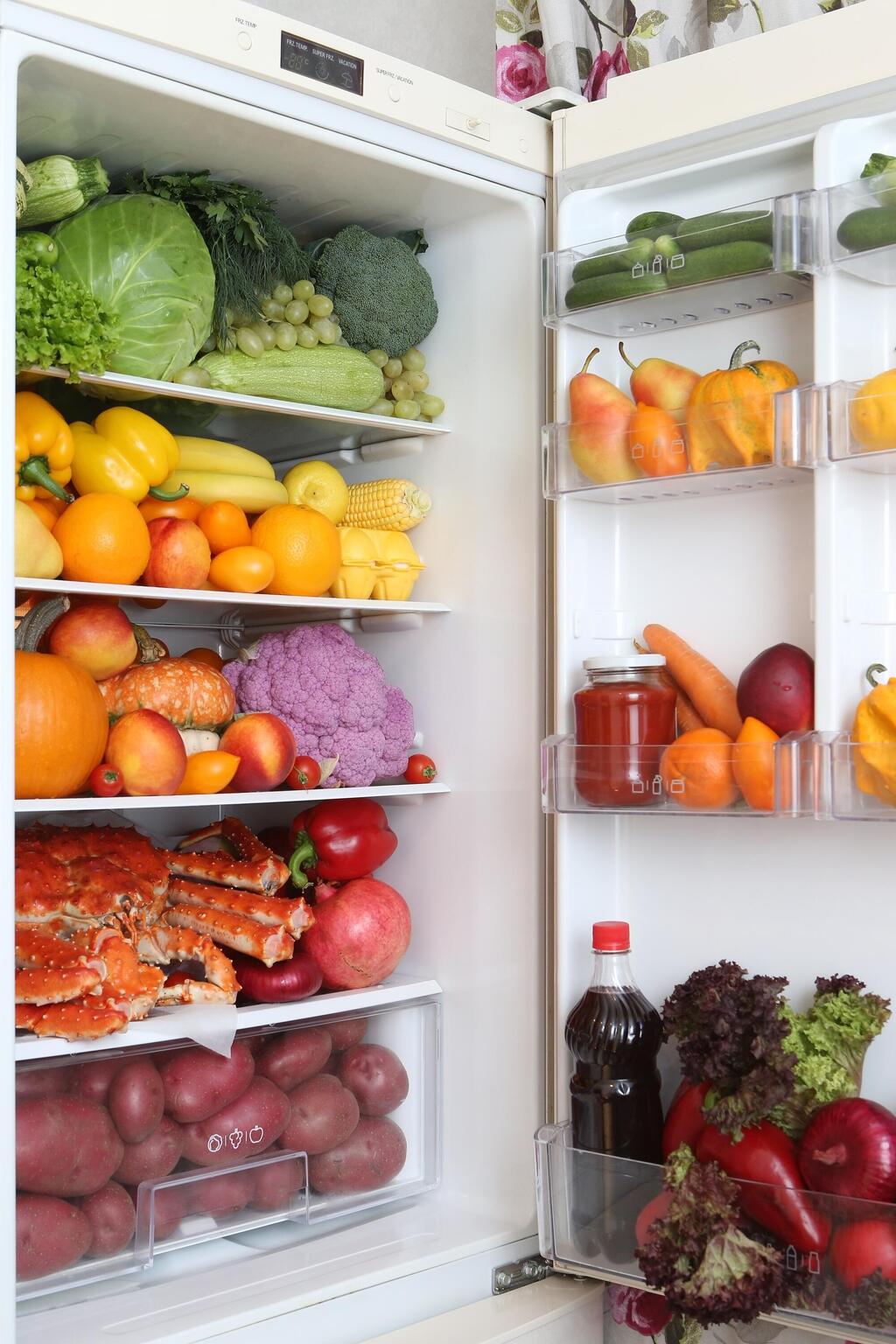
Leave about one-fifth empty
(Photo: to_look_further, shutterstock)
Open the door less often
Every time the refrigerator door opens, warm air enters and cold air escapes. The appliance must then work harder to return to the desired temperature. Standing in front of an open fridge for too long, or opening it repeatedly, wastes a noticeable amount of electricity and causes unnecessary temperature fluctuations.
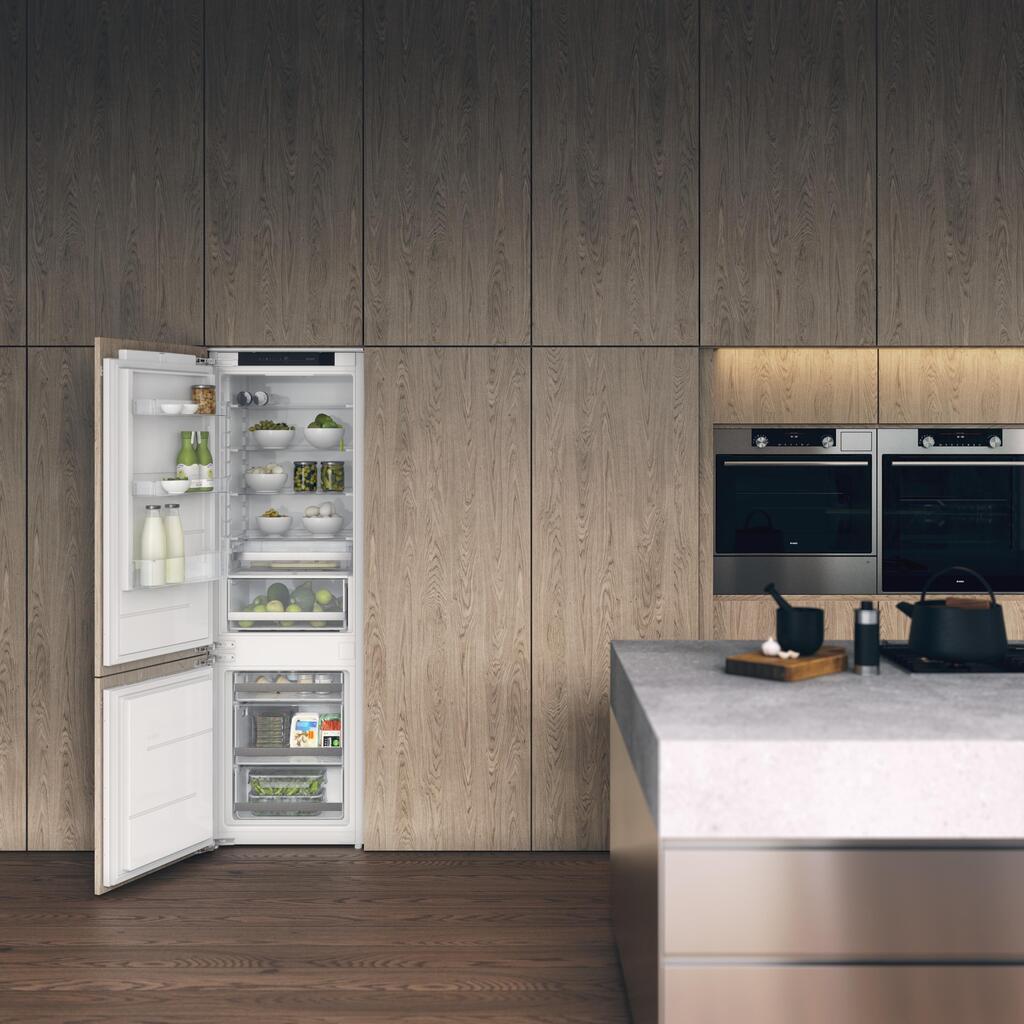
Don’t open the door too often. ASKO refrigerator
(Photo: Courtesy of H.Y. Group)
It is best to decide what you need before opening the door. A smart organization with a fixed place for every category makes it easier to find items quickly and close the door as soon as possible.
If the door does not close properly, check the rubber seal and replace it if it is worn.
Clean regularly and follow FIFO
A neglected refrigerator can become a source of contamination and bad odors. Food scraps, spilled liquids and expired products create unhygienic conditions that can affect the quality and taste of the food. The problem often begins with liquids that dry and stick to shelves and drawers.
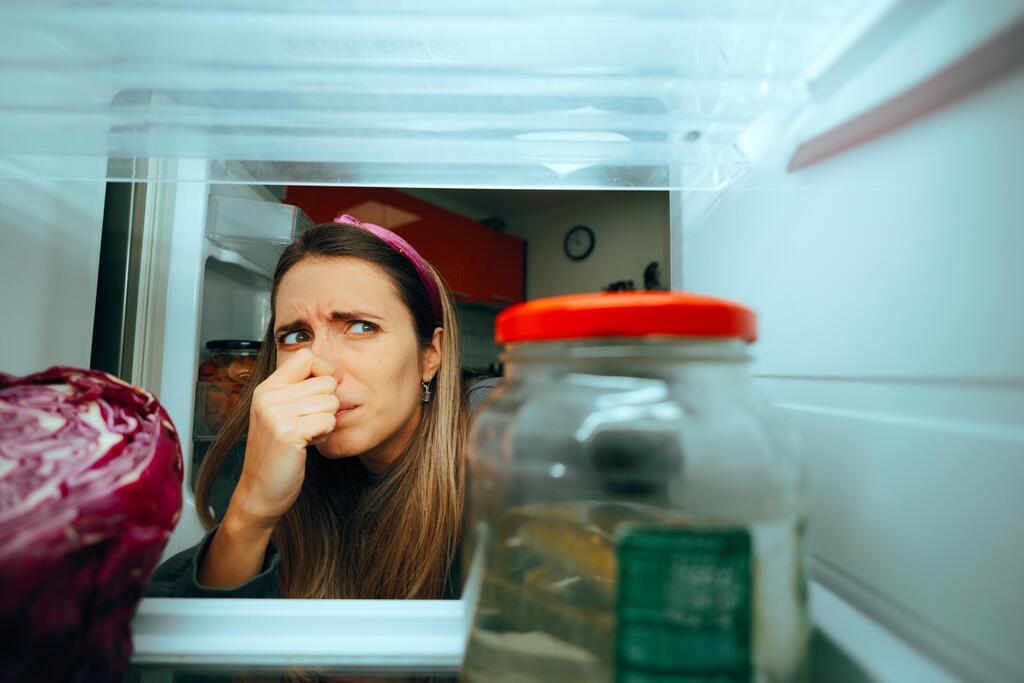
A neglected refrigerator can become a source of contamination and bad odors, and affect performance
(Photo: Nicoleta Ionescu shutterstock)
The inside of the refrigerator should be cleaned frequently, and expired products should be removed regularly.
Track expiration dates and use the FIFO method, First In, First Out. This makes it easier to see what is inside, prevents duplicate purchases and reduces the chance that products bought earlier will be forgotten at the back.
It is also recommended to clean dust from the back of the refrigerator every few weeks.
Asi Arbiv, general manager at Klinton Trade Group, adds several maintenance tips:
Ventilation, especially for built-in refrigerators.
Make sure the motor can breathe. A “choked” motor is a major cause of malfunctions. There should be proper ventilation openings in the lower plinth and at the top of the refrigerator cabinet, allowing heat to disperse efficiently.
Check and clean the door seals
The refrigerator’s magnetic rubber seals should be cleaned and checked once a month with a damp cloth. A dry or dirty seal allows cold air to escape, forcing the compressor to work continuously and shortening its life.
Protect the fridge during power outages
Installing a voltage protector with a delay mechanism is important for keeping the refrigerator operating properly over time. The mechanism protects the compressor and electronic control boards from sudden changes in electrical current and allows the system to restart gradually after a power outage.
Choose warning alarms
It is worth choosing refrigerators with an acoustic alarm that warns of a malfunction or a door left open for too long. This helps prevent wasted energy and the spoilage of expensive food.
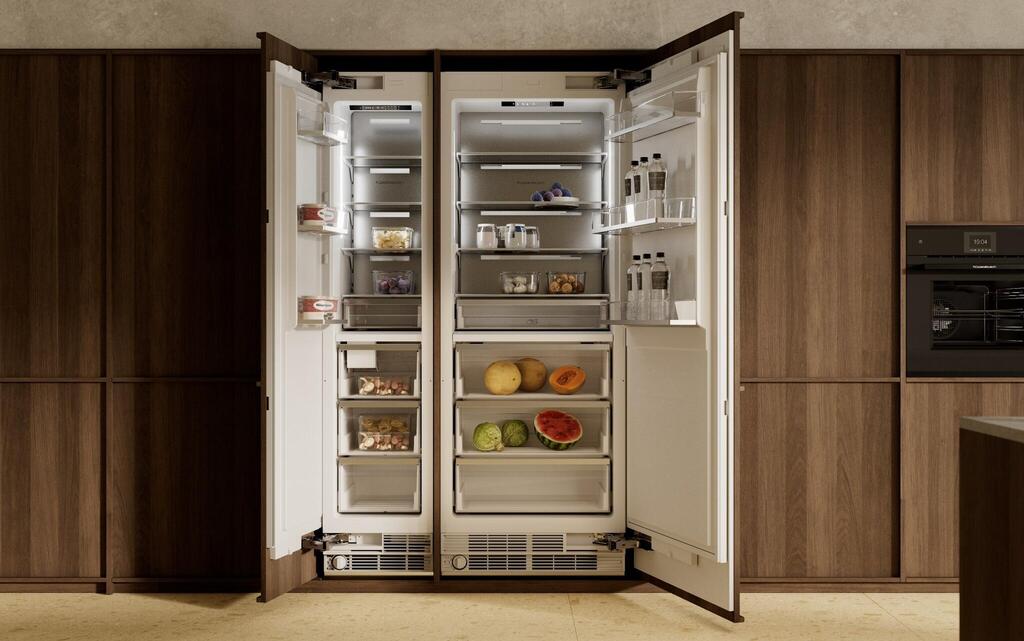
Choose a refrigerator with shelves and drawers that can be adjusted as needed. KUPPERSBUSCH refrigerator
(Photo: PR)
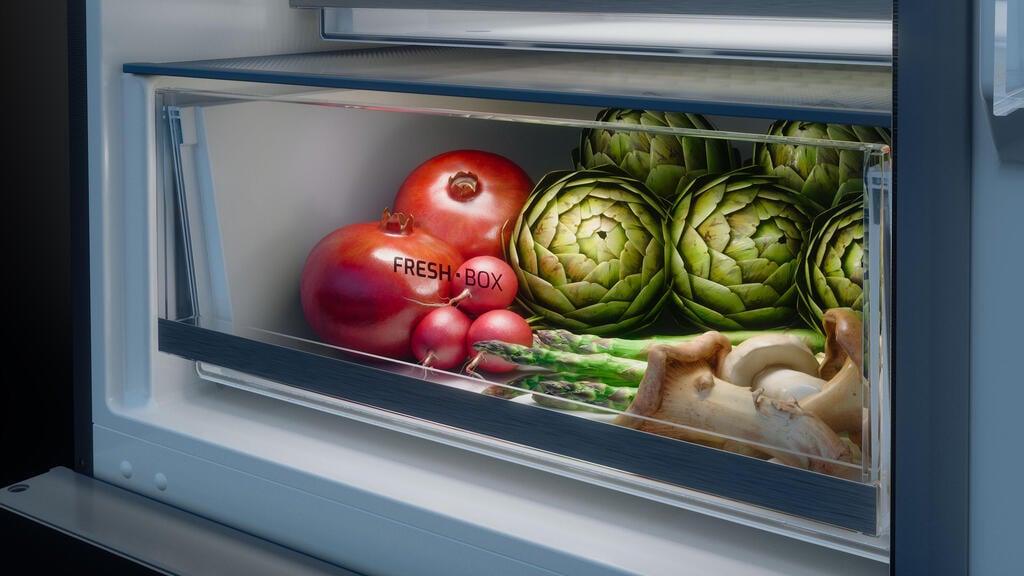
FreshBox technology extends the life of fruits and vegetables in the refrigerator. Teka refrigerator
(Photo: PR)
Look for freshness-preserving technologies
When buying a refrigerator, Arbiv recommends choosing one with No Frost technology. It prevents ice buildup, ensures even cooling and keeps food fresh without manual defrosting.
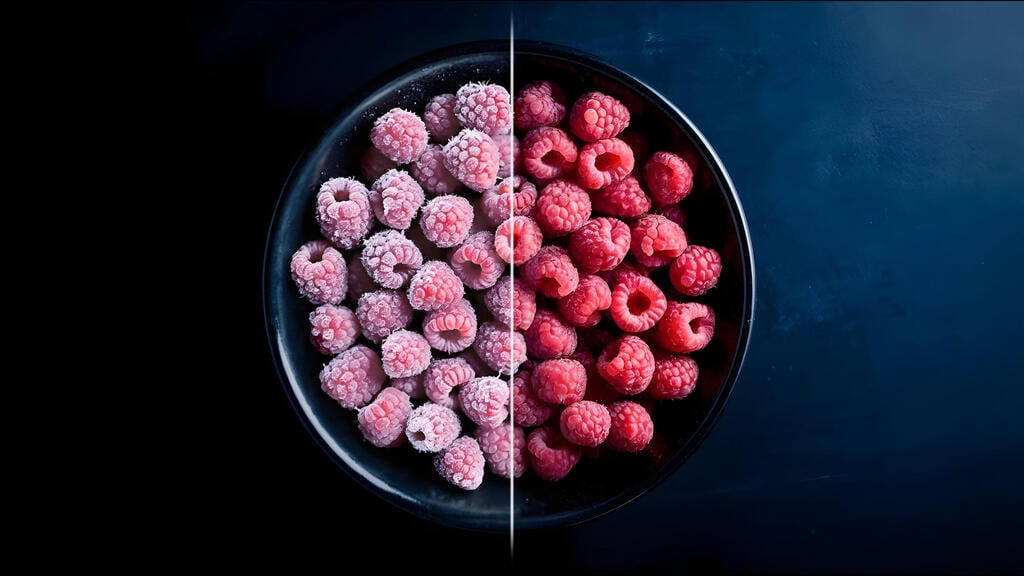
Does your refrigerator have NoFrost technology?
(Photo: Teka studio)
He also recommends separate cooling circuits for the freezer and refrigerator, which help prevent unpleasant odors from moving between compartments and maintain optimal humidity.
Some refrigerators include IonClean technology, designed to neutralize bacteria that cause food to rot faster. The system produces negative ions that neutralize bacteria, mold spores and odor particles in the air inside the refrigerator. The result is cleaner, fresher air, food that lasts longer and fewer mixed odors.
Dedicated drawers equipped with blue-light technology can also help preserve produce. The blue light mimics the wavelength of sunlight, allowing fruits and vegetables to continue a form of photosynthesis even inside the closed refrigerator. This helps preserve nutritional value for longer and keeps vegetables crisper and fresher than in a standard refrigerator.
Arbiv also suggests setting the refrigerator and freezer to Eco mode, or vacation mode when away from home, to reduce the appliance’s workload.
Keep storage flexible
Modular shelves are useful because they allow the inside of the refrigerator to be rearranged when storing large containers, without blocking air-flow openings.
From a design perspective, Arbiv says the current trend is toward fully integrated refrigerators, meaning the fridge and wine fridge, if one is installed, are aligned with the kitchen cabinets and covered in the same finish.
For those who want a clean, handle-free design, there are Push2Open systems that open with a light touch. “It suits clean kitchen designs without handles and makes use more convenient while working in the kitchen,” he says.
Arbiv also recommends adding a separate compact wine refrigerator, about the size of a built-in oven, and installing it at eye level within the kitchen cabinets as part of the appliance wall.

Doesn’t take up counter or floor space. A Kuppersbusch wine refrigerator integrated beside the oven in the kitchen
(Photo: Kuppersbusch sudio)
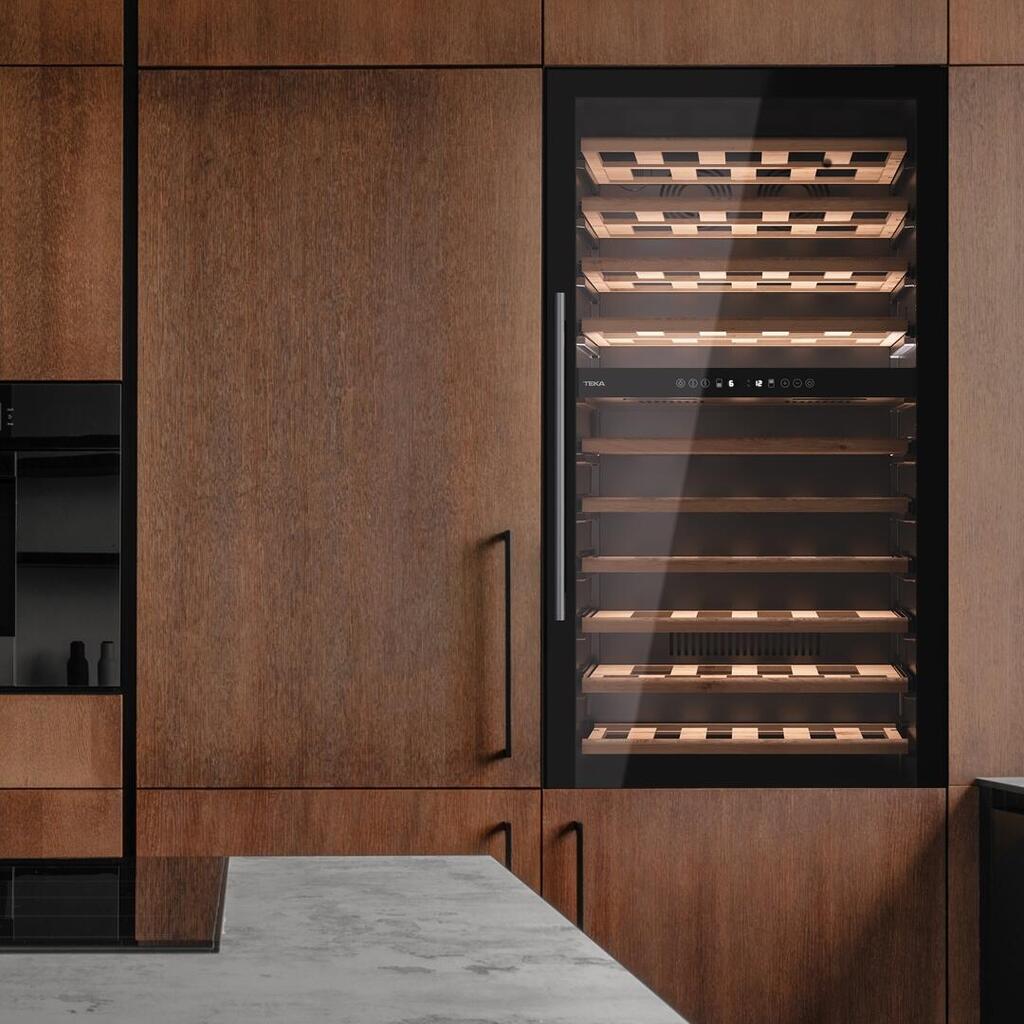
A Teka wine refrigerator can also be integrated into the cabinetry, next to the main refrigerator
(Photo: Teka Studio)
“This choice provides dedicated cooling for wine bottles and saves a lot of space in the household refrigerator,” he says.