

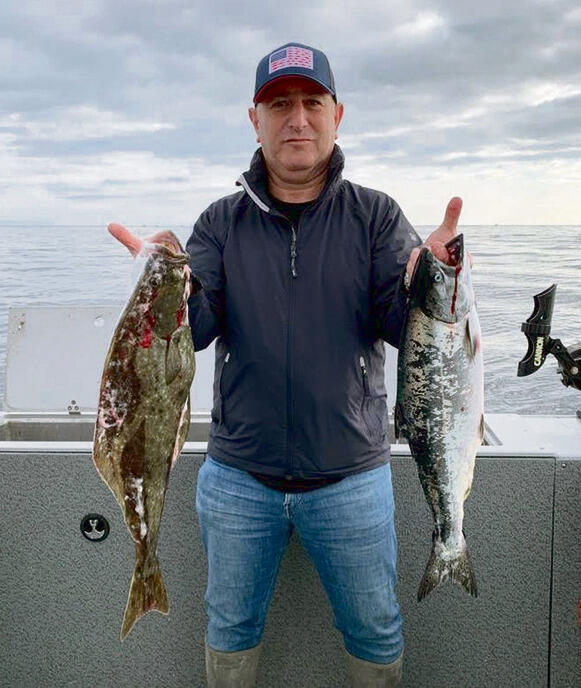
In mid-August, when the sun still beats down strongly in Israel, Guy Amran packs coats, sweaters, warm gear, fishing rods, and tackle, and sets out for the 25th time on a journey that has become an integral part of his life. Two weeks a year he dedicates to Alaska, to the frozen land, to the ocean, to the lowly melting glaciers, and to one fish that never stops fascinating him – wild salmon.
Amran is an amateur fisherman and the owner of "Ocean Star," a gourmet delicatessen specializing in seafood and caviar. For three decades, he has lived and breathed sea, fish, imports, flavors, and he knows salmon intimately. Something is amazing about their life cycle," he says. "They're born in a river, go out to sea, and then after two or three years, they return to the same river where they were spawned, to spawn themselves. Then they die. That's their final mission."
A journey of life – and death
Every year, when the salmon begin returning to the rivers, nature's most dramatic show also begins. "When they go up the river, they lose all their body fat reserves, their colors change, and their bodies become deformed from the effort. They swim against insane currents, fight waterfalls. This effort simply drains them of energy."
At exactly this moment, when they are exhausted and powerless, the bears are waiting for them. "They know exactly where the salmon weakens. It's easy prey for them, and they feast there. We fish them before they enter the river – when they're at their peak, still in the ocean. It's called Ocean Run."
And what do you do when a bear gets too close? "Every fisherman carries a kit – pepper spray and a horn that scares bears, but if he really wants the fish, you leave it to him. You don't take risks. The bear always wins."
Five species, five flavors
Alaska is the size of Europe. Each region is different, each river is different, and each salmon species arrives at a different time. Amran follows them closely, moves between factories, takes domestic flights of two to three hours within this enormous state, and speaks enthusiastically about the differences.
King Salmon – the largest, rarest, and most luxurious. The Japanese go crazy for it, it's rich in flavor, and there's little of it.
Sockeye – the most beautiful salmon. Its color is bright orange thanks to a natural diet of crabs and algae. Excellent raw, grilled, or cooked.
Coho – a fish with silver skin and a taste reminiscent of Norwegian salmon. Especially suitable for smoking or steaks.
Chum – less meaty, simpler, but with excellent caviar. Most of it goes to canning.
Pink – the smallest and most common. Its flesh is of over quality, but its caviar eggs are the most sought-after and best.
"Since the beginning of the last century, they've been producing canned salmon in Alaska. In Israel, it caught on less, but in the U.S., it was part of the army menu, because of the long shelf life."
Salmon for Israelis
"Israelis are in love with salmon," Amran states. "It's a fish without a fishy taste. It doesn't have strong oiliness, it has a beautiful color, different texture. It's closer to chicken than sea fish. Israel is second in the world in salmon consumption per capita. It's crazy for such a small country."
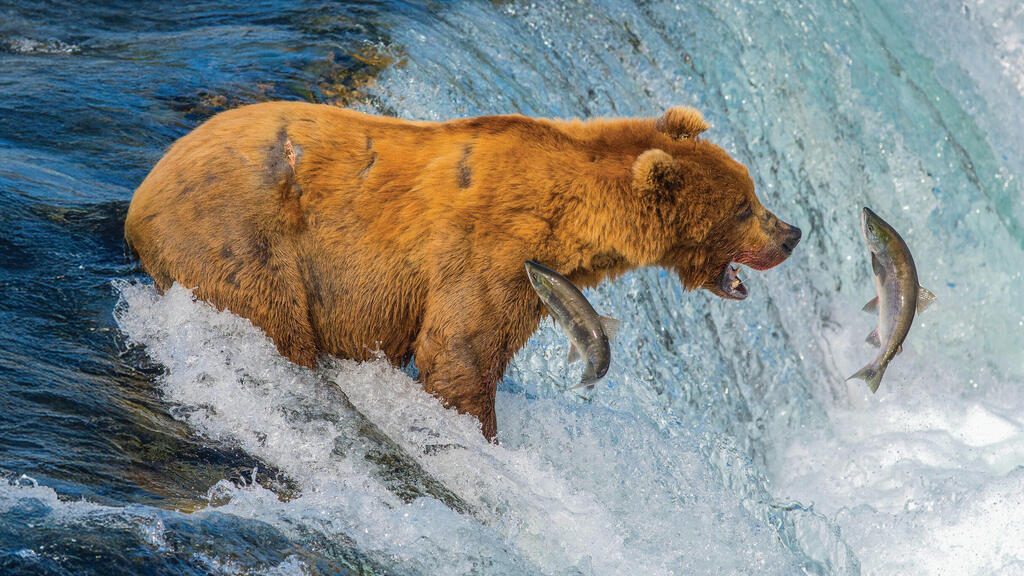
(Photo: Tony Campbell)
Most salmon that arrives in Israel is Norwegian - fish that grow on farms receive engineered feed, antibiotics, and medications. "It's healthy, but very industrialized. Wild salmon, on the other hand, live in nature, eat naturally, and swim freely in the clearest waters in the world. The northern ocean region, the Arctic. There's almost no industry in Alaska, and this is reflected in the taste–rich, concentrated, completely different."
The supervision there is also different: every fisherman, even tourists, must have a license. Every boat receives a quota, and if there's an excess, fishing is stopped. "There's an entire organization that manages this, Alaska Seafood. They publish reports, track species, and stop fishing when necessary. They also require all caviar producers to return half the eggs to nature - this is a mechanism that protects resources."
Caviar: the ‘gold’ of the sea
One of the main reasons for Amran's journey to Alaska is caviar. "There's red caviar, which is salmon eggs, and there's black caviar that comes from sturgeon."
The red is graded by size, color, and amount of liquid, which is full of Omega-3. It's an expensive product because the season is short, the quantity is limited, and production is complex.
"The black, on the other hand, comes from a fish that lives up to 150 years. They used to fish for it in the Caspian Sea, but today it's a protected fish. Everything moved to farms. It takes ten years to grow sturgeon, and it produces delicate, dry, rich caviar. A completely different taste from the red."
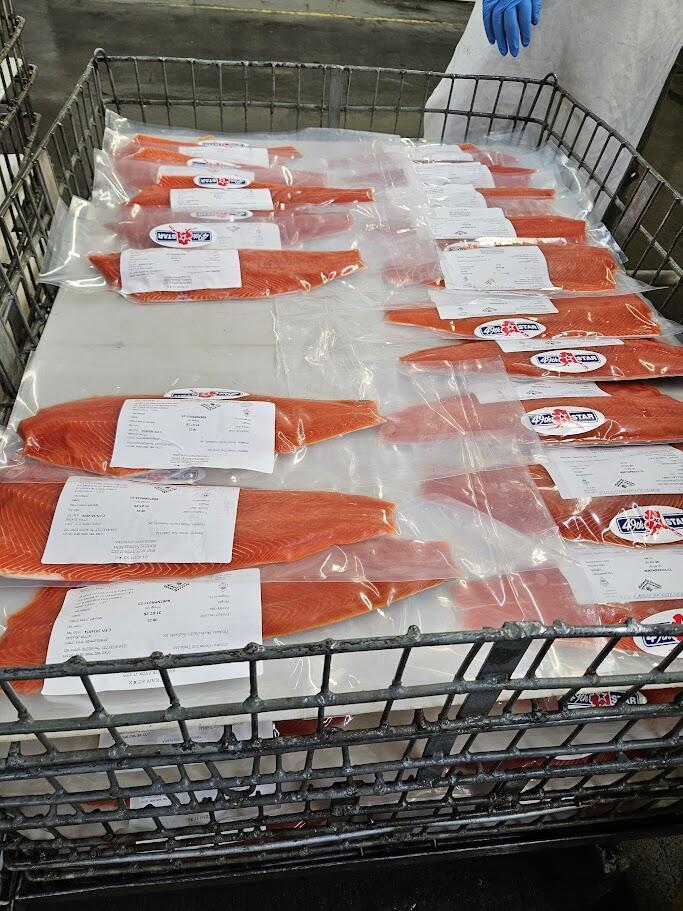
(Photo: Hadas Amran)
Amran also flies to Alaska to taste, grade, and buy caviar for his clients in Europe. "It's like wine - there are grades, and there are huge differences between eggs."
Rafting in frozen waters
Between fishing and tastings, Amran also manages to enjoy himself. Rafting in frozen waters, rivers between glaciers, close encounters with bears, sometimes with mothers and cubs. "Alaska is changing. You feel the warming. I no longer carry as many warm clothes as before; sometimes I walk around there in a T-shirt. The glaciers are smaller, and fish are becoming less and less available. There are years when it's very difficult to get them. Climate change affects."
Still, Alaska blooms in summer. Temperatures are comfortable, tourism is at its peak, and there's light until ten at night. Fishermen, locals too, cast lines before and after work. Everyone returns home with a carton full of catch. "There are companies there that clean the fish, pack them in ice, and you just load them onto the flight. At the airport there everyone has boxes, not suitcases."
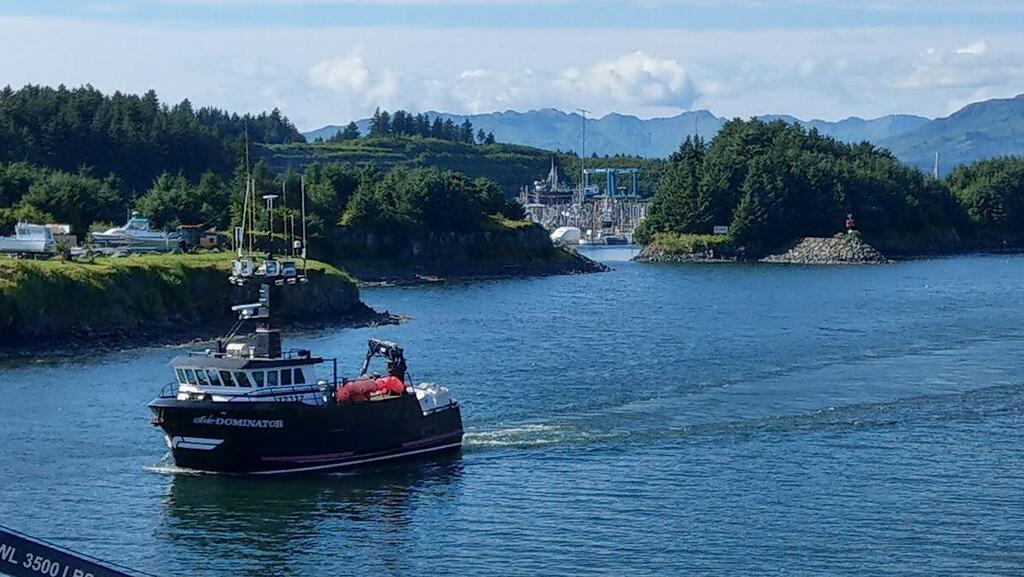
Alaska
(Photo: Hadas Amran)
When he tells about his journeys to Alaska, his friends are envious. "Every year, someone else tells me, sign me up for next year. But then they see the price and the hours and disappear. No one really comes. I try to explain that even after so many years, it's still a crazy experience. When you stand on the riverbank, you see the salmon leaping again and again, insisting on continuing forward despite the current. Sometimes they fall, sometimes they manage to cross, but none of them gives up. This is perhaps a reminder that we humans are also a bit like wild salmon – born in one place, going out on distant journeys, fighting currents, trying to reach higher to a safer place.
And like salmon, we too burn energy on stubborn effort, we too get tired along the way, but continue swimming forward up the difficult river. And Alaska, with the glaciers, bears, and frozen waters, is the strongest reminder that life is a journey. A difficult journey, sometimes cruel, but also beautiful, exciting, and full of flavor."