

Not measuring the exact amount of water
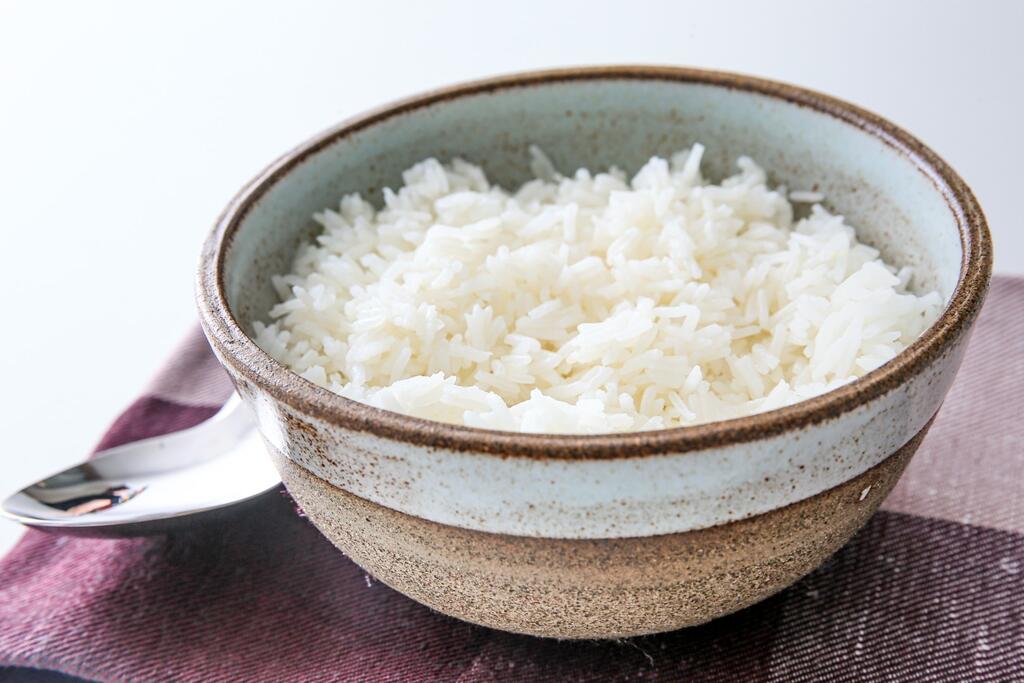
The amount of water in the pot is critical to getting rice right. If you add too much water, your rice will turn to porridge, and if you add too little, it will stay undercooked and hard. So the big question: how much water do you put in rice? The answer depends on whom you ask and on the type of rice you want to cook. The common formula for most varieties is one and a half cups of water for every cup of rice.
Opening the pot while cooking
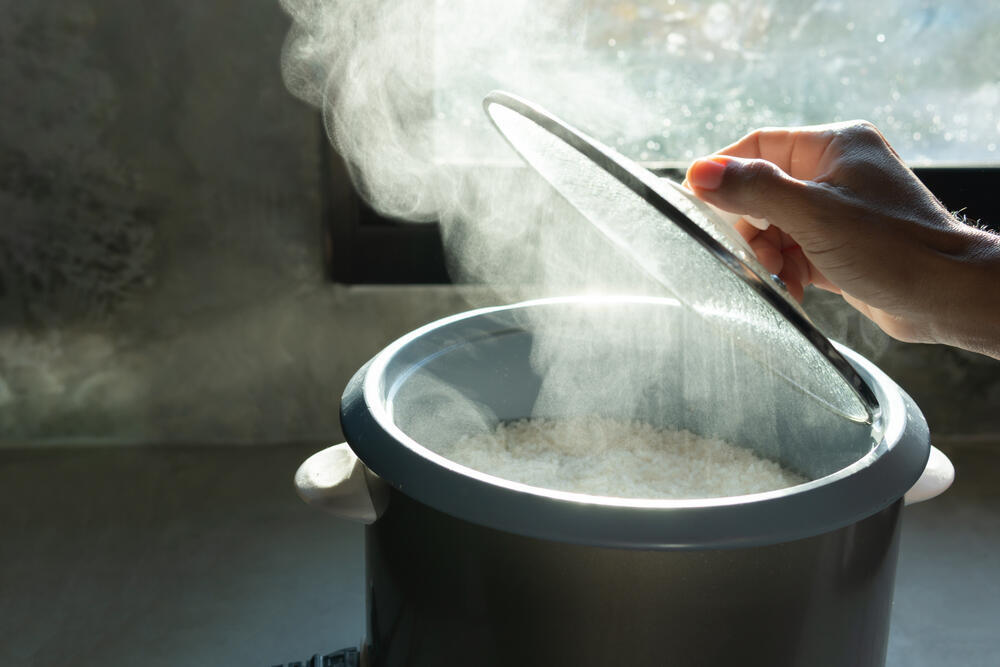
The whole idea is that the water and steam cook the rice, so if you open the pot in the middle of cooking, you let the steam escape and compromise the process. Just be patient and trust that everything will work out. Soon enough you can peek inside as much as you like.
(Photo: Shutterstock)
Not stirring gently
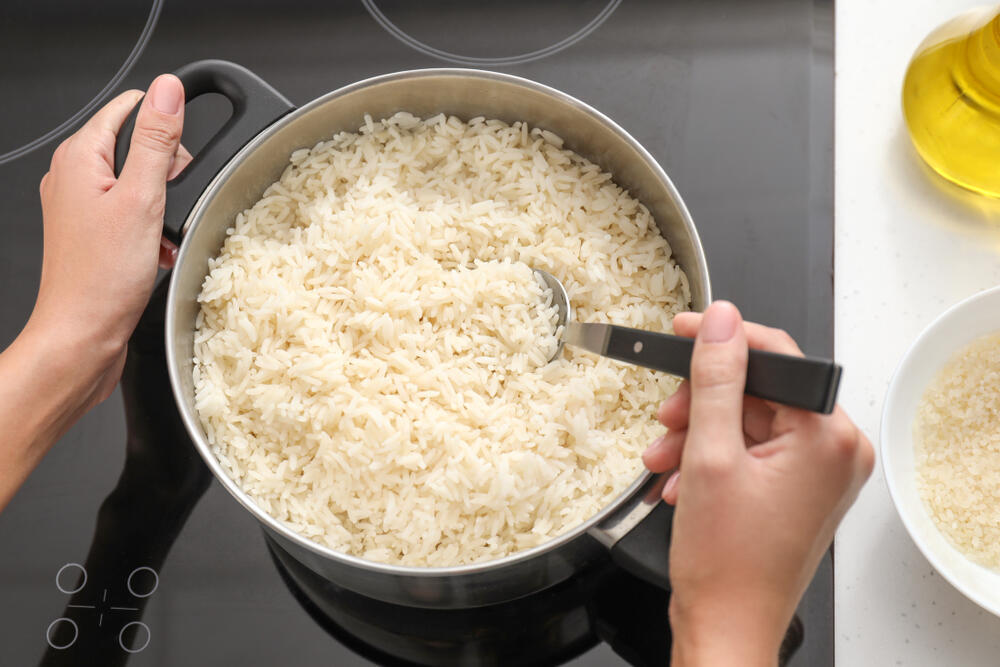
Home cooks say rice should always be stirred with a wooden spoon, and some insist on using only a fork. But chef Rafi Cohen spells out the proper way to stir rice and says the most important rule is not to stir it immediately at the end of cooking. Always let the rice rest for 10 to 15 minutes in the pot with the lid on, and only then stir. The second important rule, according to the chef, is to stir gently and carefully, folding from the sides toward the center of the pot.
(Photo: Shutterstock)
Not adding oil to the pot
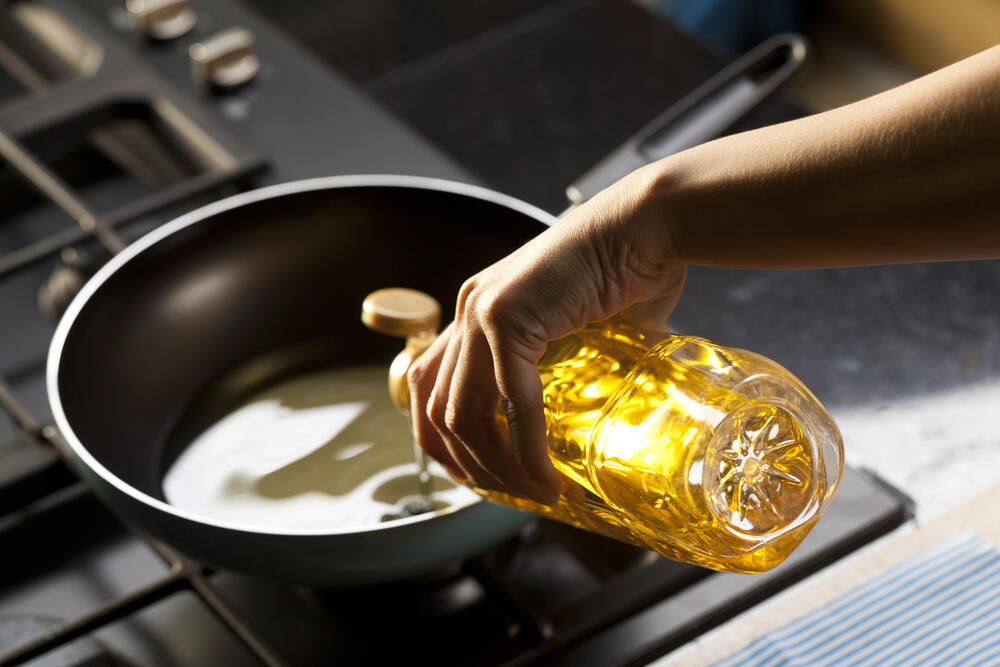
Want fluffy grains that stay separate? Add oil. As tempting as it is to skip this step, it is not worth cutting corners. The oil coats the grains and keeps them from sticking to each other. In addition, the light “toasting” the rice gets in the pot brings out its flavors and aromas. So how much oil? One tablespoon for every cup of rice.
(Photo: Shutterstock)
Forgetting to add salt
You cannot add salt to rice after it is cooked, which means you cannot forget to season it. How much salt should you use? As much as you like, but the best method is to taste the water and judge the level of saltiness. Our advice: do not be stingy.

(Photo: Shutterstock)
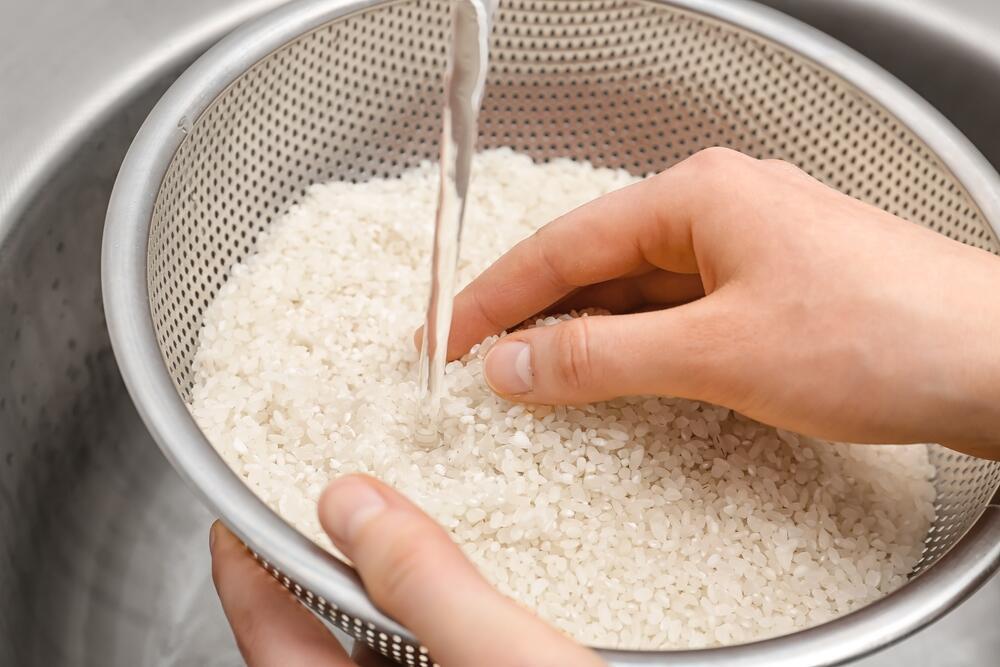
Not rinsing before cooking
When the husk is polished off during processing, “dust” from the husk remains on the grains, so it is recommended to rinse them briefly under the tap. Here too, Rafi Cohen makes an important point: if you plan to sauté the rice lightly before cooking, you must dry it first, otherwise it will stick to the pot and break.
(Photo: Shutterstock)
Not thinking about rice creatively
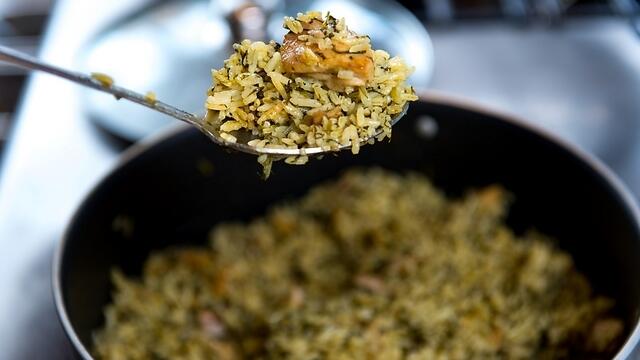
Rice is not just a cheap, convenient side to fill out a meal. It can be a whole world of its own, so it is worth opening your mind to new ideas. Want examples? There are plenty: use stock (chicken or vegetable) instead of water; add a quarter cup of coconut milk at the end of cooking and pair it with an Asian-style dish; sauté some vegetables and diced chicken breast and spoon them on top; or try the quickest upgrade of all—at the end of cooking, add one tablespoon of soy sauce for every cup of cooked rice and you will have a side dish from another world.
(Photo: Yaron Brener)
Not Realizing It Is One of the Easiest Dishes to Repurpose
Cooked too much rice? No problem, it does not need to go to waste. You can turn yesterday’s leftovers into a full meal—from patties or arancini to Asian-style fried rice with vegetables and sauces. And rest assured, no one will guess it is recycled. This is what we call repurposing with style.