

Sept. 1 is here, bringing with it the daily dilemma of what to put in the lunchbox each morning. On the one hand, we want to offer variety and something nutritious and healthy. On the other — and perhaps more importantly — we want our children to actually eat what we pack and not stay hungry.
After all, the midmorning meal is not just another box to check. It can help children stay full and energized throughout the school day and, as a result, support better concentration and learning.
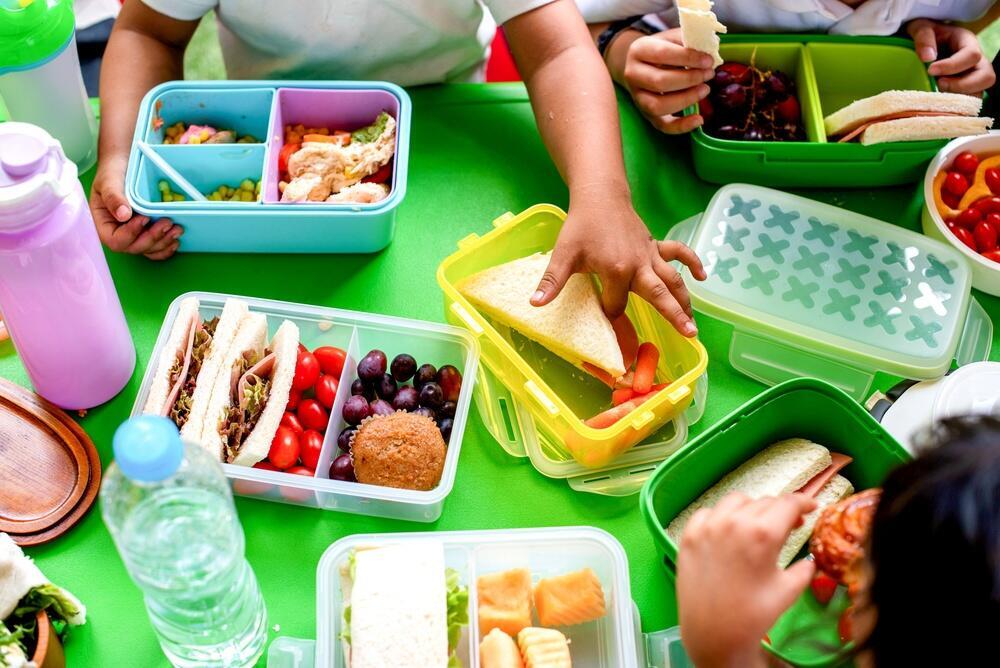
Ahead of the return to school, I gathered tips and ideas that can help diversify the midmorning meal, make it more appealing and, above all, increase the chances that it will not come home untouched.
First things first: Let them choose
When children are involved in the choice, they are more likely to eat the food. In the evening, parents and children can decide together what will go into the lunchbox the next day, or even create a simple weekly chart with several options to choose from. It can also eliminate the daily debate in front of the refrigerator.
We eat with our eyes
The way food looks can also affect how appealing it is. A divided lunchbox can help keep the sandwich, vegetables and fruit separate instead of letting everything arrive in the school bag as one soggy mess.
It can also help to put a little effort into how vegetables, fruit or sandwiches are cut. There is no need to turn every cucumber into a swan, but a little color and variety can certainly make a difference.
You do not need a sandwich every day
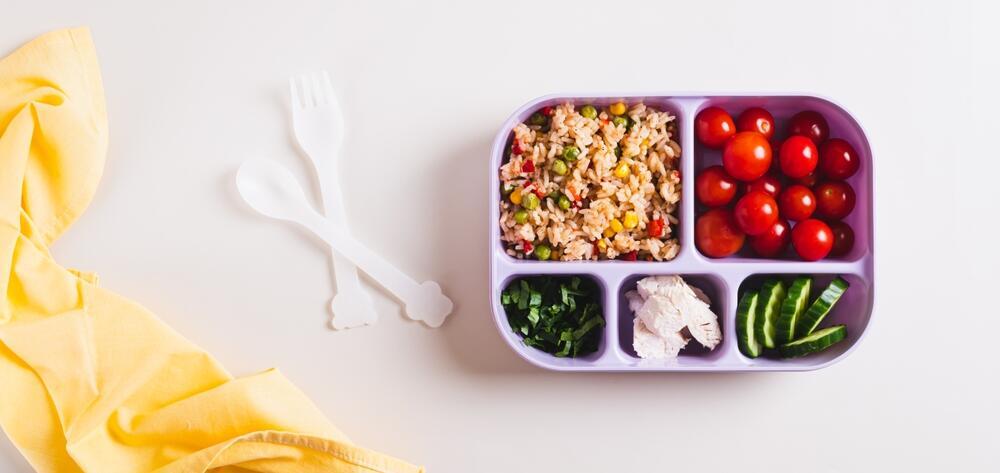
A sandwich is an excellent option, but there is no reason for it to be the only one. Small patties, homemade muffins, vegetables with cheese, a hard-boiled egg, quinoa or legumes can all add variety, as can yogurt with fruit and granola.
The result is a varied, nutritious and filling lunchbox without making every day feel the same.
Colorful food
Fruits and vegetables in different colors provide vitamins, minerals and dietary fiber, while also making the lunchbox more inviting.
Red or yellow peppers, lettuce, cucumber and carrots can easily be added and tend to maintain their texture and freshness even after several hours.
It doesn't have to be a sandwich
(Photo: Shutterstock/Rui Elena)
Smarter snacks
A small, unexpected snack can also be added according to what children enjoy. A pouch of fruit puree, a stick of yellow cheese or a rice- or soy-based pudding can work well.
Dried fruits such as cranberries, raisins or goji berries can also add sweetness and interest.
If the lunchbox includes foods that require refrigeration, such as cheese, yogurt or puddings, it is important to keep them chilled until they are eaten, for example with an insulated lunch bag or lunchbox and an ice pack.
Choose whole-grain bread
A sandwich is a good solution as long as the bread is made from whole grains such as whole wheat, rye or whole spelt, which are rich in dietary fiber and can help children feel full for longer.
Want something sweet? That is OK, too
There is no need to turn the lunchbox into a sweets-free zone.
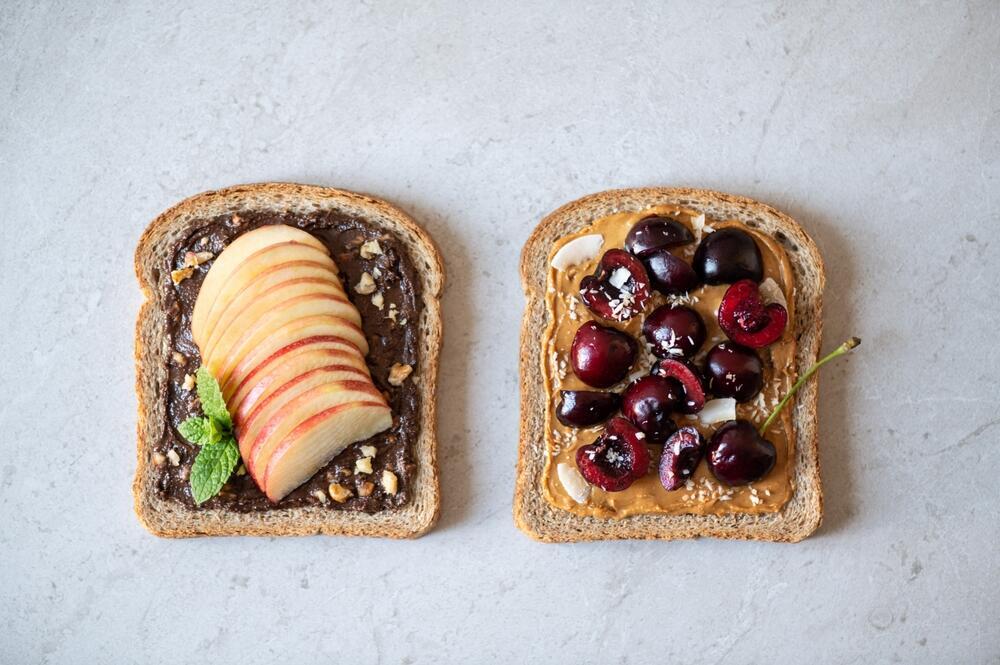
Sweet spreads can be added occasionally, or parents can make a small treat together with their children, such as date-and-oat balls.
Sweet spreads are an option, too
(Photo: Shutterstock/Anna Mente)
Other options include tahini with silan, or date syrup, which creates a flavor reminiscent of halva, or natural almond butter with a little honey.
Another idea is to make date-and-oat balls together with the children — a fun activity that also produces a sweet snack that can be packed in the lunchbox.
Give the sandwich a new look
Even if the sandwich stays, the filling does not have to be the same every day.
Alongside familiar spreads, parents can try savory options that are easy to make at home, including pesto, beet spread or tofu spread. This gives children a chance to try different flavors and find the ones they like best.
Here are a few healthy and tasty examples:
Homemade pesto spread
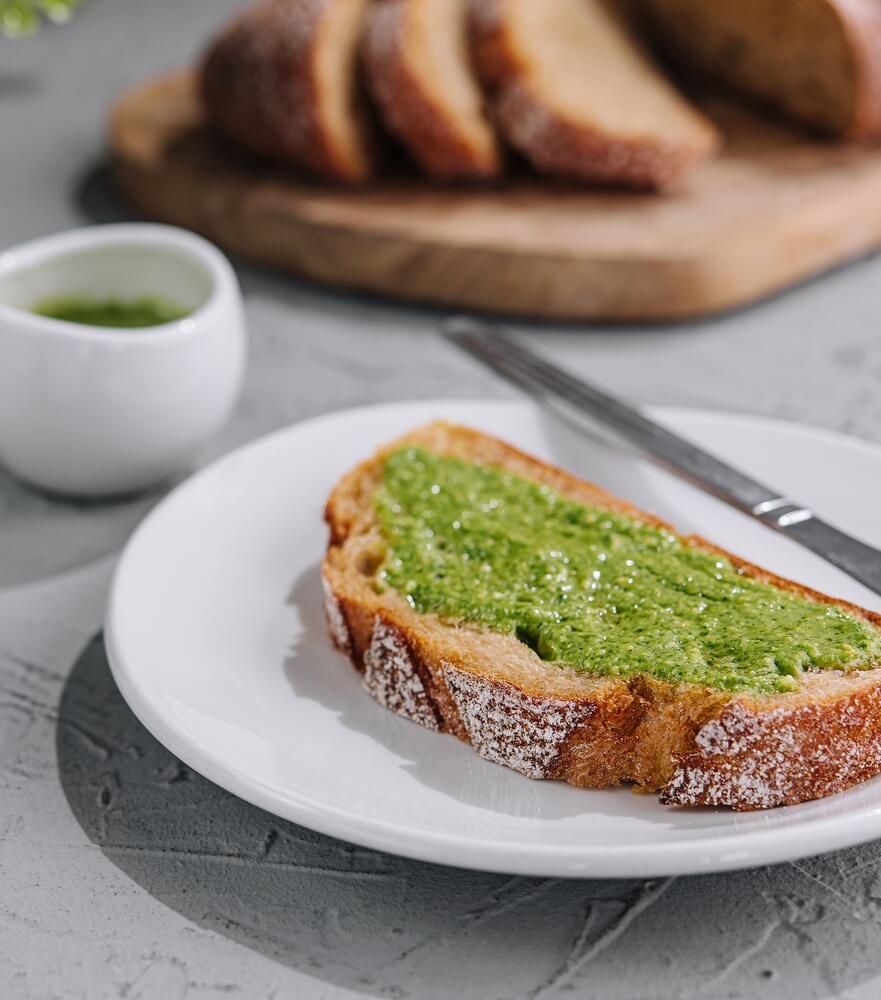
Pesto is a simple way to add flavor and color to a sandwich, and it can also be served alongside vegetables or used as a dip.
Ingredients: 2 bunches basil, 3 garlic cloves, 1/3 cup pine nuts or walnuts, 1/3 cup olive oil and a pinch of salt.
Preparation: Blend the basil leaves and garlic in a food processor. Add the olive oil and continue blending. Gradually add the pine nuts or walnuts until the spread reaches the desired consistency.
Homemade pesto: Simple and delicious
(Photo: Shutterstock/AntAlexStudio)
Beet spread
For those looking to add color, beet can easily be turned into a bright pink, slightly sweet spread.
Ingredients: 1 cooked beet, 1 garlic clove, juice of half a lemon, 1/2 tablespoon olive oil, salt and pepper to taste.
Preparation: Blend all the ingredients until smooth. If the mixture is too thick, add a little water. Store in the refrigerator.
Homemade tofu spread
Tofu is a source of protein and can serve as the base for a spread with a texture similar to soft white cheese.
Ingredients: 300 grams tofu, 1 to 3 tablespoons olive oil, a handful of parsley, 2 to 3 garlic cloves, salt and pepper to taste.
Preparation: Blend the parsley and garlic in a food processor. Add the tofu and pulse. Gradually add olive oil until the desired consistency is reached, then season to taste.

You can also make sweet snacks together
(Photo: Shutterstock/Nataliya Arzamasova)
Add a personal touch
A lunchbox does not have to be only about nutrition.
A sticker they like, a colorful napkin or a small note from home can make opening the lunchbox feel more pleasant and personal and may even put a smile on a child’s face.
Do not overload it
Sometimes the desire to make sure children “have enough” leads parents to pack half the refrigerator into a single lunchbox.
But more options do not necessarily mean a child will eat more. It is better to start with a few items they already like — for example, a small sandwich, a vegetable and a piece of fruit — and add more as needed.
Ultimately, the goal is not to pack the perfect lunchbox. It is to pack one the child actually wants to open and eat.
And if today’s sandwich came home untouched? That is OK. Ask what did not work, change one thing and try again tomorrow.
- The writer is director of the medical division at Maccabi Tivi and offers several simple ideas.