

Hummus is perhaps one of the foods most closely identified with Israeli and Middle Eastern cuisine. The experience of eating it — with warm pita and scooping — is part of its appeal. But beyond taste, it also turns out to be one of the more nutritionally interesting foods.
The origin of hummus, at least in its familiar form with tahini, is most likely traced to 13th-century Egypt, and it has since become one of the most popular foods in Israel. About 90% of Israelis eat hummus, and a significant portion do so more than once a week.

So what is actually in this dish? Here are a few things you may not know about hummus:
1. Hummus is a surprisingly rich source of protein
Chickpeas belong to the legume family and are particularly high in protein, about 10 grams per 100 grams. By comparison, a cup of cooked rice contains only about 4 grams of protein, making hummus an excellent alternative to animal protein, especially for vegetarians and vegans. Combined with tahini, it provides an even more balanced protein profile.
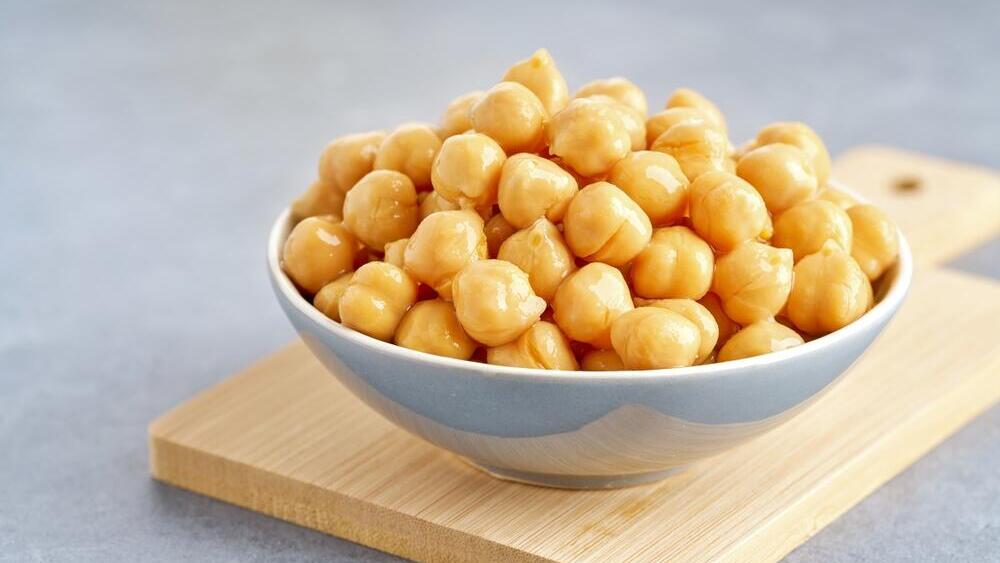
Chickpeas
(Photo: shutterstock)
In recent years, chickpea flour has also become a popular ingredient in health-focused cooking. It can serve as an egg substitute for those who avoid eggs and can be used to thicken a variety of dishes. Its mild, neutral flavor allows it to replace wheat flour in many recipes. A lesser-known tip is to add chickpea flour to frying batters. Its high protein content helps create a uniform outer layer that reduces oil absorption during frying.
At the same time, it is important to remember that hummus is relatively high in calories, especially when served with pita, tahini and olive oil, and should be consumed in moderation as part of a balanced diet.
2. Hummus helps maintain stable blood sugar and cholesterol levels
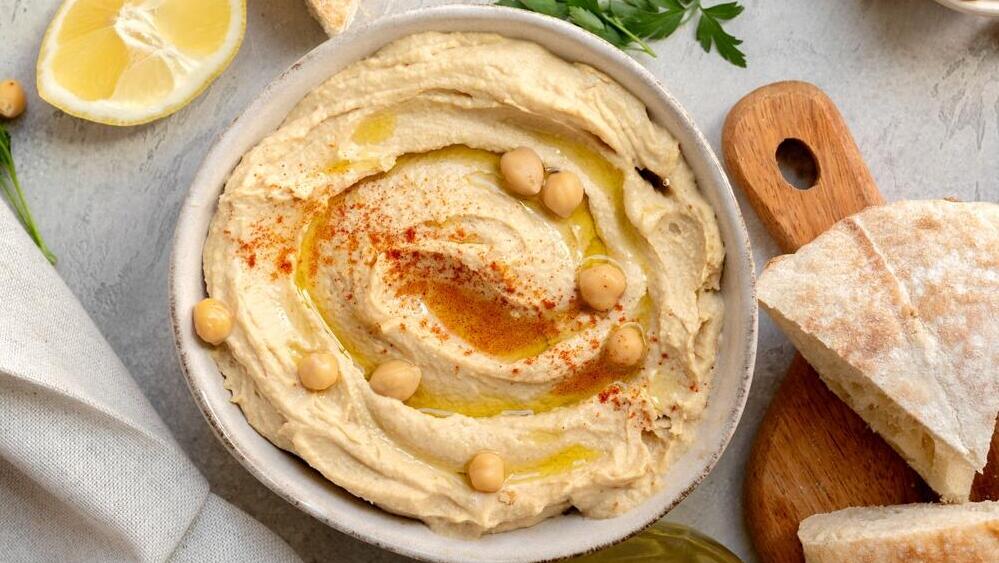
Research shows that a diet rich in dietary fiber significantly helps regulate blood sugar levels. Chickpeas, which are high in fiber, have a low glycemic index, leading to slower digestion of carbohydrates and a gradual release of sugar into the bloodstream. This process helps prevent sharp spikes and sudden drops in energy and contributes to a sustained feeling of fullness and stable energy levels over time.
(Photo: shutterstock)
The benefits of hummus were reinforced in a clinical study conducted in the United States and presented at a nutrition conference last year. The 12-week study included 72 people with prediabetes who were divided into three daily consumption groups: hummus, black beans or white rice. The results in the hummus group were particularly notable. By the end of the study, average cholesterol levels fell from 200 mg/dL to 186 mg/dL, moving participants from a borderline range into a normal, healthy range. This suggests that a simple and accessible dietary change may serve as a practical tool in managing overall health.
3. Good for digestion — if you know how to prepare it
As noted, chickpeas are very high in dietary fiber, about 14% of the legume, more than grains such as brown rice or whole wheat. These fibers not only help regulate blood sugar and support digestive health, but also aid in balancing cholesterol and increasing satiety.
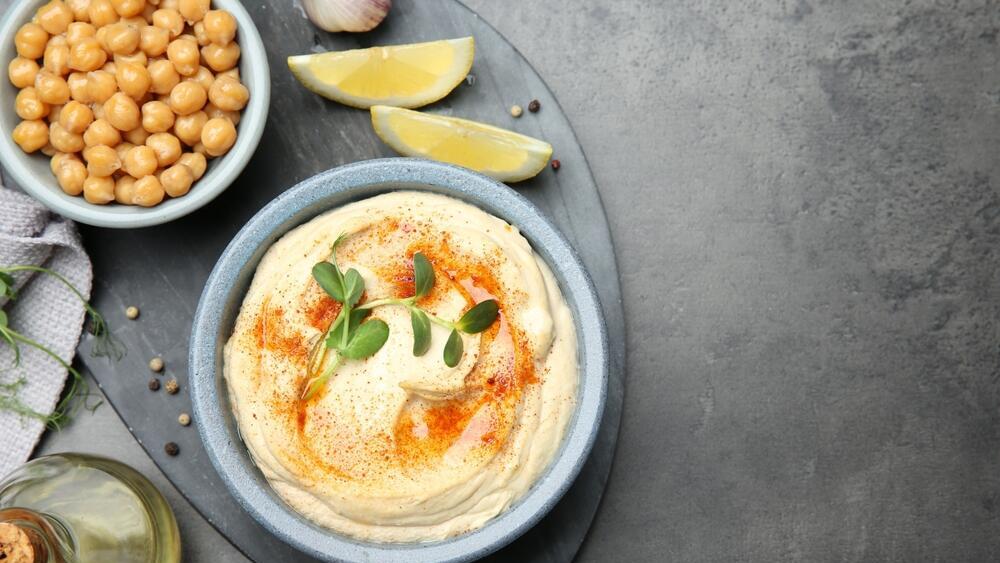
However, like all legumes, chickpeas can cause bloating if not prepared properly. This is because they contain certain sugars that the body has difficulty digesting on its own. When these reach the intestines, gut bacteria break them down, producing gas in the process.
(Photo: shutterstock)
To reduce this effect, it is important to soak chickpeas for an extended period and to change the water during cooking. Spices such as cumin can also help digestion. Adding baking soda during soaking softens the skins and can produce a creamy, velvety texture in about half the time. However, it is best to avoid adding baking soda during cooking itself, as it may reduce some of the legumes’ nutritional value. Ultimately, patience is key: the longer the soaking and the more careful the cooking, the easier hummus will be to digest.
4. It contains compounds that can affect mood
Hummus contains tryptophan, an essential amino acid that the body cannot produce on its own and that serves as a key building block for serotonin production in the brain, a neurotransmitter associated with calmness, satiety and well-being.
There is also an interesting biological mechanism at play: the complex carbohydrates in hummus help facilitate the entry of tryptophan into the brain. In addition, hummus is rich in vitamin B6, which is essential in converting tryptophan into serotonin, as well as magnesium, a mineral that helps relax muscles and blood vessels and reduce stress. This combination supports not only a sense of fullness, but also mood balance and sleep quality. In other words, beyond taste and satiety, there is a physiological basis for why hummus can make people feel good.
5. Not all hummus is the same
From a nutritional standpoint, the differences between homemade and store-bought hummus are not large. Both provide similar amounts of protein, iron and minerals. The main difference lies in what is added. Store-bought hummus, like other processed foods, sometimes contains preservatives intended to extend shelf life. Some of these have been linked to side effects such as headaches and nausea, so when possible, fresh or homemade hummus is generally considered the better option.
In addition, not all chickpeas are the same. There are different varieties that vary in size, cooking time and resulting texture. Smaller varieties tend to be better suited for producing a smooth, uniform spread, while larger varieties are often better for stews and cooked dishes.
The author is a healthy lifestyle researcher and holds a doctorate in gerontology.