

Few products hold as steady a place in the Israeli kitchen as canned tuna. It is always there: in a morning sandwich, in a lunch salad and right after an evening workout at the gym. In recent years it has also appeared in more surprising forms, from protein breads and patties to spreads and fitness bowls.
It is a simple, accessible product that requires no cooking or advance planning, and above all one that feels familiar and safe. Fitness enthusiasts embraced it for its high protein content, but the truth is that canned tuna cuts across sectors and trends. It is not just a protein boost, but a staple ingredient that has been part of daily life for decades.
Behind the can: A whole world of options
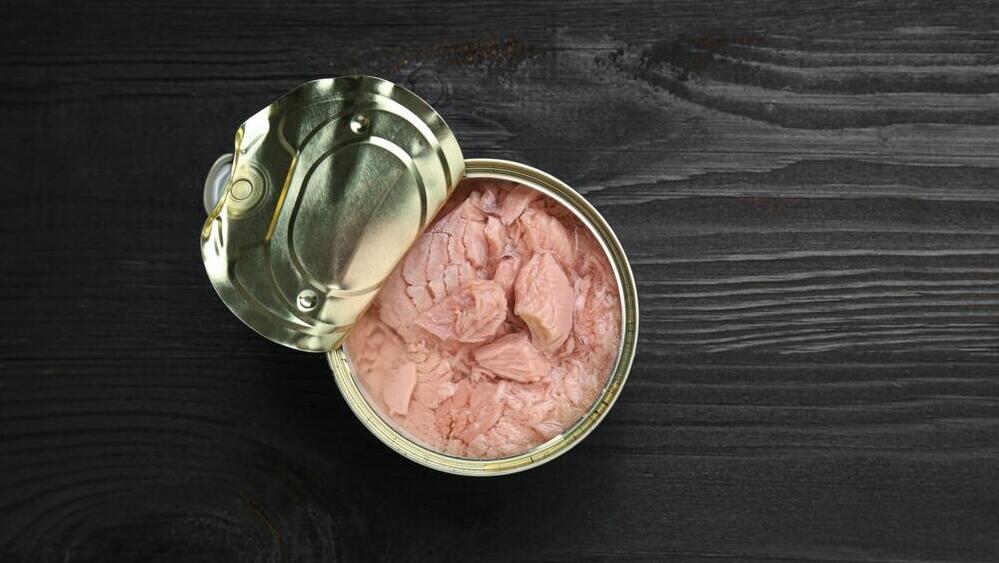
Behind the seemingly simple four-pack of cans lies an entire world of choices. Tuna in water, in canola oil or in olive oil, seasoned or plain, in chunks or flaked, mass-market brands versus stylish jars at boutique prices. The differences are not only marketing-driven. Tuna packed in oil is usually richer in flavor and texture, while tuna in water is considered lighter, with less fat and fewer calories.
(Photo: Shutterstock)
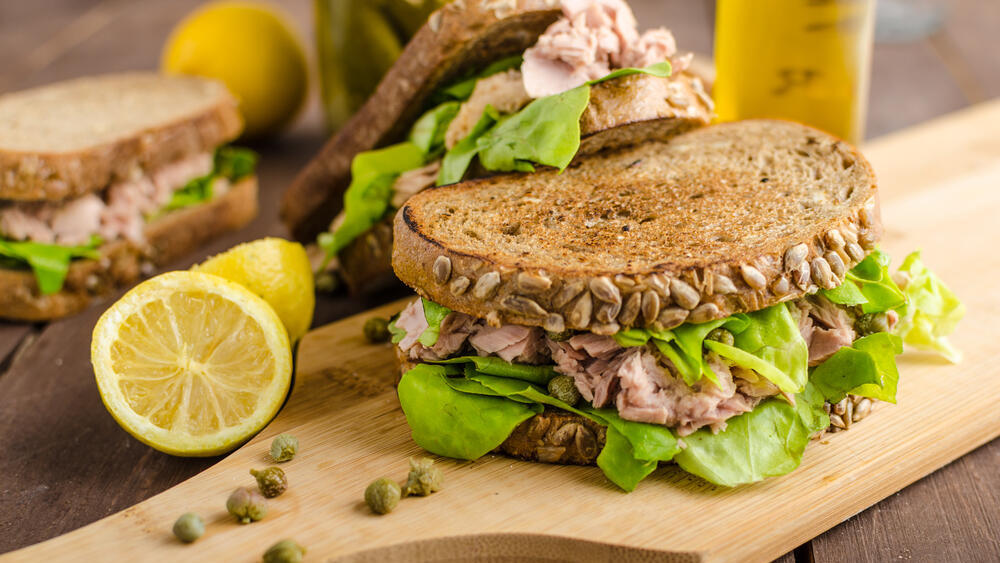
Olive oil adds aroma and a premium feel, but also raises the price. Some prefer tuna that is soft and juicy, while others look for a drier texture that mixes well into salads. Alongside industrial tuna from the supermarket, delicatessens also sell tuna in jars, a luxury product that is sometimes higher quality and more flavorful, aimed at those seeking a more refined eating experience rather than just a quick fix.
Albacore tuna
(Photo: Shutterstock)
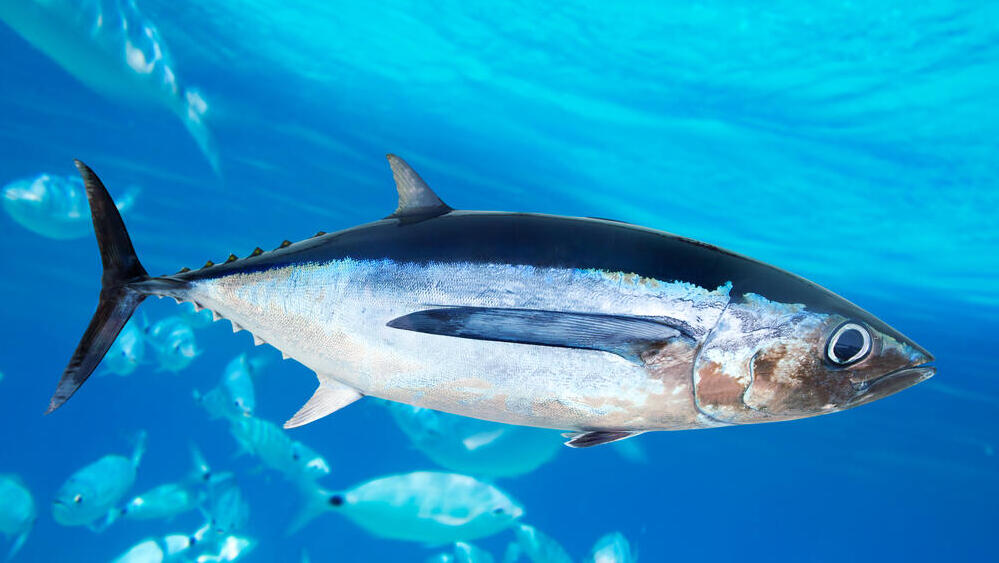
Beyond the packaging and the type of oil, however, there is a more basic question: What kind of fish is the tuna in the can? Under the general name “tuna” are several different species, and not all are the same in taste and texture. Most canned tuna sold in Israel is made from skipjack, a common and relatively inexpensive species with darker flesh and a pronounced flavor. It is joined by yellowfin, which is considered milder, and sometimes albacore, identified with light, firm flesh and usually found in higher-priced products.
The differences between species are also reflected in how the tuna is presented. Whole chunks are typically produced from larger fish that undergo less processing, while flaked tuna results from breaking down and mixing the flesh. This is not necessarily a matter of good or bad, but of suitability for use. Tuna chunks work well in dishes where they are the centerpiece, while flaked tuna is ideal for salads and spreads.
Pouring the oil down the sink? Think again
To better understand the nutritional implications, we spoke with Sagie Weinberg, a clinical dietitian with Clalit Health Services in the Dan–Petach Tikva district and a fitness coach.
What are the nutritional values of canned tuna, and which is preferable: oil or water?
“The values depend heavily on the preservation method. Tuna packed in oil has about twice as many calories per 100 grams of drained product compared with tuna in water, because the oil is absorbed into the tuna fibers and cannot be fully drained. Ironically, tuna in oil also usually contains more salt — about 400 milligrams, compared with 200 to 300 milligrams in tuna in water. Aside from that, the values are similar, and tuna is an excellent source of protein, with about 25 grams per 100 grams.”
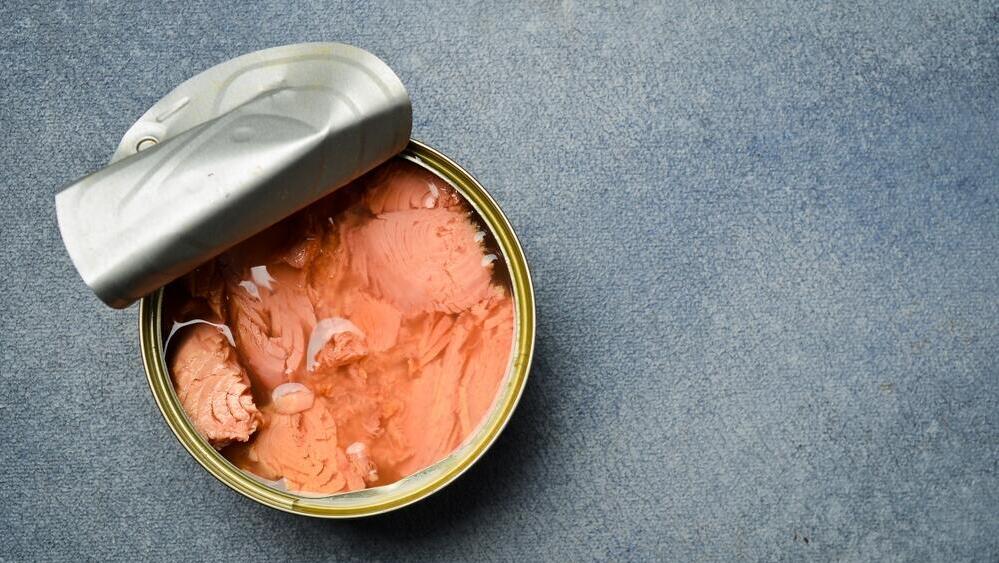
One of the actions most closely associated with tuna is the familiar post-opening “ritual”: walking to the sink and draining the oil. This is where a nutritional mistake related to omega-3 fatty acids comes in. “Tuna is an excellent source of omega-3, but when it is preserved in oil, up to about 50% of the omega-3 migrates from the fish into the preserving oil and is lost down the sink during manual draining. Therefore, tuna in water has a clear advantage, as it contains a higher amount of bioavailable omega-3, alongside other important nutrients such as vitamin B12, selenium and iron.”
Is there reason to worry about mercury, and how often is it recommended to eat tuna?
“Mercury is a toxic metal that can become a dangerous toxin in the body, but the common canned tuna sold in Israel is ‘light tuna,’ which does not accumulate large amounts of mercury. Over its lifetime, it is difficult to nearly impossible to reach dangerous levels through consumption. The situation is different with larger fish such as bigeye or yellowfin, which are higher on the food chain, but these are consumed in Israel very infrequently. Therefore, the alarm surrounding tuna is not justified, and it can be included in the diet even on a daily basis, with variety among protein sources. Light tuna is safe for women, children and pregnant women, who are advised to avoid large predatory fish such as swordfish. The general recommendation for everyone, and especially for those with high blood pressure or kidney problems, is to prefer tuna in water or low-sodium tuna.”
The global verdict: Do the benefits outweigh the risks?
At the global level as well, the dilemma between nutritional benefits and concerns about heavy metals has been examined in depth. In a comprehensive report by the joint committee of the U.N. Food and Agriculture Organization and the World Health Organization, the conclusion was unequivocal: For most of the population, the health benefits of eating fish far outweigh the potential risks from exposure to metals. The organizations emphasized that avoiding fish out of fear of contamination could cause even greater health harm due to a deficiency in omega-3, which is essential, among other things, for heart protection.
(Photo: shutterstock)
The sweeping recommendation of international health bodies is to consume about two servings of fish per week as part of a balanced diet, with an emphasis on preventing heart disease and stroke. In this context, canned tuna — especially from the lighter, smaller species common in Israel — is considered an accessible and effective way to meet that goal. So the next time you open a can, you can be at ease: This is not just a solution for the “lazy,” but a choice that aligns with the world’s leading health recommendations.