

Hungarian energy drink brand Hell is set to hit Israeli store shelves, as local distributor Diplomat announced on Monday it will begin importing the popular European beverage.
Launched in 2006, Hell has grown into a leading brand across Eastern Europe and is currently sold in over 50 countries worldwide.
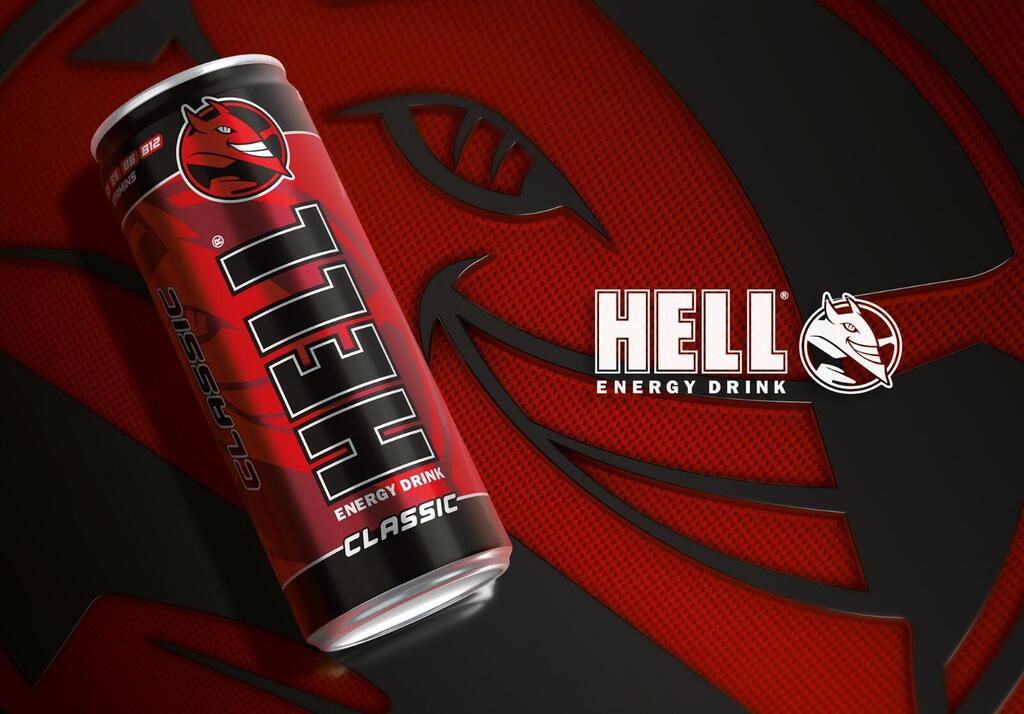
The brand enjoys strong market positions in countries familiar to Israeli tourists, including Greece, Cyprus and Hungary, where it often leads in energy drink sales.
Energy drinks like Hell typically contain caffeine and taurine for a stimulating effect. The drink also features five B-group vitamins and comes in more than 14 flavors globally, such as Classic, Zero, Strong Apple, Strong Cola and Multivitamin. In Israel, only two flavors will initially be available: Classic and Apple.
While Hell offers 27.5 grams of sugar per can (except in the Zero version), the product is being positioned as a premium offering. Despite benefiting from Israel’s recent “What’s Good for Europe is Good for Israel” import reform, which simplifies the process for bringing in European-standard products, consumers shouldn’t expect a budget option. Diplomat stated that Hell will be priced between existing local competitors XL and BLU, with BLU currently being the most affordable energy drink on the Israeli market.
The brand has previously featured actor Bruce Willis as its spokesperson; its current ambassador is Italian actor Michele Morrone.
XL leads Israel’s energy drink market
According to data from research firm StoreNext, XL is the top-selling energy drink in Israel, commanding over 56% of the market. Produced in the Netherlands, it is followed by Poland’s BLU with around 25%, Serbia’s Monster with 9.9% and Austria’s Red Bull at 7.7%. The category also includes smaller brands such as Germany’s allin and the American Rockstar.
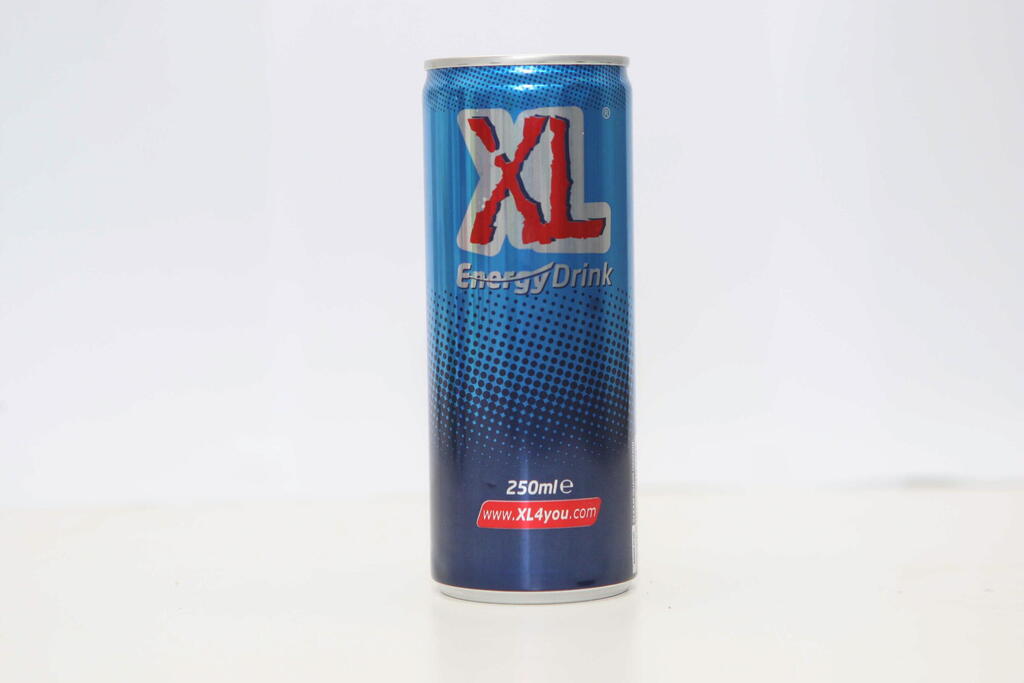
XLenergy drink
(Photo: Amit Magal)
The energy drink category saw a 14% increase in sales value between 2023 and 2024, rising from NIS 329.65 million ($98.9 million) to NIS 376.24 million ($112.872 million). The upward trend has continued this year, with sales totaling NIS 222.31 million ($66.7 million) so far. In terms of volume, the category grew by 9% last year.
These figures reflect only retail and convenience store sales. Industry estimates suggest that the "cold market"—restaurants, bars, weddings and event venues, which are not tracked by StoreNext—generates even greater revenue.
The gap between the 14% increase in sales value and the 9% rise in volume points to price hikes in the category, which continued into the current year.
Most energy drink brands in Israel see price hikes over past two years
Over the past two years, most energy drink brands sold in Israel have seen price increases, according to market data.
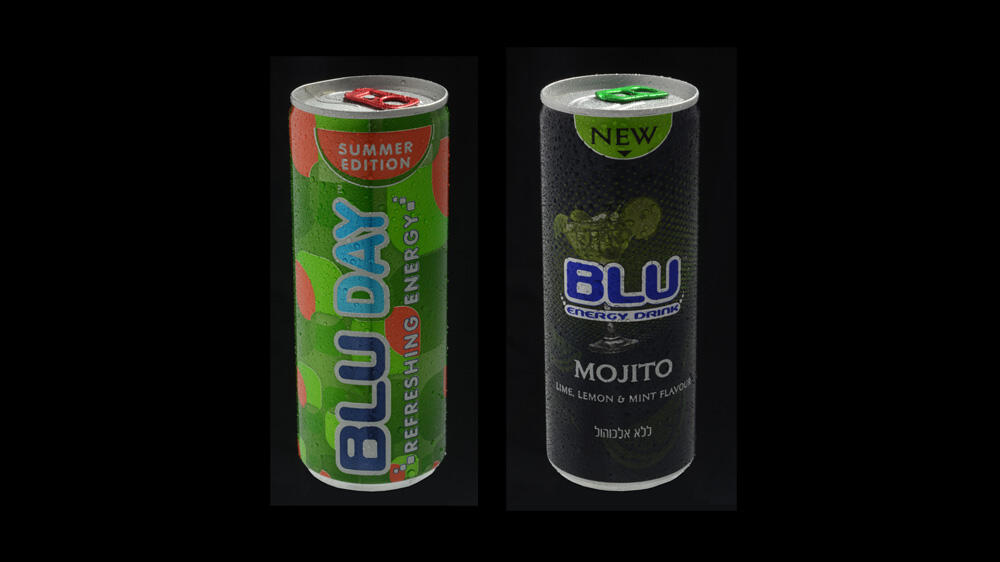
BLU energy drink
XL, distributed by Tempo, rose in price by 3.5% this year—from an average of NIS 4.17 per 250 ml can in 2024 to NIS 4.32. Since 2023, its price has risen by 7.7%. It is currently sold at between NIS 3.33 and NIS 9.90 per unit, including promotional offers.
BLU, imported by Bnei Fozi Shamsohum, remains the lowest-priced brand in the category. It rose modestly by 1.3% this year and has increased by 4.7% since 2023. Its average price is NIS 3.73 per can, currently retailing at between NIS 2.73 and NIS 9.
Get the Ynetnews app on your smartphone: Google Play: https://bit.ly/4eJ37pE | Apple App Store: https://bit.ly/3ZL7iNv
Monster, imported by Coca-Cola Israel, is sold in 500 ml cans at an average price of NIS 8.43—a 5% increase over last year. In 2023, it was sold at NIS 7.40 on average, marking a 14% rise over two years. It currently sells for between NIS 6.67 and NIS 13 per can, and its per-100 ml price is generally lower than that of XL and Red Bull.
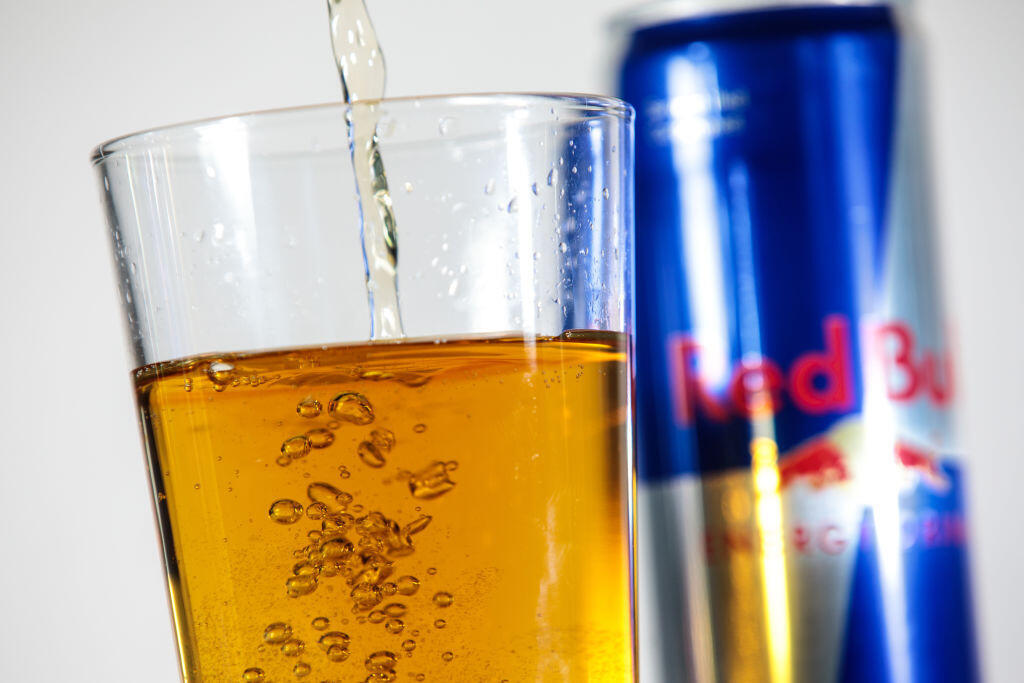
Red Bull energy drink
(Photo: Jack Taylor/Getty Images)
RRed Bull, the most expensive brand in the category and distributed in Israel by Red Bull Israel, has seen a price drop of 3.6% this year—from an average of NIS 7.17 to NIS 6.91. Since 2023, the total reduction amounts to 1.4%. It is now sold for between NIS 4.90 and NIS 10.90 per can.
Diplomat Group, the company introducing Hungarian brand Hell to Israel, is a food and personal care importer and distributor operating in five additional markets: Greece, Cyprus, Georgia, South Africa and New Zealand. Among its imported brands are Milka, Oreo, Jacobs, Starkist tuna, Pringles, Heinz sauces, Kikkoman, Pampers, Oral-B, Ariel, Fairy, Gillette, Always, Old Spice, Toilet Duck and Nutrilon. Like most importers, Diplomat has raised prices multiple times in recent years.