

It’s one of the most widely used ingredients in any kitchen, but also one of the most controversial and misunderstood when it comes to health and proper use. It’s there when you fry your morning eggs, drizzle it over a salad, or bake a comforting weekend cake.
On one end are those who avoid it altogether in the name of dieting. On the other are health enthusiasts searching for the “purest” option, or even making their own at home.
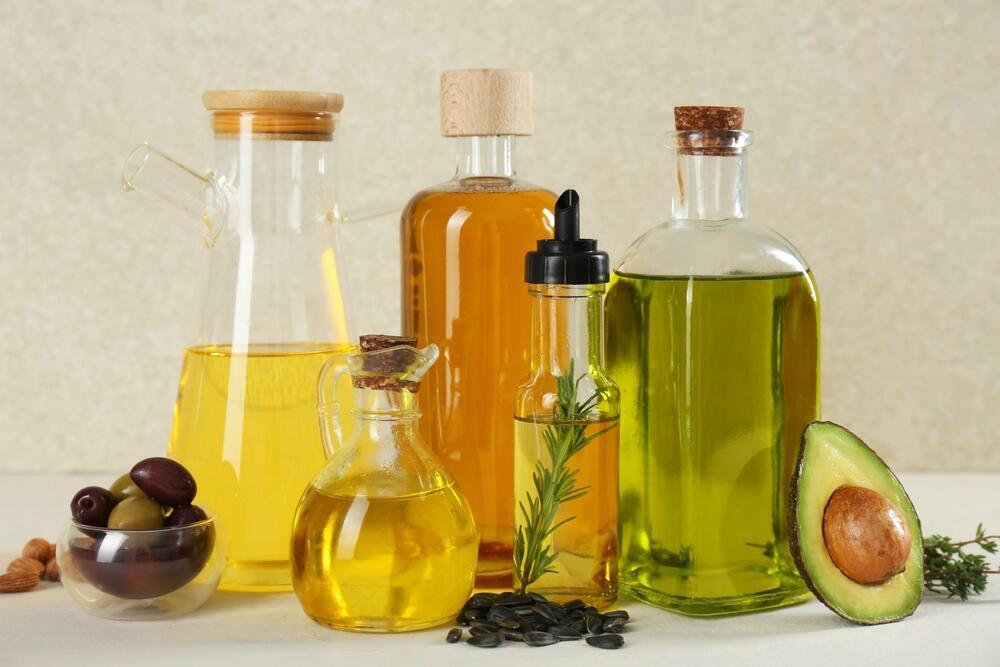
But oil isn’t just another ingredient. It carries flavor and shapes texture. It’s what gives food that crisp bite or soft finish. And with dozens of options on the shelf, from extra-virgin olive oil to grapeseed, from coconut’s tropical aroma to neutral canola, it’s easy to get lost.
So what actually separates one oil from another? How are they made? What does “cold-pressed” really mean? Why is one oil perfect for deep-frying while another will ruin your sauce? And what happens if you pour oil down the drain, and why should you never do it?
The basics: what to know before opening the bottle
Before diving into the shelf, two key terms appear on nearly every label and determine both flavor and health value:
Cold-pressed: The most natural extraction method. Oil is mechanically pressed from fruit or seeds without heat or chemicals, resulting in rich flavor, vitamins and antioxidants. It’s considered premium quality, but it’s also sensitive to heat.
Refined oil: Processed with heat and chemical filtration to neutralize taste and odor and improve stability. This is the kind you would use for a neutral flavor or oil that can withstand long frying.
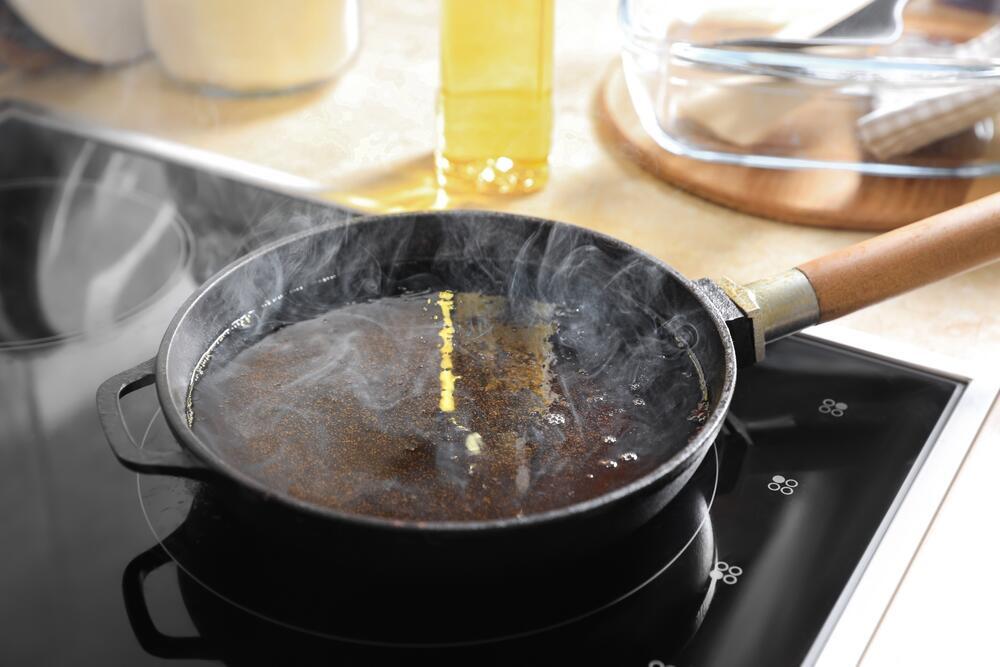
Smoke point: The oil’s "red line", the temperature at which it begins to break down, smoke and release harmful compounds and bitter flavors. Low smoke point oils, like butter or nut oils, are better for salads. High smoke point oils, like canola or grapeseed, are better suited for pan-frying.
(Photo: New Africa / shutterstock)
The lineup: which oil does what
Not all oils are created equal, and using the wrong one can ruin a dish or even make it less healthy once it burns.
Olive oil, the undisputed king
Best for: dressings, pasta, oven cooking and quick frying.
Look for “extra virgin,” which guarantees cold pressing.
Pros: rich in antioxidants and vitamin E, heart-friendly.
Cons: strong flavor, not ideal for all dishes, burns at high heat.
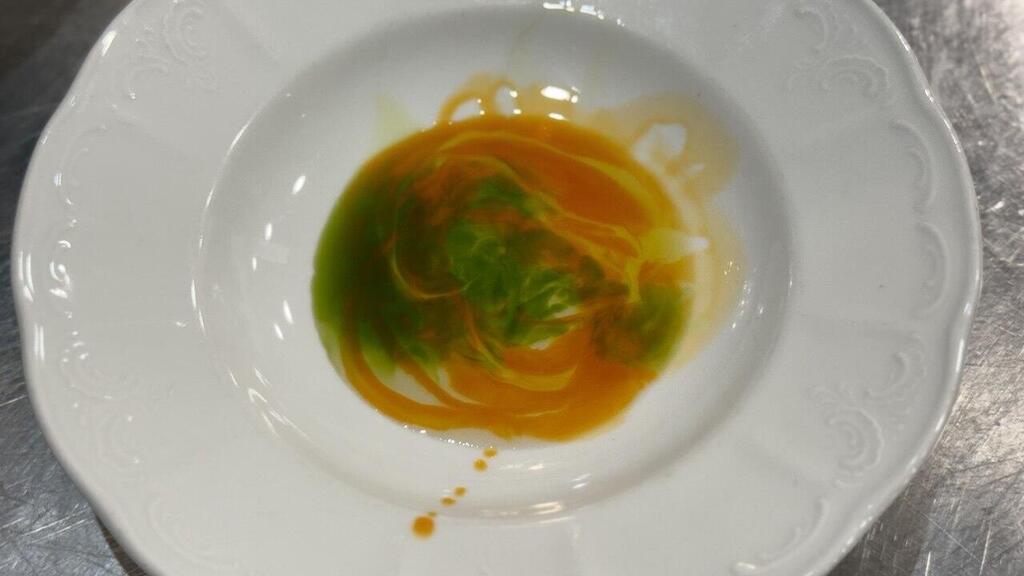
A variety of oils: olive, herb-infused, leek and green onion
(Photo: Sapir Gordo)
Avocado oil
Best for: searing steak or high-heat frying.
Pros: combines health benefits with a very high smoke point.
Cons: significantly more expensive.
Canola and sunflower oils
Best for: deep frying or baking when you want a neutral flavor.
Pros: neutral taste, very heat-stable.
Cons: heavily processed.
Ghee (clarified butter)
Best for: searing, sautéing, or rich baking.
Pros: deep, nutty flavor, lactose-free, high smoke point.
Cons: high in saturated fat and requires preparation time (if made at home)
Coconut oil
Best for: Asian dishes, vegan desserts, and baking.
Pros: stable at high heat, serves as an excellent plant-based substitute for butter thanks to its solid texture.
Cons: high saturated fat, strong coconut flavor.
Rendered beef fat
Made by slowly rendering beef fat over low heat and straining it. It has surged in popularity in recent years, especially among followers of the keto diet, which emphasizes higher fat and lower carbohydrate intake.
Best for: frying, cooking, searing meat or vegetables, and greasing roasting pans.
Pros: completely natural, highly stable at high temperatures, and rich in fat-soluble vitamins such as A and D.
Cons: requires preparation at home and has a pronounced meaty flavor that doesn’t suit vegetarian or dairy dishes.
Boutique oils (sesame, truffle, hazelnut)
Best for: finishing dishes, used as a liquid “seasoning,” drizzled just before serving over stir-fries, salads or cold dishes; rarely used for cooking.
Pros: intense aroma and flavor.
Cons: expensive, sensitive to heat (break down when heated) and tend to oxidize and spoil quickly if not stored in the refrigerator or in a dark place.
How to store oil properly
Oil’s biggest enemies are heat, light and oxygen. Store bottles in a closed, cool, dark place, such as an interior pantry cabinet, and avoid leaving them on the counter in direct sunlight or near the stove, where higher temperatures speed up oxidation and damage flavor.
Choose oils sold in dark glass bottles over clear plastic, which offer better protection from light exposure. And trust your nose: if the oil smells stale or rancid, it’s gone bad.
The secret to better schnitzel and steak
Chef Roee Dori of Bistro Palette explains how oil choice affects results, which oil will elevate your fish and which can ruin your steak, and reveals the common mistake that causes schnitzel to soak up excess oil.
“Olive oil has a wide range of uses, from salads to cooking, but animal fats deliver a stronger flavor,” he says. “I come from a Yemeni culinary tradition and use a lot of ‘samneh’ (clarified butter infused with fenugreek and a smoky flavor). In India, they favor ghee, and in France it’s beurre noisette, a browned butter with a deep nutty taste. By contrast, canola and soybean oils are mainly used for deep frying, which requires consistent temperature, like fish and chips."
“Specialty oils are like a seasoning. In Asian cuisines, a teaspoon of sesame oil adds a huge amount of flavor. Hazelnut oil pairs beautifully with roasted beets, and herb oils, like green onion or cilantro, are a great way to coat a dish with consistent flavor and texture.”
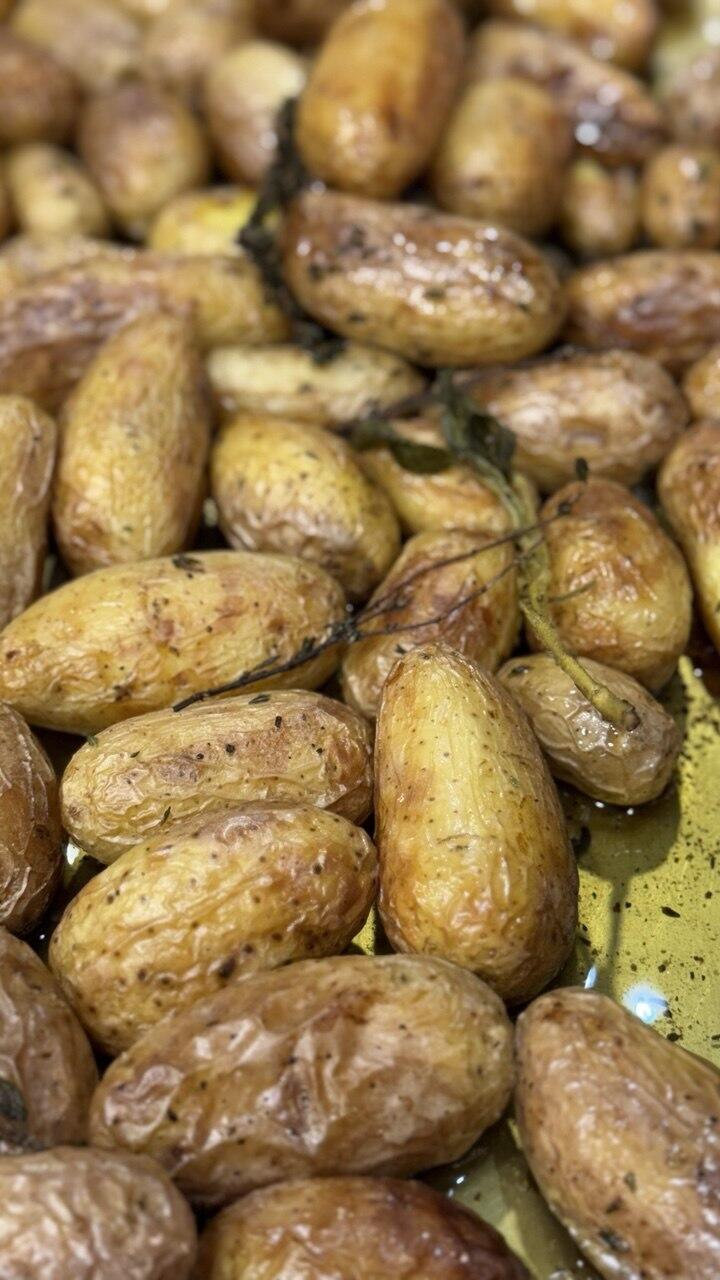
Potatoes cooked in animal fat
(Photo: Sapir Gordo)
"When you want to sear a steak and achieve that deep brown crust (the Maillard effect), the pan needs to be scorching hot before adding the oil. Once the oil starts to smoke or moves quickly across the surface, it’s time to add the steak for a quick, high-heat sear.
"For raw dishes like carpaccio or sashimi, the rule is the opposite: I add the oil at the end. If you add it at the beginning, it seals the fish and prevents the salt and lemon from curing it properly.”
And what about animal fat?
“Don’t throw it away,” Dori says. “Beef fat is great with potatoes. When you roast duck, save the leftover fat and use it to fry onions or chicken livers. As for storage, unlike olive oil, which needs to be kept in the dark, rendered fats like ghee, samneh, or purified beef fat can sit in a jar on the counter for months without spoiling.
“And the most important tip for schnitzel,” he adds, “is to deep-fry, not shallow-fry. When there’s too little oil, the temperature drops and the breadcrumbs absorb a lot of oil. In deep frying, schnitzel actually absorbs less oil and comes out lighter.
“And in the end, if I had to pick just one oil for a desert island? Olive oil. It’s the most versatile.”
When does oil become toxic?
After tackling flavor, it’s time to talk about what’s happening in our bodies. Supermarket shelves are packed with health claims, but when does seemingly harmless oil become dangerous, and what really happens to its nutritional value when the pan gets hot? Clinical dietitian Bar Komov breaks it down and explains why reusing oil is a kind of health roulette.
Fat often gets labeled as “the enemy,” but our bodies actually need it. So which fats do we really need?
“Fat is essential for proper function,” she says. “It builds cell membranes and is vital for the hormonal system, the immune system, the brain and even skin health. The key is distinguishing between types. Saturated fat, which comes from animal sources, can be produced by the body, so it’s not essential in our diet. The recommendation is to limit it to about 10% of daily calories.
“Unsaturated fat, on the other hand, is the star. The Mediterranean diet is built around it, with an emphasis on omega-3 fatty acids found in fatty fish like salmon and sardines, as well as plant sources such as walnuts and chia seeds.”

Reusing oil is dangerous
(Photo: Towfiqu ahamed barbhuiya / shutterstock)
When does oil actually become harmful?
“It happens in two main situations. The first is reusing oil. The common habit of frying repeatedly in the same oil is dangerous. The healthier fats are often more sensitive to damage, and when repeatedly heated, their molecules change, oxidize and may cause 'oxidative stress' in the body. My rule is simple: once you’ve used it, don’t use it again.
“The second case is ultra-processed foods. Some oils, especially palm oil, are harmful and have been linked to liver damage. It’s often hidden in breakfast cereals, cookies and crackers. If you see palm oil or an unfamiliar oil on the ingredient list, that’s a red flag. You’re looking at ultra-processed food containing fats that may have already degraded during manufacturing.”
So what should our plate look like?
“About 30% to 40% of your diet should come from natural, unprocessed fats like olive oil, avocado, nuts and fish,” she says. “The rest, especially processed and reused oils, should stay off your plate.”
‘Pipe cholesterol’: why you should never pour oil down the drain
After cooking, many people instinctively pour leftover oil into the sink. Plumber Shay Ben Hamo says that’s a costly mistake. “You should never pour oil into plumbing systems,” he says. “It forms clumps and clogs pipes, just like fat clogs arteries.”
"When oil mixes with soap, it creates a chemical reaction that hardens into solid masses. Over time, these build up along the pipe walls, narrowing the passage until water can’t flow.
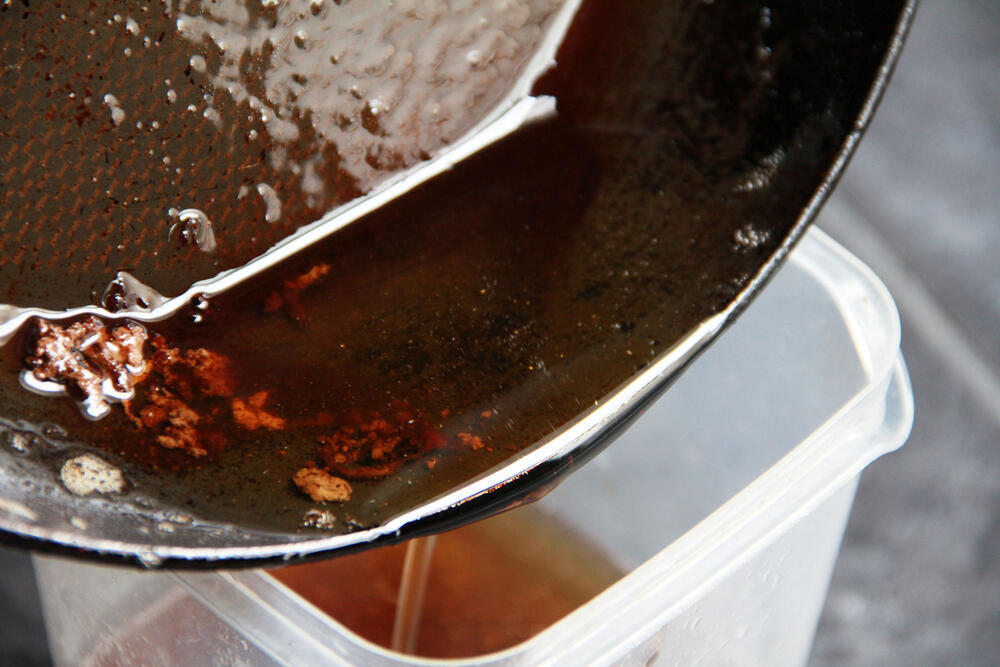
never pour oil down the drain
(Photo: Mama Belle and the kids / shutterstock)
“In 20 years on the job, I can tell you: bathroom clogs are hair. Kitchen clogs are always grease,” he says. “If it happens once every couple of months, you might get away with it. But in a home that fries regularly and pours oil down the drain, the damage is inevitable. The usual fix involves using special chain cutters that break up these ‘stone-like’ blockages and clear the pipe.”
So what’s the right way to dispose of it?
Let the oil cool, pour it into a sealed container or bag, and throw it in the trash. If you want a cleaner option, you can use a special solidifying powder added while the oil is still warm. Within moments, the oil turns into a firm solid that can be easily lifted from the pan and thrown in the trash. It’s clean, quick and protects your pipes.