

Tu B'Shvat reminds us of the fundamental bond between people and the land, between food and nature. It is the holiday when dried fruits and nuts take center stage, but this is also a good moment to highlight legumes and a small secret: how we consume them has a major impact on their nutritional value.
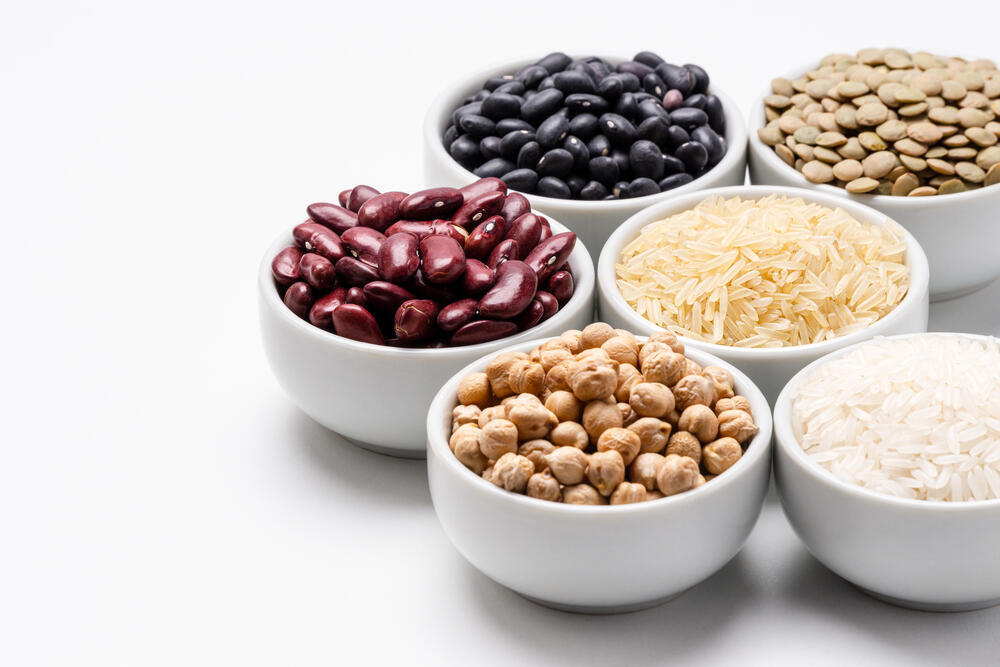
Combining legumes such as lentils, chickpeas and beans with whole grains like buckwheat, brown rice or whole wheat creates a complete protein that contains all essential amino acids. It is a simple, accessible, and filling solution, suitable for both those looking to reduce animal protein and anyone seeking to diversify protein sources.
This approach also aligns with current nutritional discourse in the U.S., where updated food pyramid guidelines have recently emphasized increasing daily protein intake as part of a balanced, healthy diet.
Beyond protein, legumes are among nature’s richest sources of minerals, including calcium, iron, zinc and magnesium. However, in their dry form, much of these minerals are not readily available to the body. The reason lies in the plant’s natural defense mechanisms. Compounds such as phytic and oxalic acids bind minerals, prevent premature germination and also hinder absorption in the human digestive system.
This is where two simple processes come in: soaking and sprouting.
Soaking seeds and legumes in water mimics rainfall and activates the plant’s natural growth process. During soaking, biochemical reactions break down germination-inhibiting acids, releasing minerals and making them more available for digestion and absorption.
The next stage, sprouting, activates digestive enzymes that break down complex starches and proteins. This makes legumes easier to digest, increases the availability and content of vitamins and minerals, and improves protein quality by enhancing the amino acid profile.
Studies suggest that sprouting can significantly improve mineral absorption, largely because phytic acid levels are reduced. This does not add new nutrients, but meaningfully upgrades what is already on the plate.
How to do it at home
All you need is a large glass bowl, remembering that the volume can triple, a fine mesh strainer and a clean kitchen towel.
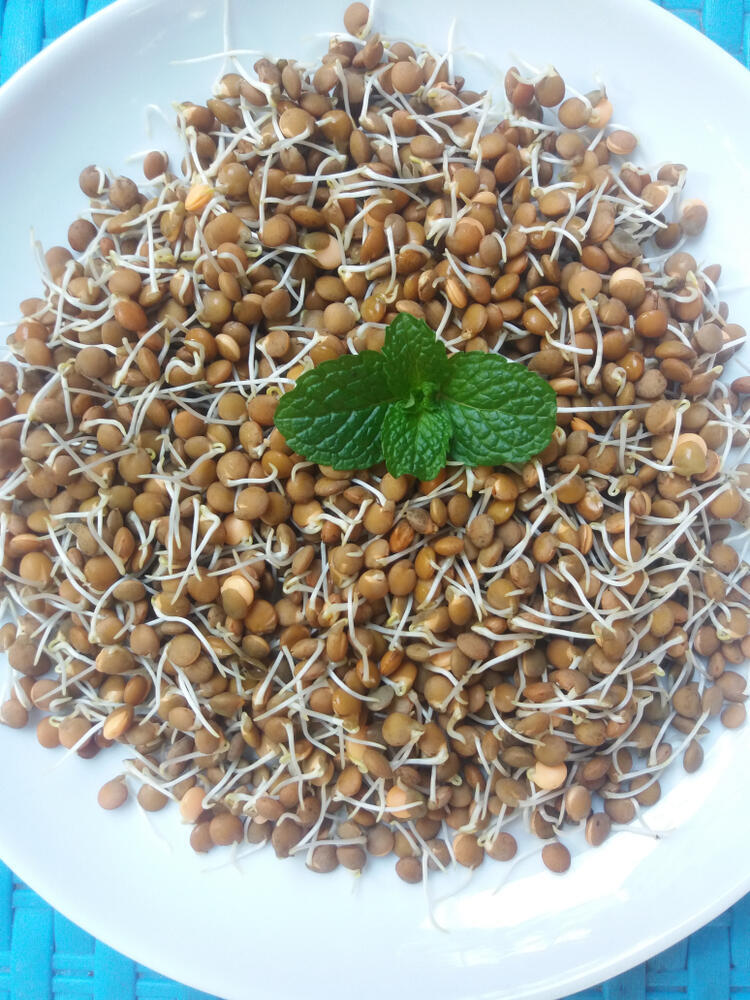
Sprouting: a significant nutritional upgrade
(Photo: Shutterstock)
Start by thoroughly rinsing the seeds or legumes under running water to remove dirt and residue. Place them in a glass bowl with plenty of water and soak for at least 10-12 hours. Drain and rinse again. This is the soaking stage.
For legumes such as chickpeas, peas or dried beans, a longer soak of about 24 hours is recommended, with the water changed at least once during the process.
For sprouting, transfer the drained seeds to a strainer set over a bowl, cover with a towel to mimic underground darkness, and rinse every 12 hours. Within a day or two, a small sprout will appear, a sign that growth has begun. You can wait another half day for the sprout to lengthen slightly, then it is ready to use.
A natural multivitamin
A tablespoon of sprouts a day can be added to almost anything: salads, soups, stews, sandwiches, casseroles, spreads or even eaten lightly steamed as a snack. It is live food that is filling and nourishing, adding more nutrition with no effort.
Beginners may want to start with easy-to-sprout legumes such as lentils or mung beans. Sprouts can be stored in a glass container in the refrigerator for up to a week, or frozen for up to two months. Freshness matters: white sprouts are a good sign, while a brownish color means it is best to discard them.
Tu B'Shvat is an opportunity to pause and remember that nutrition does not always require adding more. Sometimes, changing the method is enough. With a little water, patience and nature doing the work, simple food can become truly nourishing.