


It is an instantly recognizable American image: a man standing by the barbecue, flipping burgers on the grill with a can of his favorite beer in hand. It is a classic, almost stereotypical scene, woven into American culture for generations.
But that familiar picture is beginning to change. More and more Americans are swapping beer for a different kind of can: a cannabis drink infused with tetrahydrocannabinol (THC).
According to an AFP report published by Medical Xpress, THC-infused beverages, containing cannabis’ main psychoactive compound, have become one of the fastest-rising trends in the U.S. drinks market in recent months. They are marketed as a social alternative to alcohol, something to open with friends, at dinner, on the porch or even at a 4th of July barbecue. The key difference is that instead of alcohol, they contain varying doses of THC.
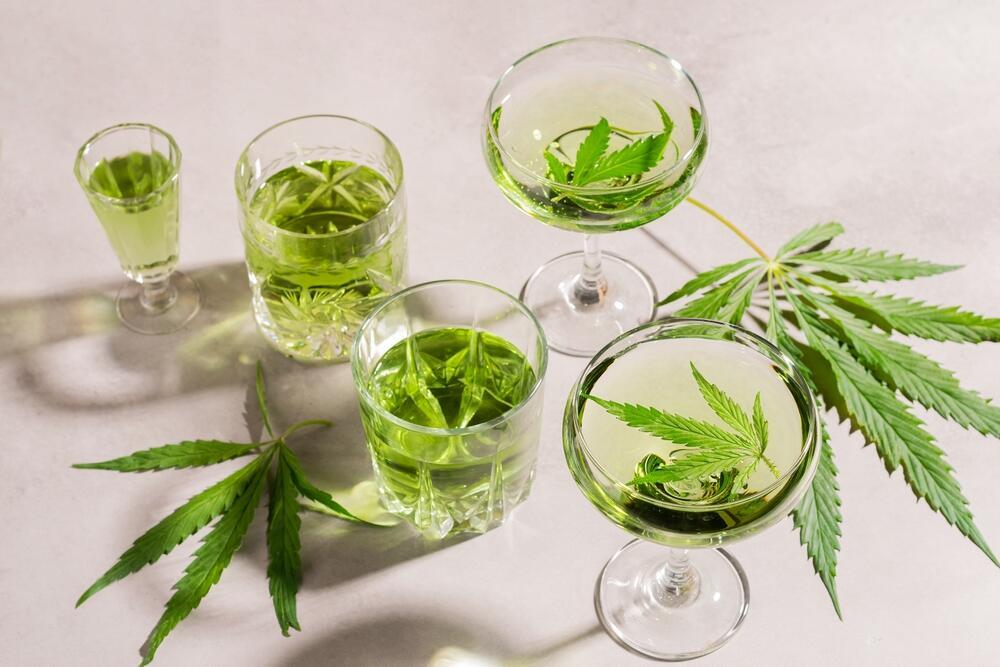
The trend is part of a broader shift in American drinking habits. According to a 2025 Gallup survey, only 54% of Americans said they drink alcohol, the lowest figure since the polling company began asking the question in 1939. At the same time, more Americans now view even moderate drinking as a health concern. Into that space have come cannabis drinks, promising a similar social experience without alcohol and without the morning-after hangover.
At a beach house in North Carolina, small business owner Cecilia Pfaff described a drinks table that could almost have looked ordinary: beer, wine, mimosas, and also a large glass bottle of cannabis drink containing 170 mg of THC in total, or 10 mg per serving. "Pretty much everybody I know—all of whom are professionals—are taking a THC-derived product in some form," she told AFP.
One guest, Pat Clougherty, a pharmaceutical sales representative, described the shift simply. He and his wife used to drink red wine or beer in the evening. Today, he said, they pour themselves a THC drink. "You don't wake up feeling it as much," he said, referring to the familiar hangover feeling associated with alcohol.
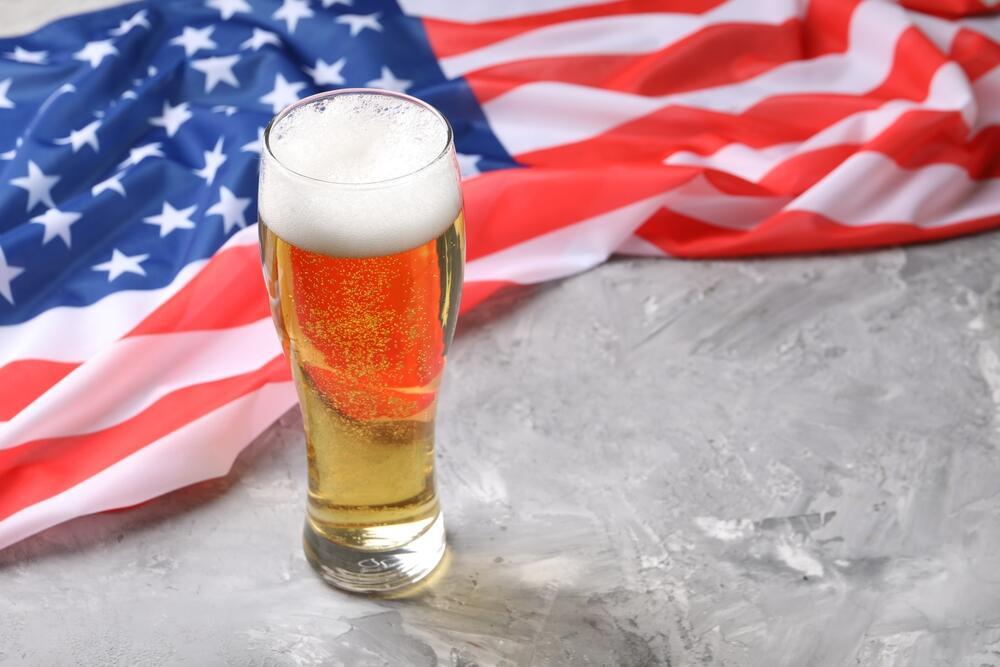
Fewer Americans are drinking alcohol
(Photo: Shutterstock)
The industry has also sensed the opportunity. According to research firm Euromonitor, the U.S. cannabis beverage market grew from about $238 million in 2023 to about $720 million in 2025, and is expected to pass $1 billion in retail sales in 2026.
Some products are no longer sold only in niche stores. They are reaching major grocery chains, restaurants and public events. For many producers, this is no longer a side market within the cannabis industry, but a new beverage category in its own right.
The loophole that created a new drink category
The rise of THC beverages is tied to cannabis’s complicated legal status in the United States. Recreational marijuana remains illegal at the federal level, even though many states have legalized it. But in 2018, federal law changed, making most products derived from hemp, a variety of the cannabis plant with relatively low levels of THC, largely legal.
According to critics of the industry, the original intention was to encourage a market for non-intoxicating hemp products, such as textiles, food, oils and supplements. In practice, the change created an opening for intoxicating THC products derived from hemp, including drinks, gummies, baked goods, vaping products and more.
That gap between the law’s intent and the reality on store shelves became the engine of the industry’s growth. Entrepreneurs realized they could take cannabis’ old image and repackage it. For consumers trying to move away from alcohol, the result sounded like a convenient solution. For regulators, it is beginning to look like a problem.
In late 2025, Congress changed the rules again. Under the new law, expected to take effect on November 12, 2026, finished hemp products will not be allowed to contain more than 0.4 mg of THC per package.
That is far lower than the doses commonly found in many current beverages, where a single serving may contain 5 or 10 mg of THC, and sometimes more. For drink producers, the implications could be dramatic. "It'll crush the THC beverage industry", Trent Mooring, an entrepreneur who founded a THC beverage brand in North Carolina, told AFP.
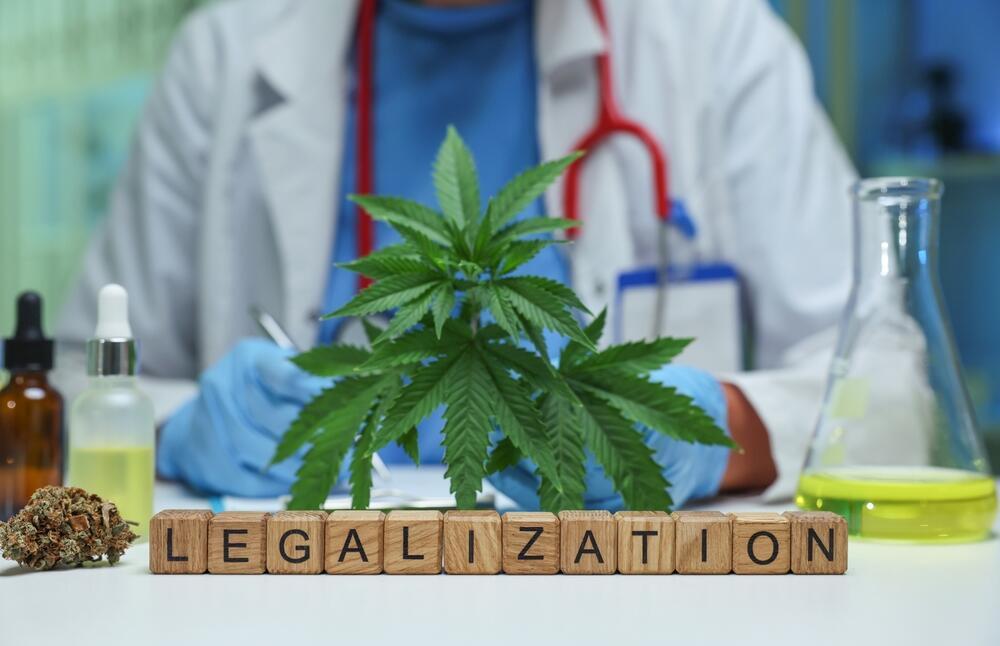
Legalization opened a new market, but also a series of health and regulatory questions
(Photo: Shutterstock)
For now, groups in the restaurant, alcohol and cannabis industries are lobbying Congress to change the law again or create a more orderly regulatory framework. Their argument is straightforward: If the public is already consuming these products, it is better to regulate them, set a minimum age, require clear labeling, define doses, add warnings and enforce quality control, rather than push the market deeper into gray areas.
No alcohol, but not risk-free
Even if cannabis drinks are presented as a healthier, or at least cleaner, alternative to alcohol, one point must be stressed: They are not risk-free.
THC is a mind-altering substance. It can affect perception, coordination, reaction time, decision-making and driving. In addition, unlike inhaled or smoked cannabis, products consumed through the digestive system may take longer to work, have less predictable effects and lead inexperienced users to take another dose too soon, before the first one has fully taken effect.
Some groups need to be especially cautious, including teenagers, pregnant women, people with a history of anxiety, psychosis or mental health disorders, users taking certain medications, older adults at risk of falls and, of course, children.
One of the main concerns among U.S. health authorities is accidental ingestion of THC products by children, especially when those products look like ordinary drinks, candies or snacks. Even if a THC drink is poured at a social gathering and feels more innocent than a joint, biologically, it still contains an active substance that affects the brain.
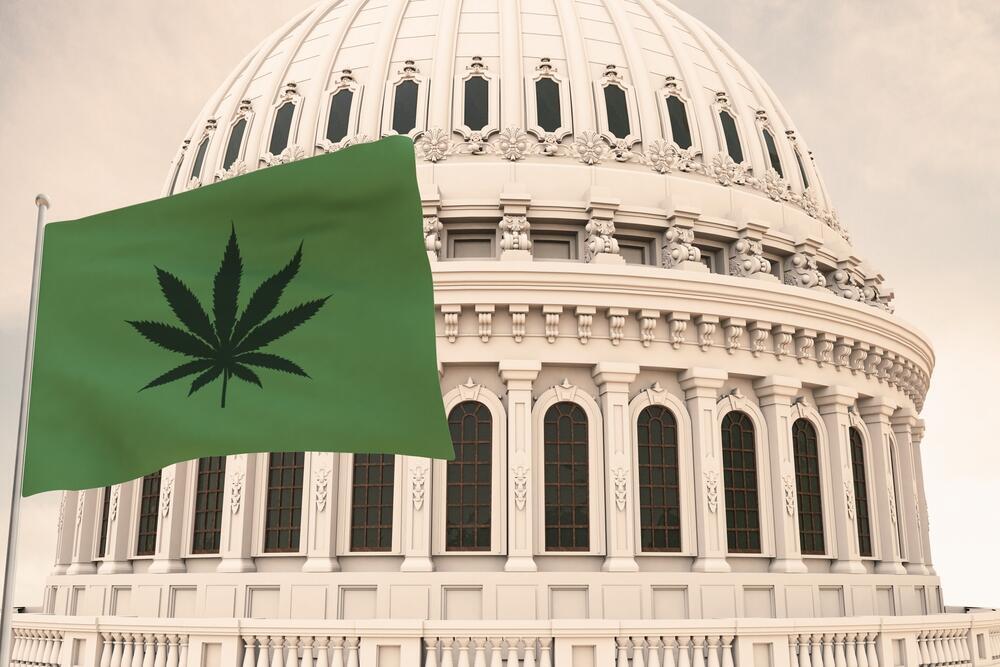
Between local legalization and federal law
(Photo: Shutterstock)
That is why the larger question is not only whether cannabis drinks will remain legal in the U.S., but how the public learns to understand them. They occupy a new and confusing category: a social drink with no alcohol, but still a mind-altering effect. That is what makes them so popular but also so concerning.
In a few months, the new federal law could bring the party to a halt and dramatically shrink the market. The industry may still succeed in winning looser regulation. But even if these drinks vanish from shelves or return in a different form, they have already pointed to something deeper.
Americans may be drinking less alcohol, but they are not necessarily giving up the desire to alter their state of mind. Instead of opening a bottle of beer, they are reaching for a different kind of can. The health question is whether replacing one intoxicating drink with another is truly a healthier revolution or simply the same culture with a new label.