

Social media trends have already brought us cheesecake in a yogurt cup, sardines in colorful tins and even dates seasoned with butter and salt. This time however, the hit is colorful, sweet and not especially healthy.
Swedish gummy candy has become the undisputed star of TikTok taste tests. Colorful bags of soft gummies are opened on camera, and users cannot stop ranking sour skulls and bright candy flowers.
Swedish candy
(Video: Sapir Gordo)


Swedish candy, known locally as Svenskt godis, has become a global phenomenon thanks to users documenting every bite. What began as curiosity about foreign flavors has turned into a full-blown craze, causing shortages and leaving everyone suddenly looking for friends flying to Sweden.
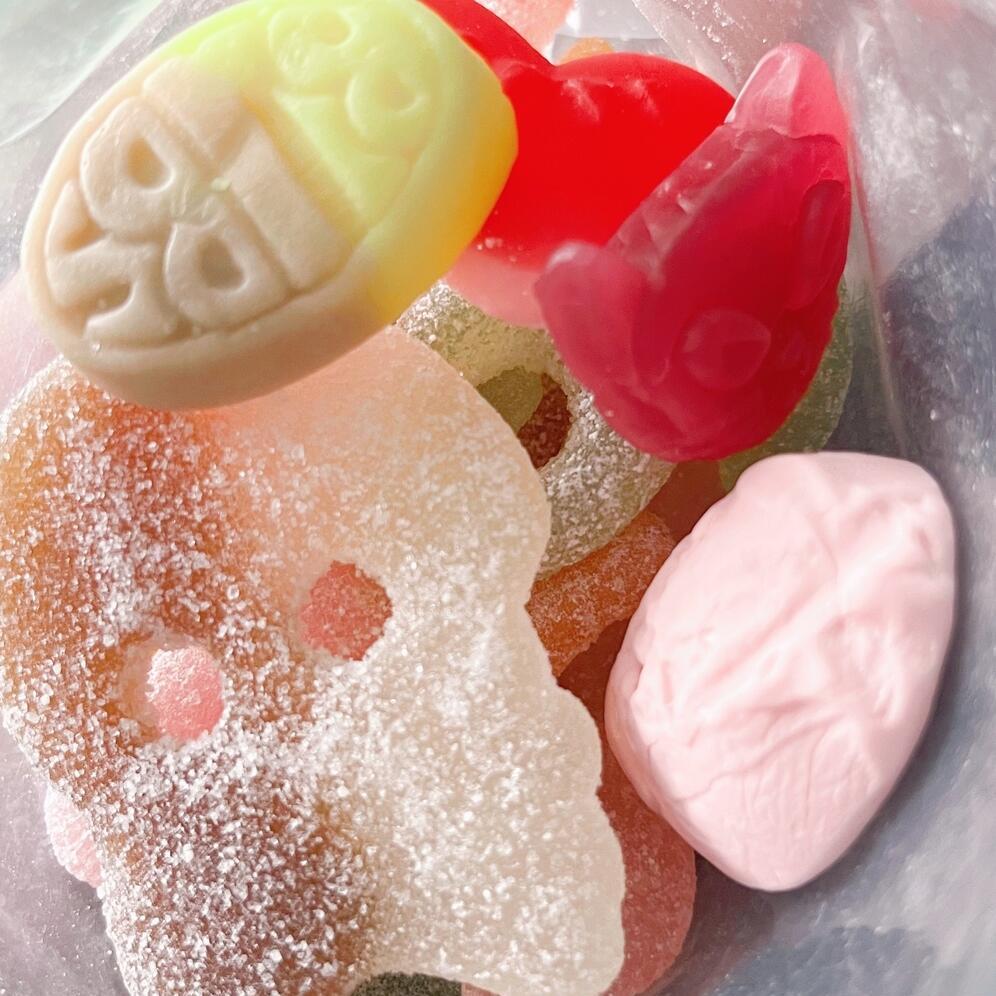
So why are Israelis, who grew up on cheap pick-and-mix gummies sold by weight, so excited? The answer starts with the texture. Unlike the chewy, tough gummy candies many people know, Swedish sweets have an airy, soft, foam-like texture that melts more in the mouth and is less likely to stick to your teeth.
The viral trend has long since moved beyond the social media feed, landing directly in Tel Aviv’s Carmel Market. At Matokshuk, a store that sells some types of Swedish candy, the price reflects its new status: 16.90 shekels per 100 grams, significantly more than other gummy candies.
Eyal Michaeli, who works at the store, says it is a real craze. "It’s a huge trend. All the teens are looking for this gummy candy, and people are really voting with their feet," he said. The quality and ingredients, he adds, are in a different league. "There’s no comparison between regular and Swedish gummies. They have very special flavors and a completely different texture."
In our tasting, the texture did prove chewy and fun. The flavors were softer, and the sour candies delivered, feeling very different from the familiar industrial-style gummies.
The dark secret behind the sweetness: Sweden’s Saturday candy tradition
The viral trend, it turns out, is rooted in a long-standing Swedish tradition known as Lördagsgodis, or Saturday candy, a beloved family ritual in which children and parents fill paper bags with pick-and-mix sweets. But behind the seemingly innocent custom lies a dark and fascinating history few outside Sweden know.
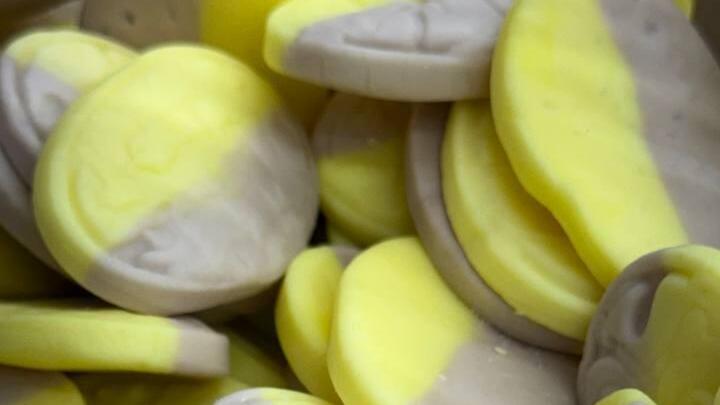
They started as a cruel experiment
(Photo: Sapir Gordo)
The tradition emerged after a controversial chapter in Sweden’s medical history known as the Vipeholm experiments. In the 1940s and 1950s, Swedish researchers working on behalf of the state and funded by the sugar and candy industries conducted ethically questionable experiments at Vipeholm Hospital in Lund, an institution for patients with intellectual disabilities.
The experiment was designed to clinically examine the link between sugar consumption and tooth decay. To obtain results, researchers fed patients, without their knowledge or consent, enormous quantities of sticky toffee candies specially made to cling to their teeth and accelerate decay.

(Photo: Sapir Gordo)
The devastating results provided the first scientific proof that frequent sugar consumption between meals causes far more serious dental damage than consuming a concentrated amount of sugar at one time. Following the findings, Sweden’s government launched a national health campaign in 1959 recommending that children’s candy consumption be limited to once a week, on Saturday.
What began as a strict public health recommendation became a national institution. Today, Lördagsgodis is largely detached from its grim history and instead celebrates the weekend supermarket ritual of choosing the perfect candy mix.
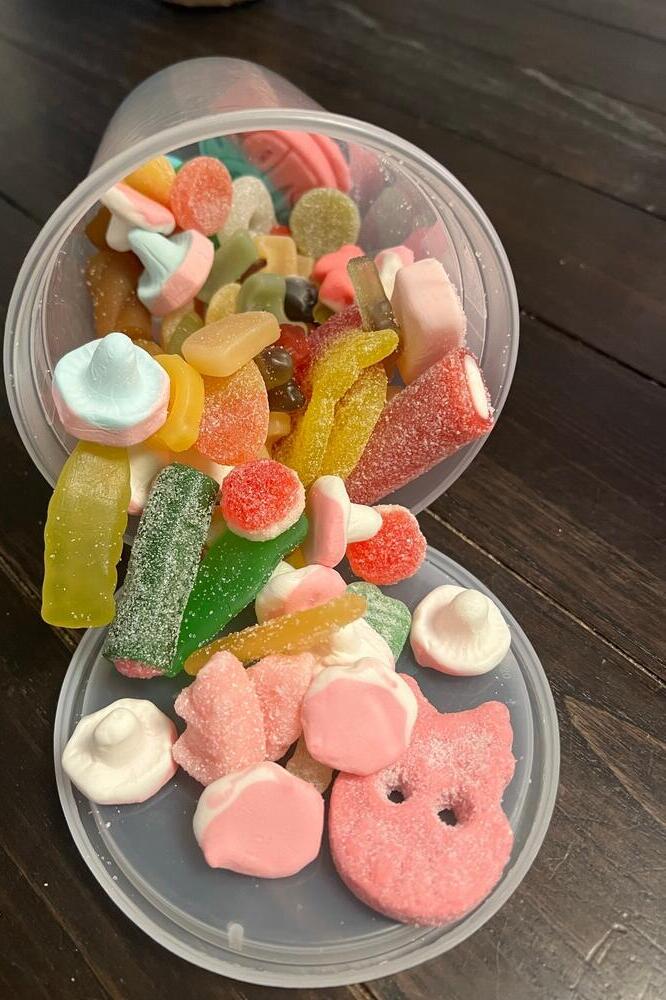
(Photo: Caity Schaefer/Shutterstock)
Part of the appeal of modern Swedish candy is its alignment with today’s values. Many Swedish manufacturers emphasize higher-quality ingredients and colors based on natural fruit extracts, and some offer a wide range of vegan options without animal gelatin or palm oil.
Swedish candy gives consumers the feeling they are choosing something slightly more refined and considered. Still, it's not a health food, and the treat is meant to be enjoyed in moderation.