

As coronavirus cases again soared in Israel, many who had dawdled over getting the vaccine against the virus have rushed to receive the first jab, the Health Ministry said Monday, reporting the highest number of vaccinations since March.
The Health Ministry said Monday that there had been 145 new cases of COVID-19 confirmed the day before, with 22 people hospitalized in serious condition including 16 on ventilators. Health officials also said that 13,446 people had received their first dose of the vaccine on Sunday.
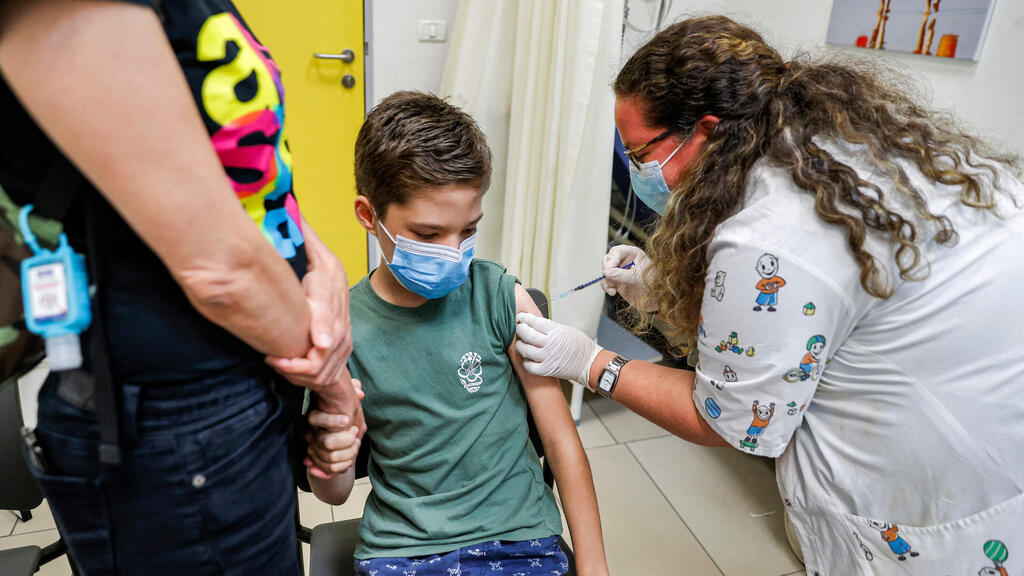
Israel led the world in its vaccination drive, rolling out a massive inoculation campaign in December 2020 that has seen most Israeli adults fully vaccinated. The campaign was extended to include children aged 12-15 after the FDA approved the vaccines for this use.
Prime Minister Naftali Bennett on Monday released a video on social media calling for young teens to receive their vaccines before the doses currently in stock in Israel reach their expiration date.
"Go out and get your first shots now, before July 9 or you may not have vaccines available," Bennett said.
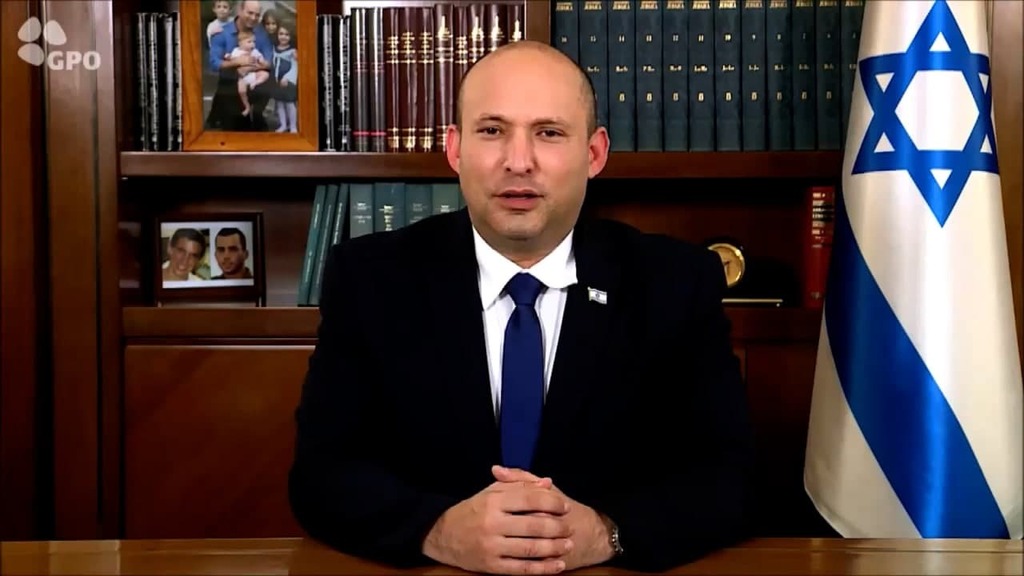
Prime Minister Naftali Bennett makes a video appeal to young Israelis to get vaccinated before the doses expire
(Photo: GPO)
A leading health expert warned Monday that the Delta variant has 13 to 17 mutations and is far more contagious than the other variants.
Professor Cyrille Cohen, the head of the Immunotherapy Laboratory at Bar Ilan University, told Ynet that infection can be caused in less than 15 minutes of proximity to a carrier of the virus.
"We need more time to understand the variant," he said, adding that "the important question is whether it causes more severe illness - there are conflicting reports on the matter."
"We must also determine whether the variant it is resistant to the vaccines and whether people who have already been infected by earlier variants of COVID-19 could become ill once again when exposed to the Delta variant. The coming weeks will be crucial in helping us to understand," Cohen said.

Prof. Cyrille Cohen: We need more time to understand the Delta variant
(Photo: Ynet)
Cohen also said medical experts recently identified a "Delta+" variant, which is believed to be even more infectious.
"We are concerned over the mutations in the virus spike that facilitate its entrenchment in our cells. Some mutations that help the virus attach itself more easily in our bodies have caused the increased spread we've recently observed," he said.
Asked whether a PCR test can identify the Delta variant, Cohen said that most PCR tests return a positive or negative result to infection, but do not indicate specific variants. In order to determine whether a person was infected by the Delta variant, a DNA sequencing must be carried out and that takes more time and more money.
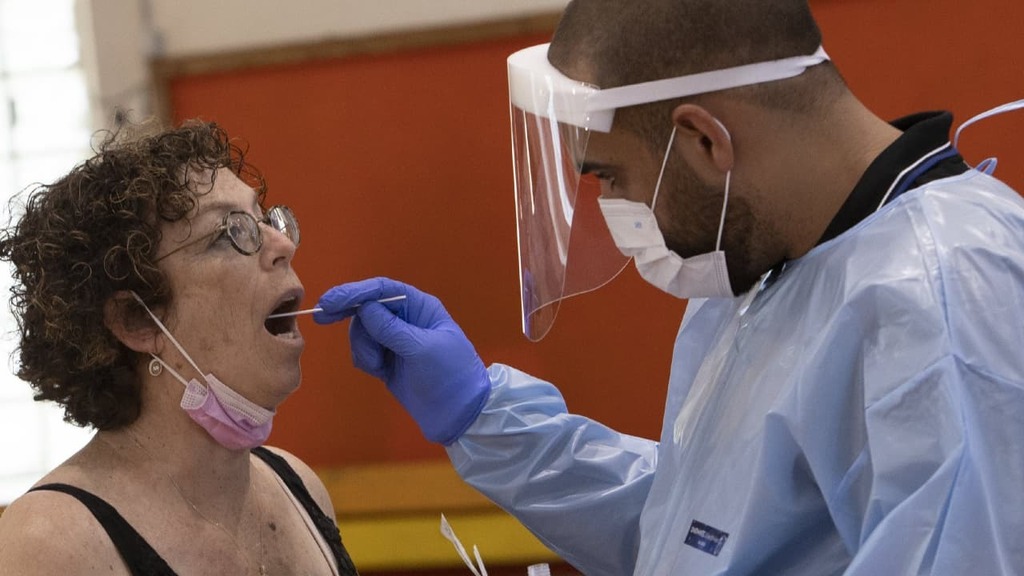
A woman is tested for coronavirus in Binyamina on Sunday
(Photo: Gil Nehushtan)
"We did the sequencing recently when there were few cases, but now that we have hundreds of cases a day, it is no longer done," Cohen said.
In its first meeting since the establishment of the Bennett government earlier this month, the coronavirus cabinet decided late Sunday that no new measures were needed to stop the spread of coronavirus caused by the recent outbreak.

Passengers wear masks on a Tel Aviv bus on Sunday after restrictions against COVID were again tightened in Israel
(Photo: Nadav Abas)
The Health Ministry on Friday renewed the requirement for masks in indoor settings.
Bennett said the mission of the government was to provide Israelis with maximum protection while causing minimal disruption to their lives.