

Most parents know the scene: A child enters a supermarket, spots the candy aisle and suddenly becomes fixated on brightly colored packages. Sometimes the pleading begins immediately. Sometimes it ends in tears, shouting and a very public tantrum.
In many homes, sweets are treated as an occasional dessert, never a substitute for a meal. Some families keep a designated snack drawer and then spend considerable energy explaining why its contents cannot be finished in a single day.
For many parents, limiting sugar feels like one more exhausting battle built into daily life. Yet some families have chosen a far more radical approach: They do not bring commercial candy into their homes at all.
How does such a rule work in practice? What happens when a child demands something sweet? And does banning candy at home only encourage children to eat it secretly elsewhere?
‘We are not fanatics’
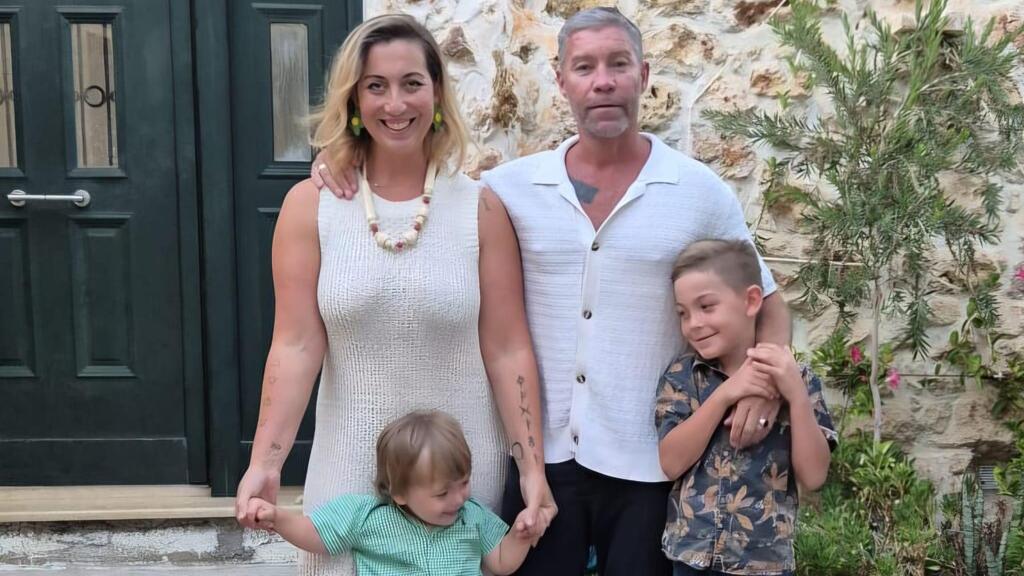
Elizabeth Abigail Pearson, a copywriter and neuromarketing specialist, and her husband, Simon, are raising four children aged 8½, 3½, 16 and 19. The couple, both in their second marriage, divide their time between Chania, Crete, and Tel Aviv.
Five years ago, they decided that candy would no longer be kept in their home.
“There was not one defining moment when everything suddenly clicked,” Pearson said. “It was a process. Over the past five years, both Simon and I have gone through a profound change in everything related to healthy living. We both work from home, love to cook and prepare fresh food almost every day.”
For Pearson, the reasoning is both physical and emotional.
“I strongly believe in the idea that food is medicine,” she said. “I have not taken medication for many years, and I always look for natural solutions through nutrition and herbal remedies. Processed sugar offers no value, certainly not for active, energetic boys like mine.”
As the couple learned more about nutrition, she said, they began viewing heavily processed products with long and unfamiliar ingredient lists as something other than real food.
“To be clear, we are really not fanatics,” Pearson said. “We both used to have a serious sweet tooth. But we wanted to understand how the body works and what it needs to cleanse and heal itself. In general, we want to remain young and energetic for our children. Mentally, we both still feel 25.”
The household rule is simple.
“When I see a product, read its label and do not understand half the words, that product does not enter our home,” she said. “We are not against sweetness. We are against junk. There is a huge difference between occasionally eating high-quality ice cream outside or preparing a healthy snack together and permanently keeping a drawer full of industrial candy.”
Pearson believes the lifestyle has had clear benefits.
“The children are almost never sick, they are energetic and at a healthy weight,” she said. “You also see the immediate effect on both body and mind. Sial, who is 8½, has some difficulty concentrating, and on days when he eats processed sugar outside the house, I immediately see a negative effect on his mood.”

‘The children are rarely sick, energetic and at a healthy weight.’ The Pearson children
Removing processed food, including industrial sweets, was one of the family’s first steps. But maintaining the rule still requires daily persistence.
“The children see gummy candy and sweets outside, and they are colorful, attractive and inviting,” Pearson said. “Sial sometimes goes alone with friends to buy things for a movie night. When they come back with neon-colored gummies, I am horrified just looking at them. At school, friends bring Oreo cookies, and Sial comes home asking us to buy them too.”
When the children keep asking, Pearson says she does not give in.
“I explain clearly: ‘Every family has its own rules. In our house, we eat healthy food and do not buy poison,’” she said. “I will not forbid them from eating sweets outside at birthday parties or friends’ homes, but I make sure they understand what they are putting into their bodies. If even 80% of that awareness sinks in, I have done my job.”
Her oldest son is now 16 and has his own money.
“There was a period when he devoured snacks,” she said. “I never bought them for him, and when I saw him eating them, I would tell him directly, with a smile, that it was a shame he was poisoning his body.”
Over time, she said, he developed his own awareness.
“Today, he prioritizes protein and real food because it is important to him to look and feel good.”
The family relaxes its rules during celebrations.
“At special events and birthdays, there is a celebration and the children can eat what they want,” Pearson said. “Nothing will happen from eating something once. The problem is when it becomes a daily habit inside the home.”
When friends visit, the family offers fruit, homemade popcorn, oat snacks, high-quality chocolate and natural gummies from a health food store. Homemade sweets are prepared with date syrup, molasses or coconut sugar.
“The goal is not to prevent enjoyment,” Pearson said. “It is to teach them how the body works and how to make better choices.”
Real, fresh and simple food
Moran Lee Patterson, a self-employed designer and mother of two children aged 6 and 11, lives in the Golan Heights.
Her decision not to keep sweets at home grew out of her own health experience.
“It began after I was dealing with a thyroid disorder,” Patterson said. “I started reexamining my diet and completely removed gluten and sugar. I felt better and realized that I wanted to adopt this way of life.”

‘The children don’t feel they’re missing out.’ The Patterson family
After her oldest child was born, she decided to pass those habits on.
“I understood that it was important to teach them the values I believe in: listening to the body, making conscious food choices and understanding that eating habits are formed at a young age,” she said.
The approach, Patterson stressed, is not based on fear or punishment.
“I wanted to raise them on real, simple and nutritious food,” she said. “I believe what we eat affects our health, energy levels and relationship with food later in life. I wanted my children to grow up knowing the taste of fruit, vegetables and home-cooked food, rather than having sweets at the center of their diet.”
The family mainly eats what Patterson describes as natural, clean Mediterranean food.
“The biggest advantage is that the children simply do not feel they are missing anything,” she said. “My older son almost never asks for candy. At a birthday party, he will eat cake, and on a trip he may choose one snack. But in daily life, he mainly enjoys fruit, which for him is his favorite sweet.”
The home contains no sweetened drinks or products carrying Israel’s red warning label for high sugar content.
Instead, the family keeps ice cream, sometimes with no added sugar, fruit smoothies, dark chocolate, homemade cakes sweetened with honey and pancakes served with date syrup.
“We simply choose differently,” Patterson said.
At birthdays, her children participate like everyone else. When friends visit, Patterson serves food according to the family’s own standards, including cut fruit, smoothies and homemade dishes prepared from ingredients she selects.
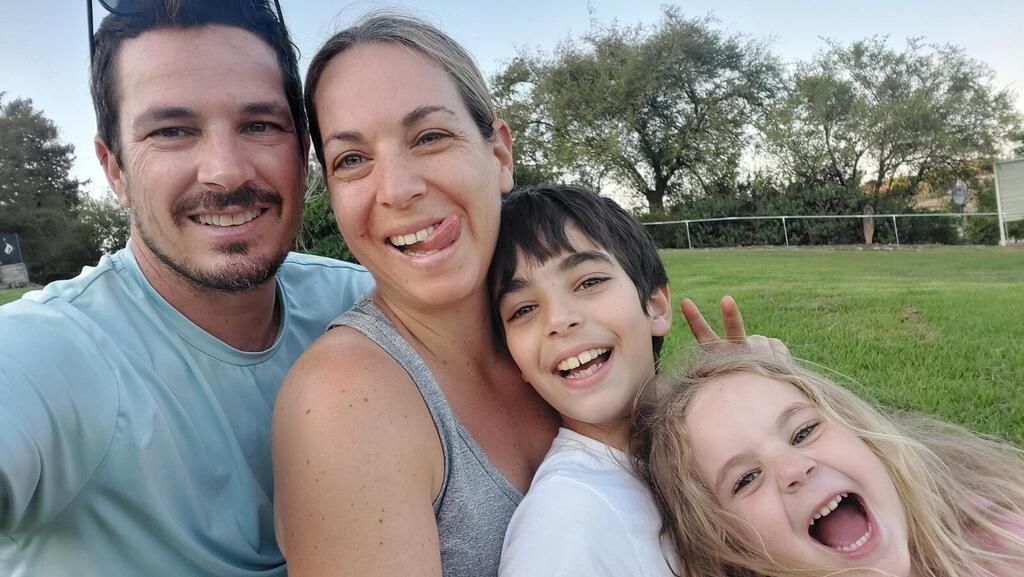
‘At birthday parties, the children join in like everyone else.’ The Patterson family
“My goal is not to prevent the children from fitting in socially,” she said. “It is to create a healthy foundation at home.”
The real challenge, she said, begins outside.
“Society encourages candy consumption, and you see it during holidays, events and social gatherings,” Patterson said. “Outside the home, you also need to know how to let go and understand that occasional exposure is part of life.”
Balance, in her view, means maintaining the family’s routine most of the time while allowing flexibility on special occasions.
Her advice to parents is to remove sweets from sight and easy reach, explain the family’s choices in age-appropriate language and gradually stop buying commercial candy while offering alternatives.
“Children do not need a perfect diet,” Patterson said. “They need parents who are trying to create a healthy and consistent environment for them.”
A matter of values
Amber Gat Roga, a caterer, healthy-cooking workshop instructor and producer of raw chocolate and fermented vegetables, lives in Pardes Hanna with her husband, Yair, and their 8-year-old son, Tevel.
For the family, avoiding commercial candy was never a dramatic decision. It was simply part of how they already lived.
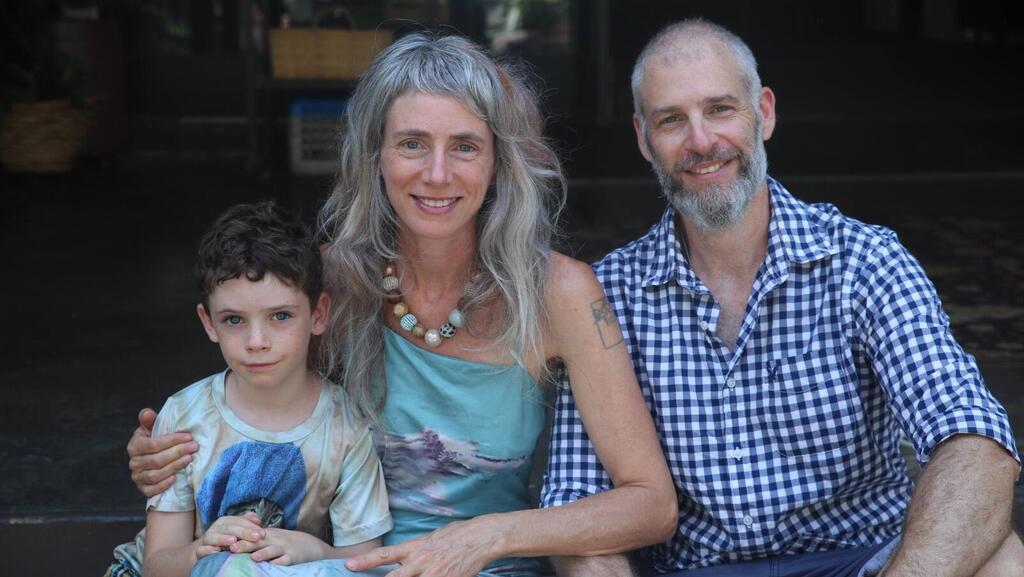
Amber, Yair and Tevel Gat
(Photo: Daniel Levy, Magnetical)
“We have no television at home and no sugar, so we never had to make a decision or try to wean our son off either of them,” Gat Roga said.
Fresh fruit and vegetables are always available, along with homemade sweet and savory snacks prepared from nourishing ingredients.
“I know how to make them not only healthy but also delicious, without processed sugar,” she said. “People forget that sweetness can come not only from sugar but also from maple syrup, date syrup, dates, bananas and many other less familiar options.”
For Gat Roga, the rule reflects a broader family value system.
“My husband and I care about what we bring into our home and put into our mouths, so of course we raised our child that way from the beginning,” she said. “Our values are something we live, not just something we talk about.”
The family also tries to reduce unnecessary consumption in general. They mostly wear secondhand clothing and see little reason to buy package after package of industrial food loaded with sugar and salt.
Still, living differently can create friction.
“There is no doubt that in a different environment, where commercial snacks, candy and many hours of screen time are the norm, it is less pleasant to be unusual,” Gat Roga said.
For a time, Tevel attended an after-school program where staff and other parents did not understand why the family objected to children being served jam cookies and tea with sugar.
“The sugar was only one symptom,” she said. “We understood the message and moved him elsewhere, where he is flourishing and happy and where we feel calm about his nutrition.”
Today, she said, Tevel does not expect to choose a shiny, rustling package at the supermarket. She believes he has also developed an awareness of flavors and how different foods affect him.
The family distinguishes clearly between what happens at home and what happens elsewhere.
“When Tevel visits a friend, I know there is a chance he will taste or eat something we do not eat at home,” Gat Roga said. “We do not interrogate other parents or give them conditions.”

Birthday? A perfect vegan chocolate cake. Amber, Yair and Tevel Gat
She said her son also does not gorge on snacks outside simply because they are unavailable at home.
“To me, that is the best sign that we are not creating a sense of deprivation,” she said.
When friends visit their home, they eat what Tevel eats: homemade granola, popcorn, nuts, chocolate balls, strawberry-coconut smoothies or energy bites.
“They do not need to know there is no sugar in it,” she said. “What matters is that they are satisfied.”
Birthday cake is the exception.
“There is a perfect vegan chocolate cake that we will never replace,” Gat Roga said. “It contains organic cane sugar, and we are completely fine with that once a year.”
Even in Pardes Hanna, an area she describes as highly conscious of physical and mental health, the family is still considered unusual.
“We are seen as exceptional or even weird because of this decision,” she said. “Sometimes I notice raised eyebrows, as if people are asking, ‘What does that poor child do when he wants something tasty?’”
In reality, she said, there is no drama around the issue at home.
“At first, relatives complained and rolled their eyes,” she said. “Over time, they saw that the world does not collapse when a child devours watermelon instead of ice cream. On the contrary, the world makes much more sense that way.”