


A new study by the U.S. Food and Drug Administration has raised red flags over the potential liver damage caused by cannabidiol, or CBD, even at relatively low doses.
The research, published in the Journal of the American Medical Association (JAMA), found that 5.6% of participants who consumed daily oral CBD for four weeks showed signs of liver injury, despite having no symptoms. The findings come amid a surge in the use of CBD, a non-psychoactive compound found in cannabis and often marketed as a natural remedy for pain, anxiety, insomnia and other conditions.
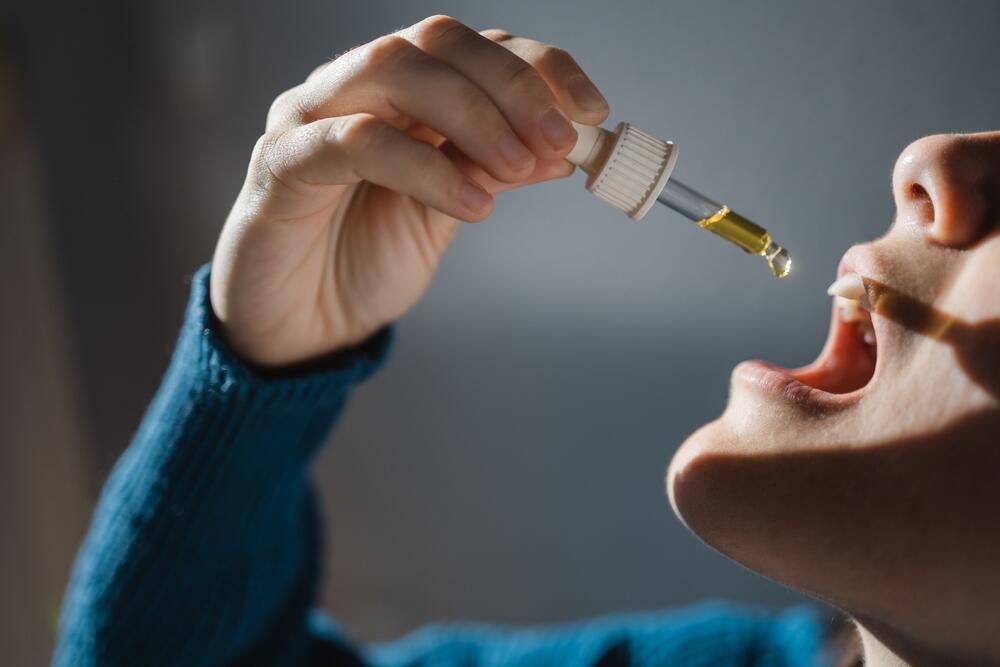
Sales of CBD products in the United States rose from $108 million in 2014 to nearly $2 billion in 2022, according to market research. The compound now appears in oils, gummies, capsules, foods, and creams sold over the counter.
In the FDA-led study, 201 healthy middle-aged adults were randomly assigned to receive either a placebo or a daily CBD dose of 5 milligrams per kilogram of body weight—roughly 350 milligrams for the average adult. Over the course of the month, eight participants developed a threefold or greater increase in ALT, an enzyme that signals liver inflammation or damage. Seven others withdrew from the trial after showing clinical signs consistent with liver toxicity.
"Of those eight, only one had symptoms like abdominal pain," said Dr. Tarek Saadi, an Attending Physician at the Gastroenterology Institute and the Liver Unit at Rambam Health Care Campus. "The rest felt fine, but their blood tests clearly showed liver inflammation caused by CBD. If not caught in time, it could worsen and lead to liver failure."
Saadi said the enzyme levels returned to normal within two weeks after participants stopped taking CBD. “The liver can recover, but only if the harmful agent is removed in time,” he said.
The study also observed elevated eosinophil counts—white blood cells typically associated with allergic reactions—in seven of the eight affected participants. Saadi said this suggests an immune-related mechanism behind the liver injury.
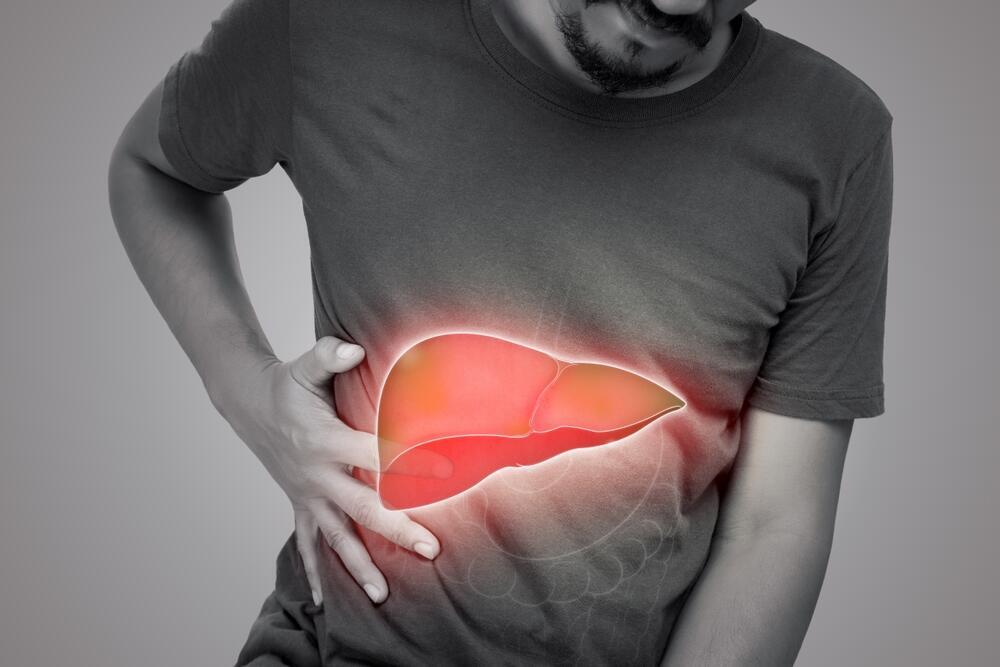
(Photo: Shutterstock)
Dr. Reuven Dressler, a family physician and addiction specialist at Clalit Health Services in Jerusalem, said the findings were significant, particularly because participants took CBD orally—rather than by smoking—and still experienced liver damage.
“More than 5% of participants developed liver injury. That’s not a small number,” Dressler said. “The damage was only found through lab tests. These people felt completely fine.”
Dressler emphasized that while CBD is not intoxicating like THC, its safety profile is far from benign. “There’s no strong medical evidence proving the benefits of CBD on its own,” he said. “And some people experienced liver damage without knowing it. Who knows what it’s doing to the brain, or to hormones? This study only looked at one angle.”
Get the Ynetnews app on your smartphone: Google Play: https://bit.ly/4eJ37pE | Apple App Store: https://bit.ly/3ZL7iNv
The study also pointed to a potential gender difference in liver vulnerability. Five of the eight participants with elevated enzyme levels were women.
“We know women are more sensitive to liver damage caused by drugs. It’s likely genetic,” said Saadi. He also cautioned that people with liver conditions such as hepatitis B, hepatitis C, or fatty liver disease are at higher risk and should undergo routine liver testing if using CBD.
 Dr. Tarek SaadiPhoto: Rambam Heath Care Campus
“It’s extremely important for daily CBD users—especially those with underlying conditions—to get regular liver function tests,” he said.
The liver damage, according to both experts, is usually silent. "Only one person had pain,” said Saadi. “The rest showed no symptoms at all. That’s the danger. People feel fine while their liver is deteriorating.”
In Israel, CBD products are not sold freely in stores as they are in the United States. Instead, patients can access CBD as part of a prescribed cannabis oil or flower under a medical license. “That certainly reduces the risk,” said Dressler, “but oversight is still limited.”
While CBD is not currently classified as a known cause of liver failure, the FDA findings have sparked new concerns over its unchecked popularity. As more potent products hit the market, experts warn that the risks may escalate.
Researchers recommended that physicians ask patients about CBD use and conduct routine liver function tests in those who report frequent use. “Monitoring can save lives,” said Saadi. “The liver doesn’t always signal distress—but when it fails, it may be too late.”