

Recent research has increasingly pointed to a link between sleep quality and oral health, particularly gum disease, tooth wear, bruxism and other dental problems, according to scientific literature published in recent years.
Researchers caution, however, that most of the existing evidence is based on observational studies. That means the findings show correlation rather than definitive proof of cause and effect. Still, the data suggest a possible two-way relationship between sleep and dental health.
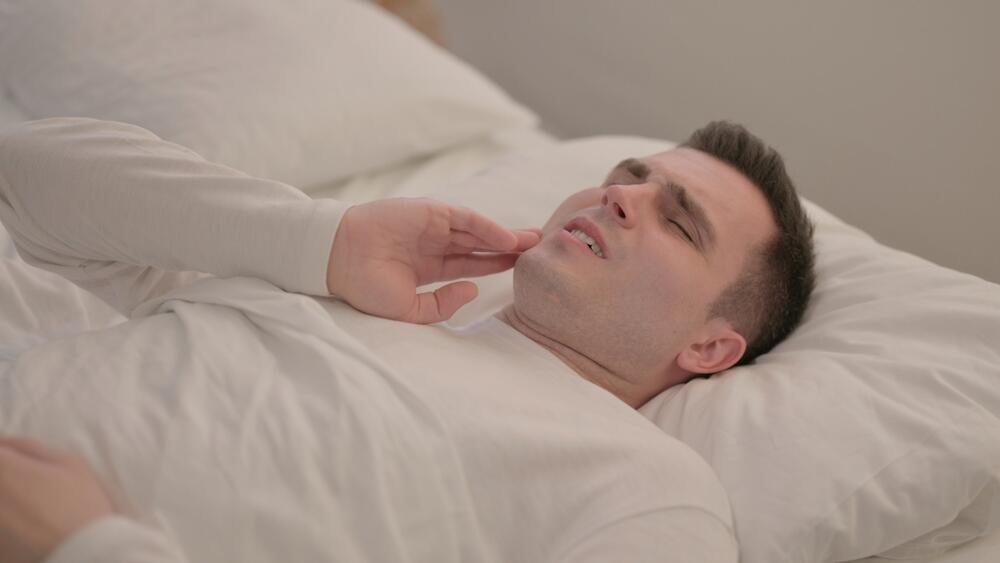
On one side of that relationship, poor or fragmented sleep has been associated with higher levels of systemic inflammation, impaired immune function and changes in saliva composition and the oral microbiome. These mechanisms are known to affect gum health and may worsen existing inflammatory processes. Several studies have found that people who report low sleep quality show higher rates of signs of periodontal disease, even after adjusting for factors such as age, smoking and oral hygiene habits.
At the same time, chronic gum disease and active dental problems may themselves disrupt sleep. Periodontal inflammation is often accompanied by pain, sensitivity, discomfort and bad breath, all of which can interfere with falling asleep and contribute to nighttime awakenings.
Nighttime tooth grinding and clenching, known as bruxism, is considered a sleep-related disorder. The term includes not only grinding but also excessive jaw clenching. Bruxism can lead to enamel wear, tooth sensitivity, muscle and jaw pain, headaches and in severe cases fractures of teeth, crowns or dental implants. Bruxism has been linked to psychological stress, tension and anxiety and may occur alongside other sleep disorders, including obstructive sleep apnea. Diagnosis is typically made by a dentist with expertise in temporomandibular joint disorders and chewing system problems.

(Photo: Shutterstock)
Treatment options include a custom-fitted night guard, physical therapy targeting the head and neck area, stress and anxiety reduction, medication when needed and injections of botulinum toxin, commonly known as Botox. In some cases, additional restorative dental treatment is required. When there is suspicion that a breathing-related sleep disorder is worsening bruxism, evaluation at a sleep clinic is recommended to diagnose sleep apnea or other sleep disturbances.
Botulinum toxin is considered an effective treatment for bruxism and involves injecting small amounts of the substance into the main chewing muscles, particularly the masseter muscle. The treatment temporarily weakens the muscles, reduces clenching intensity and tooth wear, significantly relieves facial and jaw pain and helps prevent further dental damage. Its effects typically last three to six months and require repeat maintenance treatments.
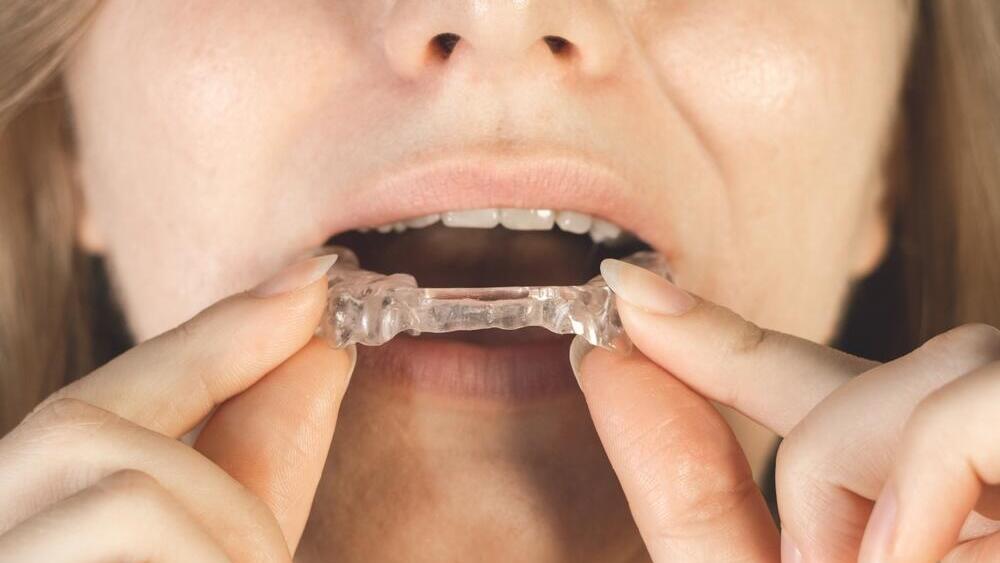
Night guard for the treatment of bruxism
(Photo: Shutterstock)
Clinicians note that when sleep quality declines, inflammatory processes in the mouth often worsen. At the same time, active dental problems can further impair sleep, creating a self-reinforcing cycle. Proper diagnosis of bruxism and jaw clenching, use of a night guard and sleep evaluation when appropriate can lead to significant improvements in both oral health and sleep quality.
Overall, researchers suggest a bidirectional cycle in which poor sleep may exacerbate gum disease and bruxism, while dental disease may undermine sleep quality, reinforcing the problem over time. They emphasize, however, that long-term prospective studies are still needed to determine whether the relationship is fully causal and to clarify the dominant direction of influence.
What can be done in practice?
Practical steps that may support both sleep quality and oral health include:
- Maintaining continuous sleep of about seven to eight hours per night for adults.
- Brushing teeth daily, preferably with a soft electric toothbrush, using dental floss and antiseptic mouth rinses.
- Regular dental checkups, including professional cleaning by a dental hygienist every six months.
- Using a custom-made night guard in cases of nighttime tooth grinding or jaw clenching, known as bruxism.
- If there is suspicion of tooth wear or excessive jaw clenching, consulting a dentist who specializes in temporomandibular joint disorders and chewing system problems is recommended. When necessary, a sleep clinic evaluation may help identify conditions such as sleep apnea or other sleep disorders.
These steps are not a substitute for individualized medical evaluation, but they may help reduce the risk of gum and dental problems and improve sleep quality.
The author is a dentist specializing in root canal treatment at the Department of Endodontics at the Goldschleger School of Dental Medicine at Tel Aviv University and the director of a private specialist dental clinic in Tel Aviv
First published: 23:47, 12.29.25