

A simple Instagram Q&A with Israeli food influencer Danielle Amit took a sharp turn when she revealed the reason she stopped using gel nail polish: a painful condition called onycholysis, which causes the nail to detach from the nail bed. The diagnosis, she said, came after prolonged use of gel polish.
The condition—marked by nail separation, discoloration and sometimes infection—has become increasingly common, say dermatologists. “Every week at least two women come into my clinic with this issue and the numbers are only rising,” said Dr. Gil Tauber, a dermatology specialist with Maccabi Healthcare Services.
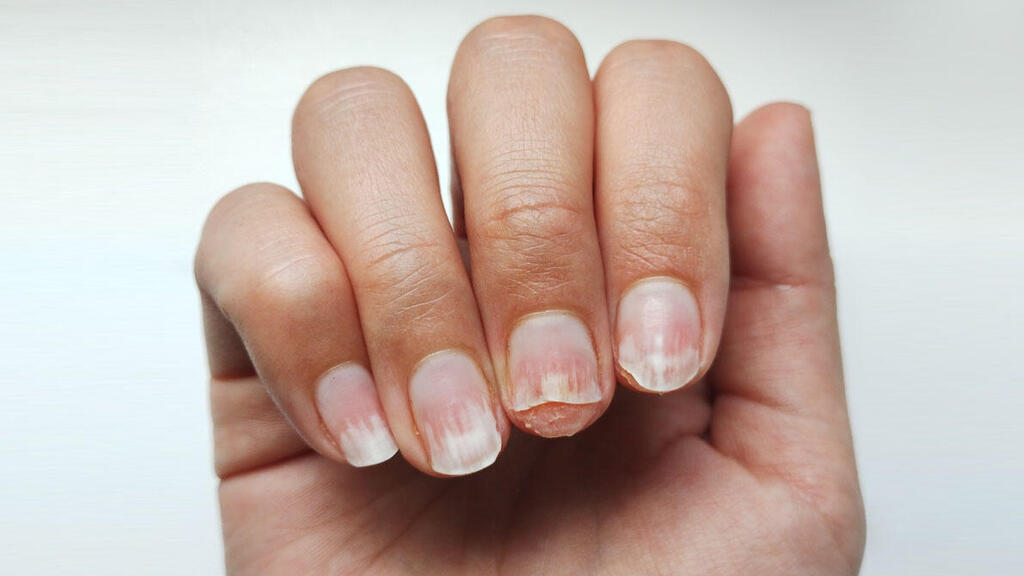
While many women refer to the issue as “onycholysis,” experts clarify that it’s actually a symptom of a broader allergic condition—often contact dermatitis. “The acrylic adhesive used in gel polish is a known trigger,” said dermatologist Dr. Eran Ellenbogen.
“This allergic reaction can appear suddenly—even after months or years of safe use—and often results in detachment of the nail, color changes, redness, itching and in some cases, severe pain.”
Pain, disfigurement and long recoveries
Several women shared their stories:
Yulia Zakharin, 43, a banker from Rehovot, said she had no issues with powdered gel polish for years—until switching to a new manicurist. “At first I didn’t notice anything because the gel covers everything,” she said.
Get the Ynetnews app on your smartphone: Google Play: https://bit.ly/4eJ37pE | Apple App Store: https://bit.ly/3ZL7iNv
“But once the polish came off, I saw one nail was practically falling off.” She endured months of pain and nail loss. “I love how gel nails look,” she said, “but the recovery was hell.”
(Photo: Shutterstock/ASAP Creative)
Liza Levi, 39, a kindergarten teacher from Jerusalem, developed an allergy after trying a new technician without formal training. “My nail turned green and detached,” she recalled. Her doctor diagnosed a fungal infection and prescribed strong steroids.
When she returned to gel polish later, her condition worsened, with nail separation, burns and internal bleeding. “It’s deeply frustrating,” she said. “I’m single and dating, and nails are part of my femininity.”
Racheli Ben-Hemo, 33, a behavioral therapist from Afula, noticed yellow patches and nail separation two years ago. Her manicurist dismissed it but things deteriorated quickly. “Eventually I told her to take it all off,” she said. “It took four months to recover, and I haven’t worn polish since.”
No cure—only prevention
Unfortunately, the only proven treatment is full avoidance of gel polish. “There is no medical cure for allergies to gel polish ingredients, just like there isn’t for nickel,” said Dr. Tauber. “Patients don’t want to hear that, and many keep trying hypoallergenic versions—but those still contain acrylic adhesives, which are the trigger.”
Recovery involves keeping the area dry, trimming separated nails, applying antifungal creams and moisturizing frequently. “The healing period ranges from two months to four months,” said Tauber, who stressed that once an allergy is triggered, it’s permanent. “The next exposure causes a faster, more severe reaction.”
(Photo: Shutterstock)
Amit’s story isn’t unique—and dermatologists say the public should know what to look for. Symptoms of onycholysis include nail lifting, yellowing and pain. “When I see detachment in several fingernails but not toenails, it’s usually an allergy to gel polish,” Tauber explained.
Despite the warnings, many women say they’re likely to go back. As Levi put it: “Will I do it again? Probably. But only with a certified technician. Right now, I’m giving my nails time to heal—because it looks bad and it hurts a lot.”