

When we reach for a bottle of mineral water, it often feels like we’re making a healthier choice, certainly cleaner than tap water. But while the water itself may be pure, the packaging, which involves plastic, tells a different story.
A new study finds that bottled mineral water is far from pristine: each sip may contain microscopic plastic particles invisible to the naked eye. These particles can enter the body, bypass its defenses, and potentially lodge in vital organs.
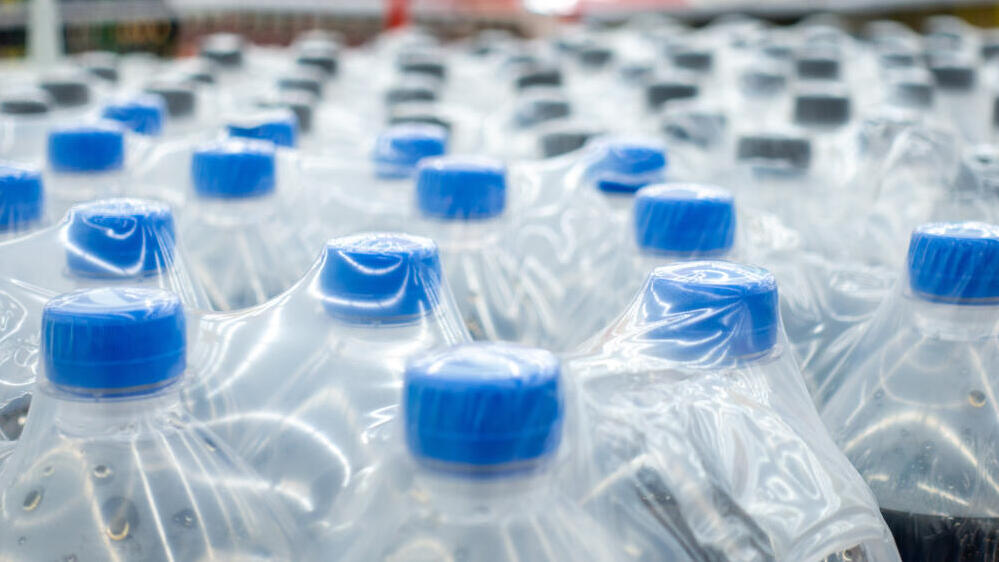
The research was conducted by Canadian scientist Sarah Sajedi, who was inspired during a vacation in Thailand, where she noticed the sand was littered with fragments of plastic, much of it from water bottles. The sight, she said, emphasized the extent of the plastic problem, not just in nature but inside our bodies.
Published in the Journal of Hazardous Materials, Sajedi’s study estimates annual ingestion of 39,000–52,000 microplastic particles by individuals, with bottled water consumers ingesting up to 90,000 more particles than tap water consumers. Some of these particles are as small as a single micron, one-thousandth of a millimeter.
How does this happen? Sajedi explains that microplastics form throughout the bottle’s lifecycle, from production and storage to transportation and exposure to sunlight.
During everyday use, water bottles are often subjected to repeated opening and closing, and even the simple act of squeezing a bottle to drink can cause abrasion and friction between the bottle material and water. These actions may result in the shedding of nano- and microplastic particles into the water.
What makes these particles especially concerning, she says, is that they are consumed directly, not through the food chain, which may have direct and severe consequences for human health.
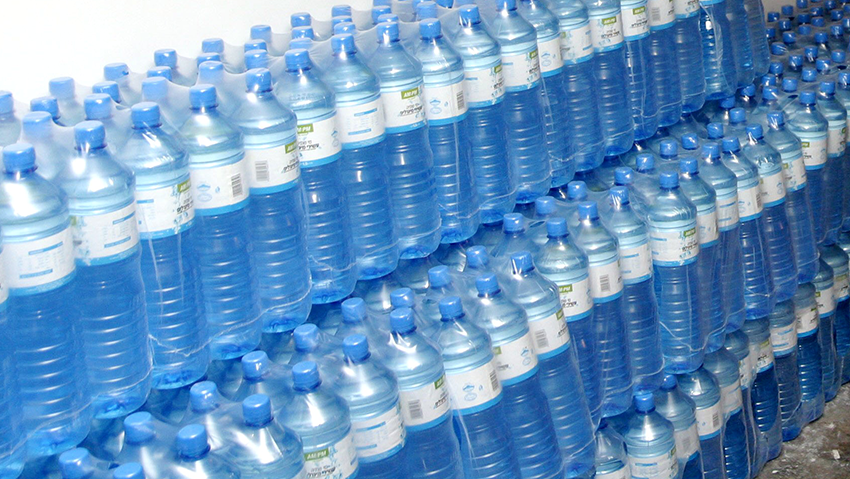
"No conclusive evidence yet links microplastic exposure to serious health risks in humans"
(Photo: Yariv Katz)
Once inside the body, they can enter the bloodstream, ultimately reach vital organs and potentially lead to chronic exposure that poses risks such as respiratory diseases, reproductive issues, neurotoxicity, and potential carcinogenic effects.
Still, the study highlights the lack of standardized testing methods, making it difficult to assess long-term health impacts accurately.
The WHO has been monitoring microplastics in drinking water in recent years but urges the public not to panic. According to its latest report, scientific knowledge remains limited, testing methods are inconsistent, and no conclusive evidence yet links microplastic exposure to serious health risks in humans.
The WHO recommends that countries focus on improving water filtration systems, which could help reduce microscopic contaminants.
For now, the organization says, the primary threats to water quality come from biological and chemical pollutants, not microplastics. It also sees no justification, at this stage, for routine monitoring of microplastics in drinking water until more definitive health data becomes available.
While many countries have taken steps to reduce plastic use, such as banning single-use bags and straws, Sajedi says water bottles have largely escaped regulatory scrutiny.
She believes the most effective way to drive change is through education and greater public awareness. She says that there’s nothing wrong with drinking bottled water when there is no other option, but it shouldn’t be a daily habit. The danger isn’t acute toxicity, it’s the chronic kind that builds up slowly over time.