

A new “universal vaccine” designed to target a wide range of viruses and developed with the help of AI could prevent pandemics and save millions of lives, according to scientists at the University of Cambridge in England working with the biotechnology company DIOSynVax.
This is the first time a vaccine whose active component was fully designed through computer simulations has been tested in humans and shown to be beneficial. DIOSynVax was founded in 2017 by the University of Cambridge through its commercial arm.
Gallery
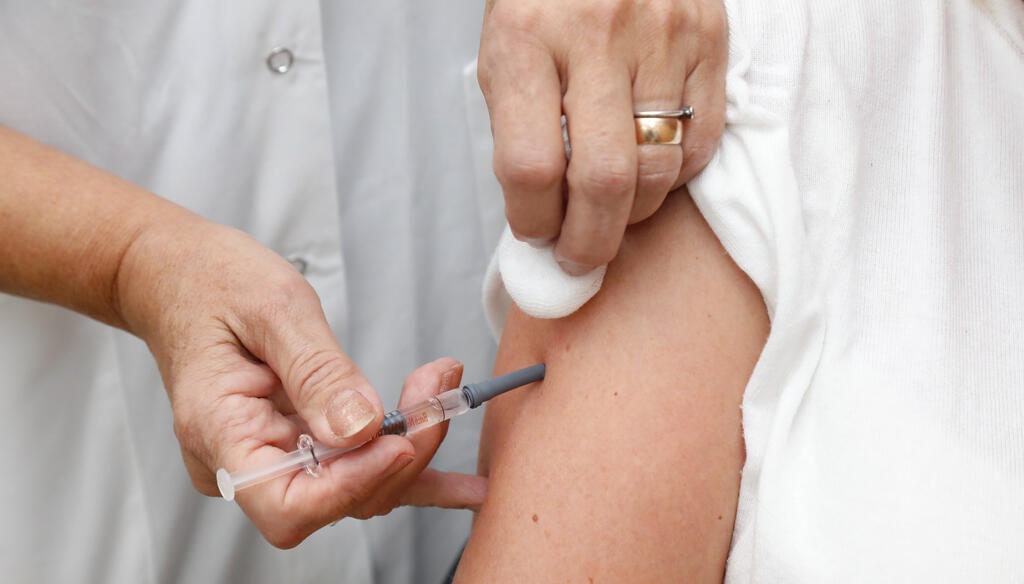
A new 'universal vaccine' developed with the help of AI could prevent pandemics and save millions of lives
(Photo: Shaul Golan)
Technology that could protect millions
The technology is a new vaccination approach that may provide immunity against entire families of viruses and protect people from all future mutations with a single shot. It could stop pandemics before they begin, save lives and reduce the need for population-wide lockdowns during outbreaks. According to the new study, it may offer broad protection against thousands of viral variants, including the dangerous Ebola virus.
The first clinical trial of the universal vaccine, conducted at the clinical research facilities of the UK National Institute for Health and Care Research in Southampton and Cambridge, found that the vaccine is safe and has no significant side effects.
The “super-antigen” (an antigen is the active substance that triggers the body’s immune response) is developed using machine learning that analyzes past and present outbreaks to determine what is needed to withstand viruses. Experts have described the approach as a major paradigm shift and a response to a world struggling to keep up with the pace of emerging diseases and vaccine development.
Existing vaccines use antigens from specific virus strains already identified in humans. In contrast, the new universal vaccine combines common features across an entire virus family. Researchers use all available genetic sequence data from viruses recorded by global surveillance programs to create a “super-antigen.”
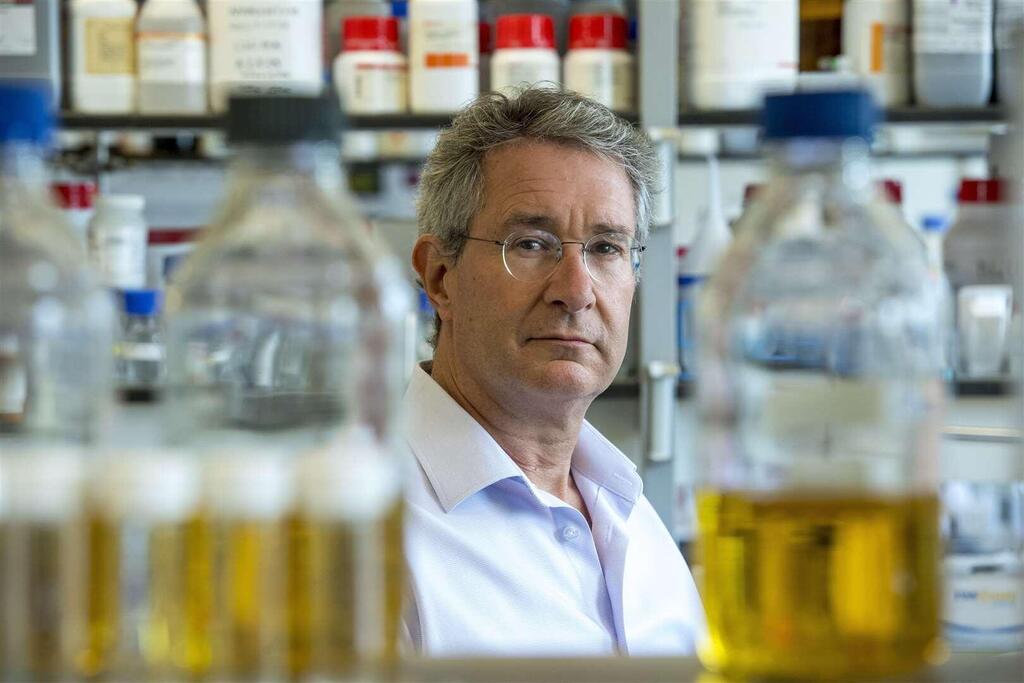
Professor Jonathan Heeney from the Department of Comparative Pathology at the University of Cambridge
(Photo: University of Cambridge)
According to the lead scientist of the study, Professor Jonathan Heeney from the Department of Comparative Pathology at the University of Cambridge, “What that COVID pandemic taught us is how fast we can make vaccines, but we're still using the old paradigm. This is about making one vaccine that will get them all based on their relationships.”
The first trial, published in the Journal of Infection, included 39 healthy volunteers aged 18 to 50 who received the vaccine in Cambridge and Southampton. It was administered as a DNA vaccine without needles, using a high-pressure liquid jet to deliver it directly into skin cells.
Researchers found the vaccine is safe and that it triggers an immune response to both SARS-CoV-2 and the deadly SARS virus, as well as bat-origin viruses that could potentially jump from animals to humans. Vaccines developed in this way may protect against future emerging viruses.
The technology also reduces the need for frequent updates, a fundamental limitation of current vaccines. A previous animal study of the vaccine also found it triggered a strong immune response against a range of coronaviruses.
The planned second-phase trial is expected to be larger and include more than 200 participants. It will test the vaccine’s ability to generate immune responses in a broader and more diverse population. Professor Heeney s hopeful that the technology can be a "game changer" that makes vaccines "far better, broader, and give more robust protection."