


Zambia's Supreme Court has overturned the conviction of Violet Zulu, a 26-year-old mother of two who was sentenced to seven years in prison after inducing her own abortion. This case has reignited debate over access to legal abortion in the country.
Zulu represented herself in court without fully understanding the consequences of her guilty plea. For nearly two years, she did not see her two children or other family members. She was released only after international human rights organizations learned of her case and helped file an appeal.
Now free after her release last month, Zulu told AP that she felt abandoned at every stage of the way, by her partner who left her when she became pregnant, by the public health system that refused to provide a legal abortion, and by a justice system that sent her to prison after she ended the pregnancy herself. Her story represents many women across Africa who are forced into desperate decisions when confronted with barriers to accessing legal abortion services.
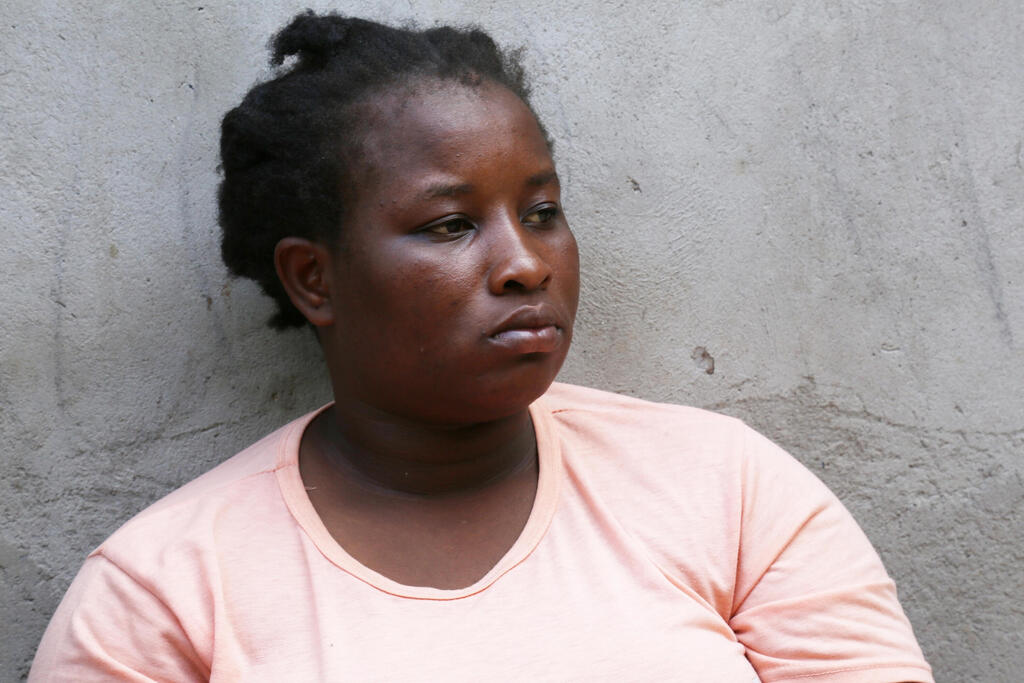
The case began in Lusaka, Zambia’s capital. Zulu, who works as a cleaner earning about $40 a month, discovered she was pregnant and initially sought a legal abortion at a public clinic. She said the clinic was supposed to provide counseling or services but instead sent her home.
She later approached a private pharmacy, where she was asked to pay 800 Zambian kwacha, about $43, for abortion medication, roughly equal to her monthly salary.
At the time, she was struggling to feed her two young sons and sometimes relied on relatives for food. In desperation, she drank a homemade herbal mixture known locally to induce miscarriage. “I never wanted to end my pregnancy, but the situation at home forced me to do it,” she said. “I was scared when I drank the mixture, but I didn’t really care what would happen to me.”
In court testimony, she described delivering the fetus into a toilet, placing it in a bag and discarding it in a nearby drainage ditch. She said she confided in a friend, but word spread and neighbors reported her to the police, who arrested her.
Zulu, who left school in the eighth grade, was not offered free legal representation, though she was entitled to request it. She represented herself in court, pleaded guilty to self-inducing an abortion, and said she believed she would receive only a warning because she did not understand the country’s abortion laws. Instead, she was sentenced to seven years in prison. She served two years before her conviction was overturned on appeal.
3 View gallery
Abortion is permitted by law, but not implemented in practice. Zambia
(Photo: Shutterstock)
A system that failed
Despite her ordeal, Zulu received little sympathy at home in Zambia, where parts of society view abortion as immoral. Her mother said she agreed with the prison sentence but believed it should have been shorter. Zambia’s Ministry of Health did not respond to media inquiries about the case.
“This is a system that failed her,” said Rosemary Kirui, a legal adviser for Africa at the Center for Reproductive Rights, which assisted with the appeal. “It’s not that she didn’t try. She simply could not afford abortion services, even though she should be entitled to them as a Zambian citizen.”
According to Sharon Williams, director of Women and Law in Southern Africa in Zambia, the law allows doctors to consider risks to the well-being of a woman’s existing children when approving an abortion. But Zulu was unaware of that provision, in part because of the secrecy, stigma and shame surrounding abortion, which is not widely advertized within the public health system.
Williams said part of the problem is that while the country permits abortion under certain circumstances, its constitution also defines Zambia as a Christian country. She said the case should prompt a national conversation about better public education regarding the legal right to abortion.
Across most of Africa, abortion remains highly restricted, with only a handful of countries allowing it beyond cases involving risks to the health of the mother or fetus. Zulu’s case highlights the difficulty of obtaining abortions even where a legal framework exists, due to religious beliefs, conservative values and lack of information.
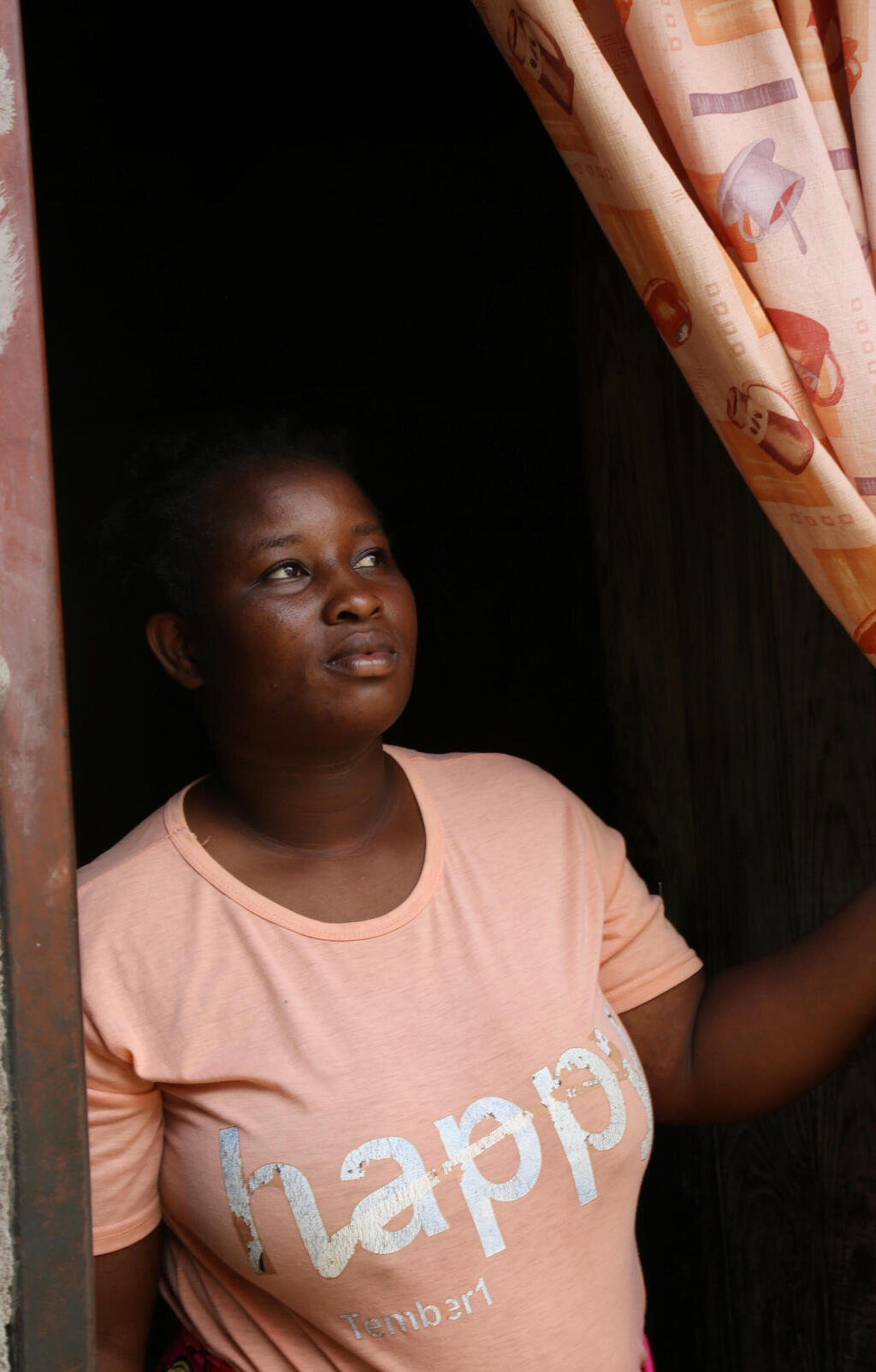
Africa and Latin America have the highest rates of unsafe abortions globally. According to the World Health Organization, about 75% of abortions in Africa are considered unsafe. A 2019 report by the Guttmacher Institute (a research organization committed to advancing sexual and reproductive health and rights) estimated that more than 6 million unsafe abortions occur each year in sub-Saharan Africa; it noted that Zambia’s abortion law exists largely on paper and does not guarantee broad access in practice.
In South Africa, which has some of the continent’s most progressive abortion legislation, abortion has been legal for nearly 30 years. It is permitted on request up to 13 weeks of pregnancy and under various grounds up to 21 weeks. Yet research suggests only about 7% of public health facilities actually provide the service.
In 2023, the case of a 14-year-old girl who was turned away three times by health workers for reasons later deemed invalid sparked renewed scrutiny. After an urgent court application, a judge ordered that she be allowed to undergo the procedure on the final day she was legally eligible. A representative of the organization that assisted her said at the time that South Africa’s abortion law was being undermined by “the abuse of medical knowledge by professionals in an attempt to prevent abortions.”
Zulu said she still feels sorrow over what happened but must support her sons. She is currently searching for a new job.