

As the physician shortage continues to add pressure on Israel’s healthcare system, experienced doctors from abroad are making aliyah as part of a coordinated national effort to help strengthen and expand the country’s medical workforce.
The International Medical Aliyah Program (IMAP) is a joint initiative led by Nefesh B’Nefesh in partnership with the Ministry of Aliyah and Integration, the Ministry of Health, the Ministry of the Negev, Galilee and National Resilience and the Jewish Agency for Israel.
MedEx
(Video: Yaron Sharon)


Launched in response to Israel’s growing physician shortage, IMAP assists with credential recognition, connects physicians to potential employers and helps coordinate their transition into Israel’s medical system, with the aim of placing qualified doctors in communities where they are most needed.
MedEx, IMAP’s flagship licensing and employment event, brings together key government ministries, medical licensing authorities and healthcare employers under one roof, allowing physicians to advance their aliyah and professional licensing process in a single, coordinated setting, before their move to Israel.
While Nefesh B’Nefesh traditionally focuses on aliyah from North America, its work within IMAP is global in scope. For many physicians considering a move to Israel, the process begins in their home countries at MedEx events, where they can receive detailed guidance on Israeli medical accreditation, immigration procedures and employment opportunities.
As part of IMAP, MedEx has been held in cities including New Jersey, Los Angeles, Paris, London, Buenos Aires, Sydney and Melbourne, as well as Toronto and Montreal, drawing hundreds of physicians at each event. This month, MedEx returned to Paris for the third time, and will be returning to New Jersey for the second time at the end of this month, with hundreds of physicians and medical professionals expected to attend.
Dr. James Melotek, Dr. Jordana Boneh and Dr. Jodi E. Ezratty are among more than 1,000 doctors who have already immigrated to Israel through IMAP. The program aims to bring 2,000 physicians to Israel by 2029 to help relieve the country’s increasingly severe doctor shortage, bolstered by the Marcus Foundation, the Gottesman Fund, Jewish Federations of North America, the Azrieli Foundation and the Arison Foundation.
For these three physicians, MedEx became the bridge between long-held Zionist aspirations and professional opportunity.
From Florida private practice to Tel Aviv oncology
Dr. James Melotek, Radiation Oncologist
Dr. James Melotek made aliyah on December 4, 2025, moving from Jupiter, Florida, to Ra’anana with his wife, Annie, and their daughter, Noa. A radiation oncologist, he sold his private practice in the United States and transitioned directly into academic oncology at Tel Aviv Sourasky Medical Center, also known as Ichilov.
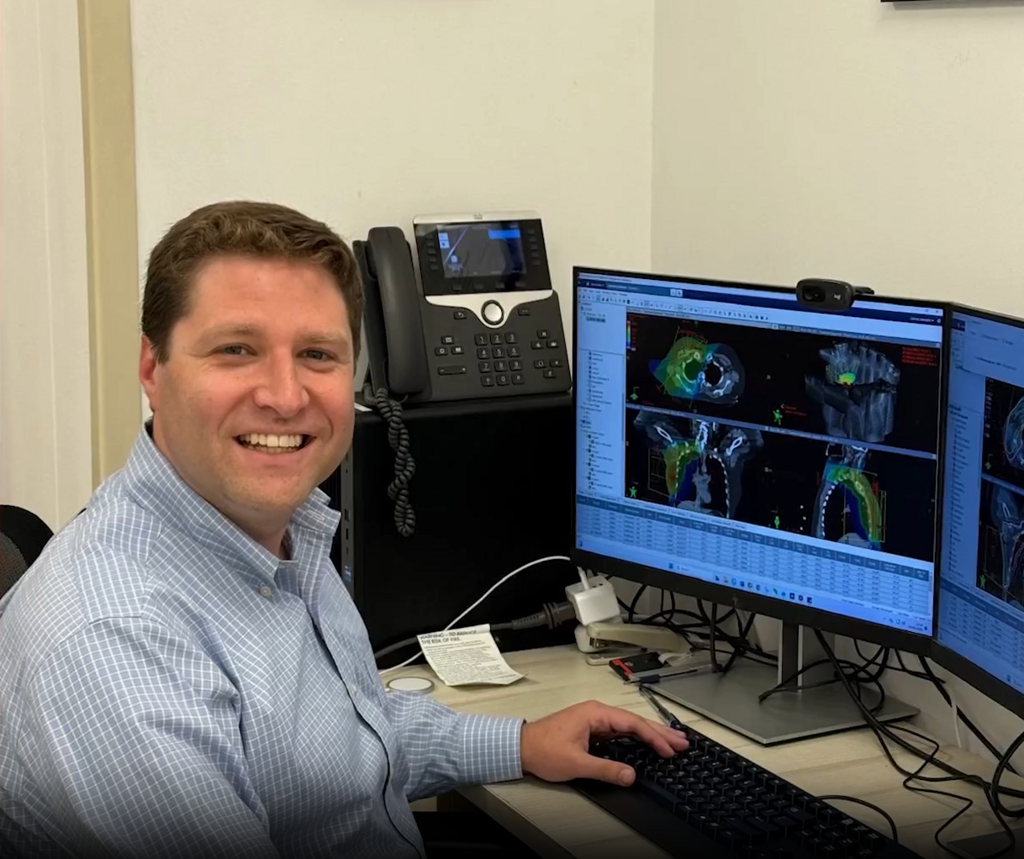
For Melotek, aliyah was a lifelong dream rooted in Zionism and a desire to contribute to the State of Israel. But the move required careful planning. He attended MedEx in Los Angeles in December 2024 to begin the process of transferring his Israeli medical license. A year later, he arrived in Israel and began working in one of the country’s leading hospitals.
“There are a lot of documents you have to submit,” he said in an interview. “Some need to be notarized or apostilled, and that takes time. You just have to start in advance.”
Today, Melotek describes Ichilov’s oncology department as top-tier and highly collaborative, with advanced radiation technologies that match leading American cancer centers. “The quality is top-notch, evidence-based and very collaborative,” he said.
A personal mission in obstetrics and gynecology
Dr. Jodi E. Ezratty, OB-GYN
Dr. Jodi E. Ezratty, an OB-GYN, made aliyah without any immediate family in 2018 after studying medicine at Ben-Gurion University of the Negev. She grew up on Long Island, New York, in a home where Judaism and Israel were central to her identity. She is now married and the mother of one son. “At some point that emotional connection grew into a real purpose and a real desire to move to Israel and make Israel my home,” she said.
Making aliyah alone was both exciting and intimidating. “Emotionally, it meant leaving behind my family, my friends and everything that felt familiar,” she said. “Practically, it meant moving to a new country, learning a new language, a new culture and finding a new job all at once.”
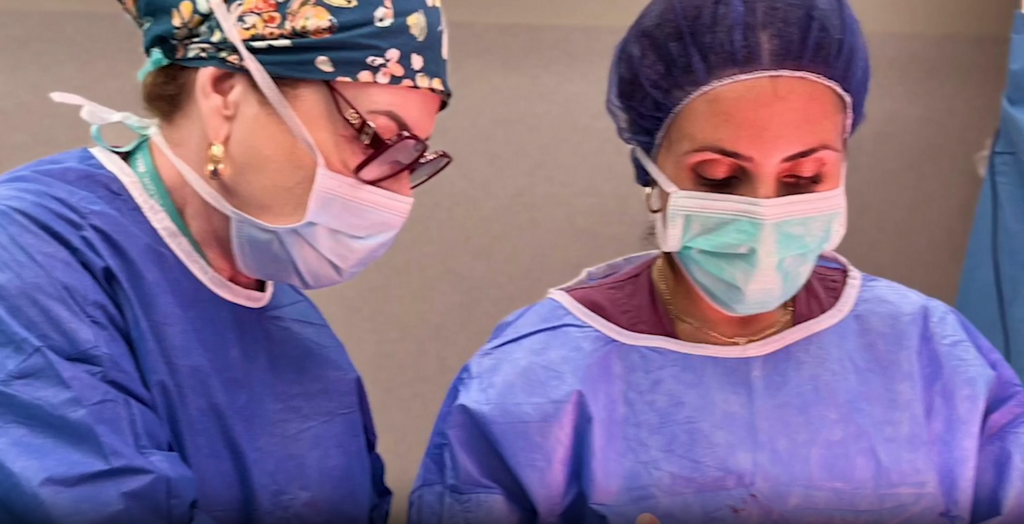
(Photo: Nefesh B’Nefesh)
Today, Ezratty works in hospital and outpatient settings, including the operating room, labor and delivery, inpatient care and prenatal clinics. She describes Israel’s healthcare system as fast-paced and high-volume, with a strong connection between community clinics and hospitals that allows for continuity of care.
She is especially committed to supporting English-speaking patients and new immigrants, dedicating extra time to patient education and helping them navigate the Israeli system.
“Many patients fear the unknown,” she said. “They worry about communication, about not understanding the system or being alone. I try to reassure them that they are not alone and that Israel provides excellent medical care.”
She sees this work as both a professional responsibility and a personal calling, aligned with the broader effort to reinforce Israel’s healthcare infrastructure.
Pediatrics on the front lines
Dr. Jordana Boneh, Pediatrician
Dr. Jordana Boneh made aliyah in 2021 from the United States to Givatayim. She made the move on her own and later met and married her husband in Israel. A pediatrician who also diagnoses and treats ADHD, she works for Clalit at Merkaz Briut Hayeled “Netka” in Tel Aviv.
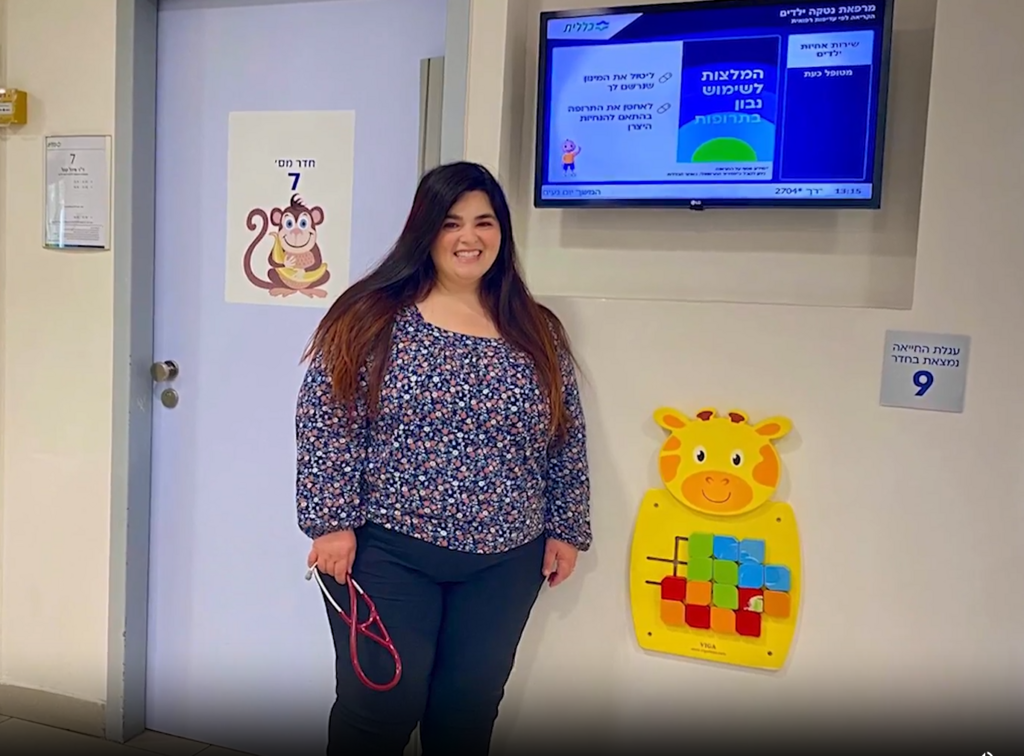
Dr. Jordana Boneh
(Photo: Courtesy)
Boneh said medicine itself is universal, but practicing in a different language and system requires adjustment. “The physiology is the same,” she said. “But learning how referrals work, which specialists are available and even different medication names, all in a new language, is challenging. It is also very rewarding.”
Her work has included uniquely Israeli realities. During the Iron Swords war, she and her colleagues helped establish frontline pediatric clinics in Tel Aviv hotels housing families evacuated from the front lines. “I treated children whose families were separated and who were dealing with trauma and sirens,” she said. “Those are situations I would not have encountered outside Israel.”
Boneh said she has been deeply satisfied with her professional experience in Israel. Her sister, also a pediatrician, and her sister’s husband, an internist, are set to make aliyah this summer, expanding what has become a family commitment to practicing medicine in Israel.
Fast-tracking purpose into practice
IMAP’s broader goal is to ensure physicians not only receive licenses but also build long-term careers and integrate smoothly into Israeli society. For Israel, the impact is measurable. Each physician who arrives and begins practicing helps relieve pressure on an overstretched healthcare system.
For the doctors themselves, the decision is both ideological and practical.“It’s very possible and very rewarding,” Ezratty said. “If it’s your dream and you’ve been thinking about it,” Melotek added, “just do it.”