

Women make up 63% of medical students in Israel, but only 20% of specialists in general surgery and just 5% in orthopedic surgery, according to a new report by the Knesset Research and Information Center.
The report, prepared at the request of Knesset Member Pnina Tamano-Shata when she chaired the Knesset Committee on the Status of Women and Gender Equality, shows that despite women’s strong presence in medical education, their representation declines as they advance through the profession. It also found that female doctors earn about 13% less than male doctors.
In the 2023-2024 academic year, women accounted for 63% of medical students and 62% of medical school graduates in Israel. But their share dropped sharply by the licensing stage, after the medical internship year. In 2023, women made up only 44% of the 2,495 new recipients of medical licenses.
The report’s authors said the gap stems in part from women’s lower share among license recipients who studied medicine abroad, a group that makes up most new license holders.
Overall, women account for 42% of all licensed physicians in Israel and 41% of doctors actually employed in the health system, about 15,000 out of 37,300 doctors working in health services in 2023.
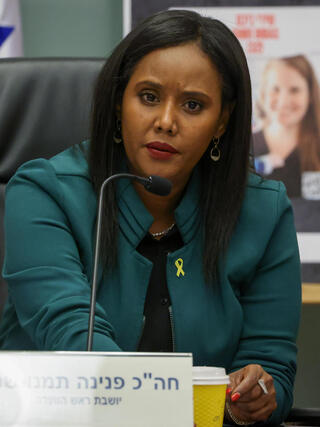 Knesset Member Pnina Tamano-ShataPhoto: Noam Moskowitz
The decline continues during specialization and among certified specialists. In 2023, 2,035 doctors began residency, with women making up about 45% of them, down from 48% in 2022. Among specialist physicians, women account for 40%.
The gender gaps are especially stark by specialty.
Women make up a majority of specialists in several fields, including 71% in medical genetics, 69% in pediatric endocrinology, 63% in public health, 62% in child and adolescent psychiatry, 60% in family medicine and 58% in pathology.
But in surgical fields, the picture is reversed. Women account for only 20% of specialists in general surgery and just 5% in orthopedic surgery. Their share is also relatively low in fields that require lengthy training, including anesthesiology, at 28%, and internal medicine, at 42%.
The report also found that while men remain the majority in medicine, women dominate nursing and many allied health professions.
At the end of 2023, about 73,000 people in Israel were licensed to practice nursing, 84% of them women. Women also made up 99% of dental hygienists, 94% of dietitians and speech therapists, 86% of laboratory workers, 76% of psychologists and 63% of pharmacists.
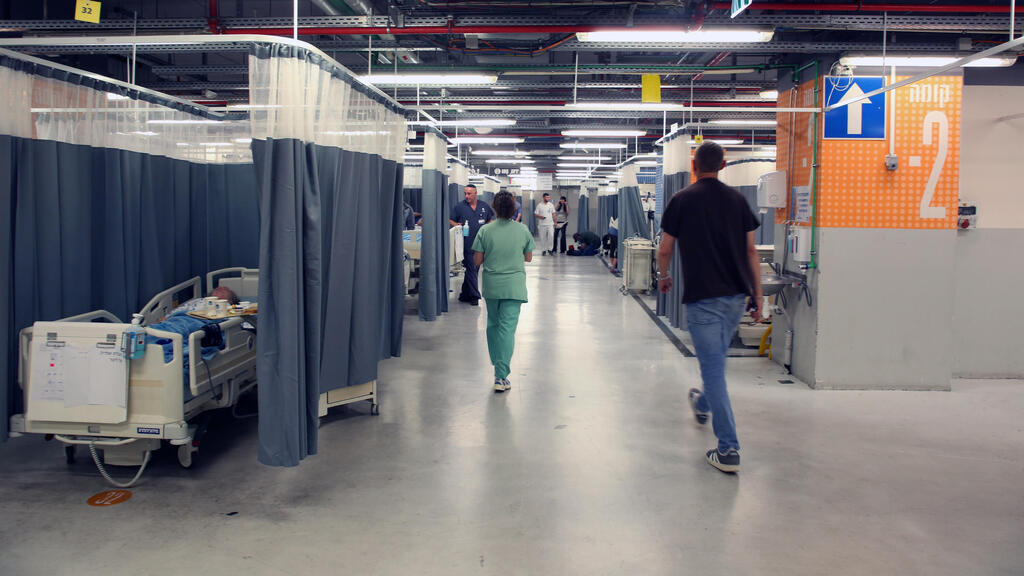
'The sky is the limit, in the operating room, in hospital management and at the decision-making table'
(Photo: Ryan Frois)
In some fields, however, including dental technology and surgical podiatry, women accounted for less than 20% in certain sub-specialties.
The report also points to significant gender pay gaps in the health system.
Based on the Finance Ministry wage commissioner’s 2021 report, women working in public hospitals earned an average monthly salary 21% lower than men, about 19,000 shekels compared with about 24,000 shekels. The Knesset report said the gap largely reflects women’s concentration in lower-paid professions, while men are more heavily represented in technological, medical and managerial pay grades.
The gaps persist even when men and women are compared within the same profession.
In 2021, the average monthly salary of a female doctor was 32,700 shekels, about 13% lower than the 37,437 shekels earned by a male doctor. In nursing, the gap was smaller, at 5%, with male nurses in public hospitals earning an average of 22,312 shekels compared with 21,204 shekels for female nurses.
The report said the differences may stem in part from disparities in compensation for on-call shifts and women’s underrepresentation in senior management roles, which often include more paid on-call hours. Gender differences in specialty choices also affect salary levels.
Tamano-Shata said the report “should set off warning lights for anyone who believes in equal opportunity.”
“Women are a clear majority in medical schools, they successfully complete their training, they carry a huge part of the health system on their shoulders, and yet, on the way to positions of influence, prestigious specialties and higher salaries, they disappear from the picture,” she said. “This is not a problem of ability, talent or excellence; it is the result of structural barriers that the state and the system must address.”
“When women make up 63% of medical students, but only 41% of doctors actually employed, and when even within the same professions they still earn less, it is impossible to claim that we have achieved equality,” she added. “The data show that Israeli society is still losing a significant part of its female potential along the way. Every girl entering medical school today should know that the sky is the limit, in the operating room, in hospital management and at the decision-making table.”
MK Merav Cohen, the current chair of the Committee on the Status of Women, said the data reveal not only what happens in the health system, but also what happens at home.
“Women do not disappear on the way up the ladder of pay and management in medicine because they are less talented,” Cohen said. “They disappear because someone has to pick up the children from kindergarten, and usually, that will be them. As long as household management is not divided equally between partners, women will continue to pay this price, in their careers, their salaries and their pensions.”