

Israel’s Health Ministry on Thursday issued new recommendations for parents aimed at changing children’s and teenagers’ long-term habits around screens and social media, including avoiding screens entirely before age 2, waiting until age 13 before buying a smartphone and delaying access to social media until at least age 15.
The recommendations come against the backdrop of data showing that Israel has one of the higher rates of problematic social media use among the 60 countries participating in the HBSC study on adolescent health and well-being. The ministry is also launching a digital campaign to make the guidelines more accessible and encourage parents to adopt them.
“On the one hand, we want to give the public recommendations that are simple and practical, and on the other hand, this is not a case of saying, ‘Don’t do it at all,’ as we do with smoking,” Health Ministry Director-General Moshe Bar Siman Tov told reporters.
“We don’t think that would be right, and we are also aware that it is not possible. Screens and social media are part of life, and we need to see how to create the right balance.”
Six hours a day outside school
The HBSC study, conducted in 2025 by the Health and Education ministries together with Bar-Ilan University, found that 28.7% of students in grades 7 through 12 spent six hours or more on screens outside school hours.
The rate was higher among girls, at 32.7%, compared with 24.6% among boys. The highest rates were recorded among girls in grades 7 through 9, ranging from 35.5% to 42%. The study also found that 16.3% of Israeli students were classified as engaging in social media use accompanied by addiction-like symptoms, a sharp increase since the COVID-19 pandemic.
Such behavior includes difficulty controlling the amount of time spent online, persistent preoccupation with online activity and continuing to use social media despite negative consequences.
Screens and social media have become an integral part of daily life, providing immediate access to information, communication and entertainment. But the Health Ministry warns that excessive use can harm language development, attention and interaction with the environment in early childhood, as well as sleep quality, learning, academic performance, mental health and social functioning.
Studies conducted over the past decade, particularly since the COVID-19 pandemic, have linked heavy screen use among children and teenagers with higher rates of anxiety, depression and loneliness.
A public consultation conducted by the Health Ministry in 2025 among about 750 parents of children from birth to age 18 found that screens and social media were among the main issues concerning parents when it came to their children’s health. The issue was particularly prominent among parents of elementary and middle school students.
Qualitative studies conducted internationally have also found that many parents struggle to set limits on screen time and media use. The difficulties stem from lack of knowledge, everyday pressures, family needs, resistance from children, conflicting public messages and uncertainty about how best to manage screen use.
Quality matters as much as time
The ministry recommends that parents assess a child’s readiness at every age, including emotional maturity, ability to follow rules, level of responsibility, communication with parents and the reason the child wants a phone or access to social media. Parents should also focus on the quality of content and make sure screen time does not replace physical activity, adequate sleep or meaningful social interaction.
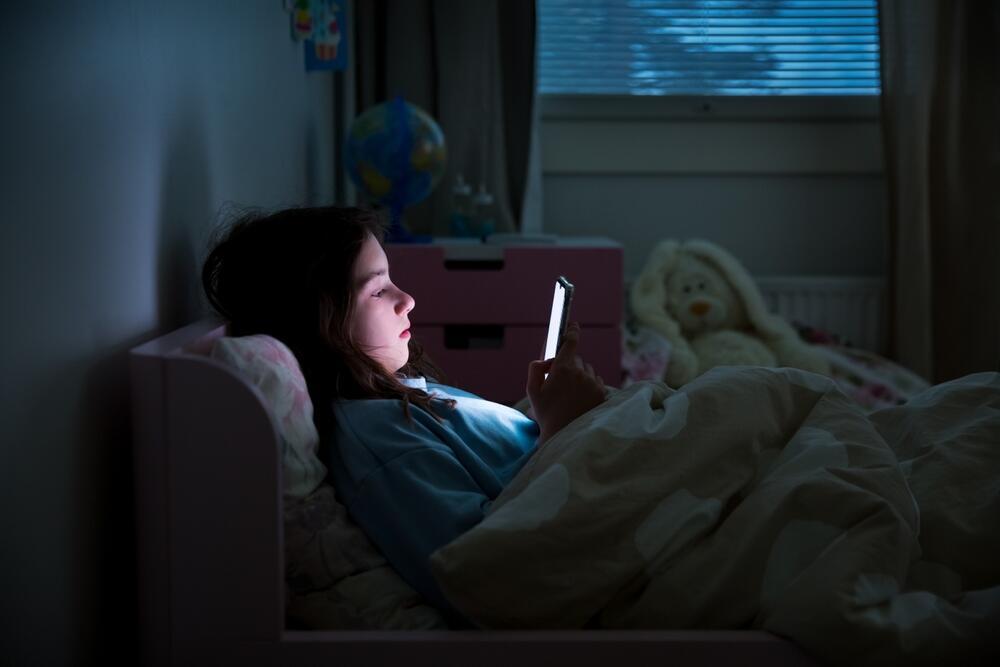
The recommendations call for predetermined screen-free periods, including during meals, meetings with friends, family time and before bed. Parents are also advised to keep screens out of bedrooms as much as possible, including smartphones and laptops.
(Photo: Artlist)
The ministry stressed that the goal is not to eliminate technology altogether, but to encourage age-appropriate, balanced and responsible use. The guidelines are based on a review of scientific literature, recommendations from health organizations around the world and guidance from the Israel Pediatric Association.
No screens before age 2, even in the background
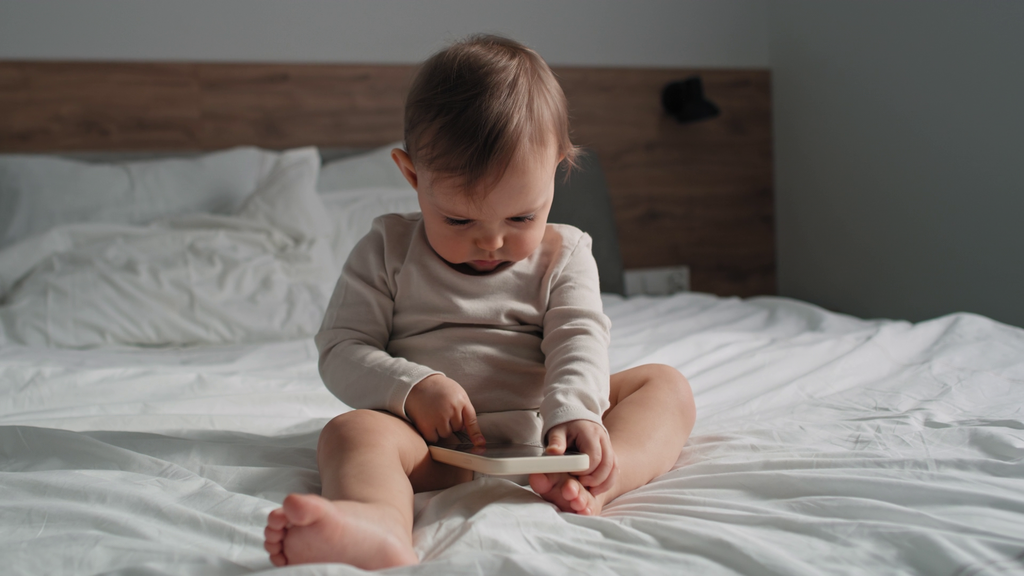
According to the Health Ministry, children from birth to age 2 should not be exposed to screens at all, including screens playing in the background.
Between ages 2 and 5, screen time should be limited to one hour a day, with parents choosing high-quality content and watching alongside their children while talking, explaining and asking questions.
For children ages 6 to 9, the ministry recommends limiting recreational screen use to less than two hours a day while encouraging social interaction, physical activity and hobbies that do not involve screens.
A child’s first mobile phone should be a basic, non-smartphone device and can be introduced between ages 9 and 11, depending on need, communication with parents and the child’s readiness. The ministry recommends waiting until age 13 before giving a child a smartphone and, even then, avoiding access to social media.
Social media access should be delayed until at least age 15 and introduced according to the child’s readiness, together with parental supervision, clear rules and digital safeguards.
The recommendations also include practical tools for parents, including setting screen-free and social media-free periods, encouraging alternative activities and modeling balanced screen use themselves.
“Screens and social media can sometimes play a positive role in development, but they can also delay the building of developmental milestones,” Dr. Gilad Bodenheimer, head of the Health Ministry’s Mental Health Division, told reporters.
“The important point is parental responsibility and authority. Our role as parents is to be present. We need to understand that we are capable of taking responsibility for our children’s screen time and the places they browse, and of managing this together and on behalf of our children.”
Next step: regulation
The Health Ministry said a committee is expected to be established to promote responsible screen and social media use among children and teenagers.
The committee will develop a framework for Israeli policy and programs and will address, among other issues, regulation intended to protect children and teenagers, policies for responsible screen use in educational and other settings, and ways to build knowledge, awareness and healthier habits among parents and children.
“To provide a complete response, we need to give people tools and recommendations, but later this will also have to be accompanied by regulation,” Bar Siman Tov said.
“There are many regulatory tools being developed around the world, and we will need to create the Israeli version. This is not something the Health Ministry can do alone, but part of our responsibility is to push for action on this issue.”