

The Bat Yam Magistrate’s Court has awarded a 58-year-old woman about NIS 131,000 ($43,000) after finding that two of her teeth were extracted without sufficient medical justification and that parts of a complex dental rehabilitation procedure were carried out negligently.
The court accepted part of the woman’s malpractice claim, ruling that she now requires extensive corrective treatment, including replacement of a porcelain bridge. Meanwhile, the court rejected her broader contention that the entire course of treatment, including the extractions and implants, had been unnecessary.
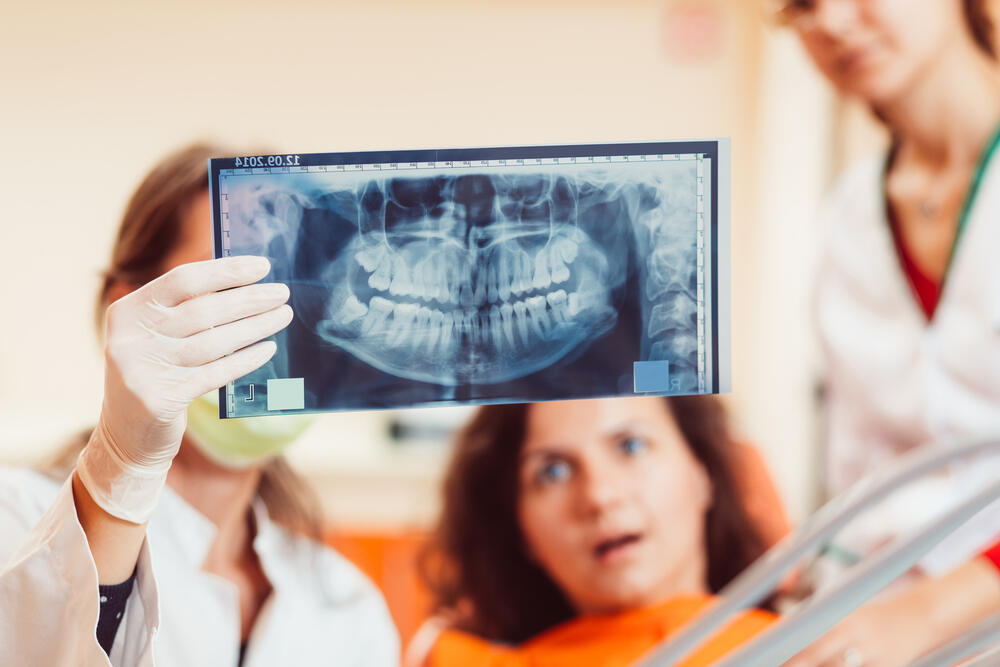
(Photo: Shutterstock)
The woman underwent extensive rehabilitation of her lower jaw about a decade ago. The defendants were the owner of the dental clinic and the dentist who performed the implants.
She claimed that she had initially gone to the clinic because of a relatively simple problem involving a fractured tooth crown, but was negligently diagnosed and advised to have nine healthy teeth extracted and replaced with implants.
According to the lawsuit, she was led to believe that the extractions were necessary to achieve an acceptable cosmetic result and signed a consent form while sitting in the treatment chair, highly anxious and under local anesthesia.
She also alleged defects in the bridge and crowns placed in her mouth, including difficulty chewing and gaps where food became trapped, causing an unpleasant odor.
The lawsuit additionally described what it called a “serious incident” in which a dental assistant allegedly attempted to carry out a procedure she was not permitted to perform. The woman sought about NIS 400,000 ($132,000) in damages.
A court-appointed expert identified several problems with the treatment, including poor fitting of parts of the porcelain bridge. The defect caused discomfort and plaque accumulation and required the entire bridge to be replaced, the expert found.
He estimated the cost of corrective treatment at NIS 71,000 ($23,000), including NIS 49,000 ($16,000) for replacing the bridge.
The defendants argued that they had followed accepted professional standards and that the loss of some implants was caused by localized inflammation resulting from poor oral hygiene.
They also challenged the expert’s assessment of the cost of replacing the bridge, arguing that nine years had passed since it was installed and that it had effectively reached the end of its expected lifespan in any event.
 Att. Anat AshkenaziPhoto: Tomer Jacobson
Judge Idit Kleiman-Balak rejected that argument, saying it was unsupported by the evidence. She noted that even an expert for the clinic owner had estimated the accepted lifespan of crowns and related dental structures at 10 years at least.
She noted that the defendants also chose not to question the court-appointed expert, who had explained why the bridge needed to be replaced despite the years that had passed since it was installed.
The court adopted the expert’s conclusions, including the need for a replacement bridge. It also accepted his finding that two of the woman’s teeth had been extracted without sufficient medical justification and that some implants had been placed too close together and negligently, contributing to their failure.
However, Judge Kleiman-Balak found that the woman had exaggerated both the extent of the alleged malpractice and, as a result, the amount of compensation she demanded.
The ruling said the plaintiff had “tried to minimize the seriousness of the dental condition of her mouth, which was already poor when she first arrived at the defendants’ clinic,” as well as the extent of treatment required because of the poor condition of the teeth that remained.
The judge was particularly critical of the woman’s claim that she had sought only cosmetic treatment and had no genuine need for extractions or implants, calling that account “disingenuous and, to put it mildly, untruthful.”
During cross-examination, the woman acknowledged that the clinic owner had spent more than an hour with her explaining the procedure and what it would involve. “It emerges that the plaintiff knew very well what she was heading into and gave her informed consent to receive the treatment,” the court ruled.
Ultimately, the two dentists were ordered jointly and individually to pay her NIS 106,000 ($35,000) for corrective dental treatment, travel expenses and pain and suffering. With attorney’s fees and VAT added, the total award came to approximately NIS 131,000 ($43,000).
The court apportioned responsibility between the defendants, assigning 70% to the clinic owner and 30% to the dentist who performed the implants.