

The Haifa Magistrate’s Court has ruled that a severe navigation error aboard a navy submarine directly caused extreme psychological stress that led to a senior officer developing Type 1 diabetes, ordering the Defense Ministry to recognize him as a disabled IDF veteran.
The judge ruled that the illness was causally linked to the incident, rejecting the ministry’s argument that there was no connection between the events aboard the submarine and the onset of the disease.
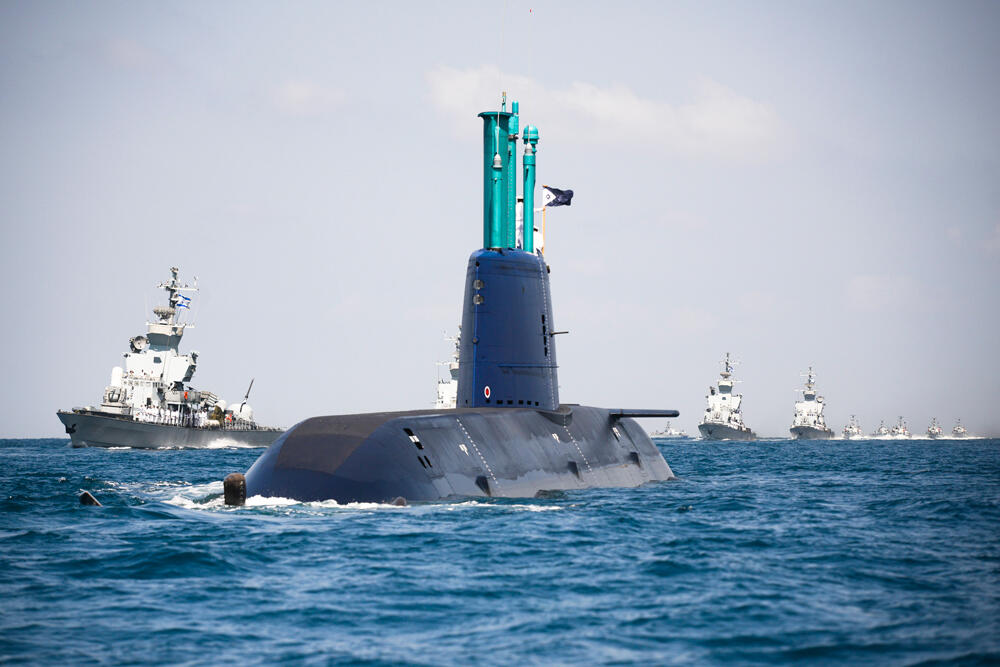
(Photo: IDF)
According to court filings, the officer, now 44, was serving at the time as a major in the IDF submarine fleet. While on patrol, he was the senior officer on watch and responsible for the submarine’s navigation and safety when he made a critical error, steering the vessel outside its designated operational zone.
The submarine was traveling at high speed in a restricted area when the commanding officer rushed in from behind, shouted and forcefully took control, navigating the vessel back into safe waters, the officer said in an affidavit submitted to the Defense Ministry.
In his statement, the officer detailed the gravity of the mistake, describing it as a rare and highly dangerous event in the tightly controlled world of submarine operations. Leaving an assigned patrol zone, he said, carries the potential for catastrophic loss of life and damage worth billions of dollars, since submarines have limited ability to detect one another except at close range, sometimes too late to avoid disaster.
While the commander succeeded in correcting course, the officer said he was unable to recover psychologically from the incident. He described being overwhelmed by shame and fear after realizing the magnitude of his error, experiencing rapid heartbeats, dizziness and a sensation of imminent collapse. He said he was unable to function for the remainder of the voyage, forcing the commander to continue navigating the submarine back to port.
The traumatic submarine incident continued to haunt the officer in the weeks that followed, according to court records. He said he was unable to stop thinking about the event but tried to suppress it, fearing that seeking mental health care or sharing his distress would harm his chances of promotion.
His body, however, did not withstand the strain. Two months later, the officer began experiencing weakness, fatigue, muscle pain and severe thirst. He went to a hospital, where he was diagnosed with Type 1 diabetes — an autoimmune disease that requires lifelong insulin treatment — and was hospitalized for three days to stabilize his blood sugar levels. Since then, he has been treated with insulin.
Following the diagnosis, the officer filed a claim with the Defense Ministry, seeking recognition as a disabled veteran under Israeli law, which provides compensation and medical benefits to soldiers whose injuries or illnesses are directly linked to military service. The ministry rejected the claim after its medical expert concluded that the psychological stress the officer experienced played no role in the onset of diabetes.
The officer then petitioned the Haifa Magistrate’s Court for a renewed review and submitted an expert medical opinion from a diabetes specialist who stated unequivocally that the exceptional event directly contributed to the development of the disease. He also provided affidavits from the submarine commander who took control during the incident and from his wife, who described the officer’s mental and physical state in the two months between the event and his diagnosis.
The Defense Ministry attempted to deny that the incident had occurred. It argued that even if it did take place, it did not constitute an exceptional event but rather fell within the inherent risks of serving as an officer of the watch aboard a submarine.
The head of the appeals panel sharply criticized the ministry’s position. “I was astonished, to say the least, by the raising of this argument, and it was evident that it was a forced claim that would have been better left unmade,” she wrote. “It was proven that this was an extremely rare event involving enormous mental stress and pressure, and no excessive imagination is required to conclude that this was a severe and extreme stress event that left its mark on the officer.”
The court accepted the officer’s appeal, ordered the Defense Ministry to cover the cost of the medical expert opinion and legal fees, and required it to formally recognize him as a disabled IDF veteran, with all attendant rights.
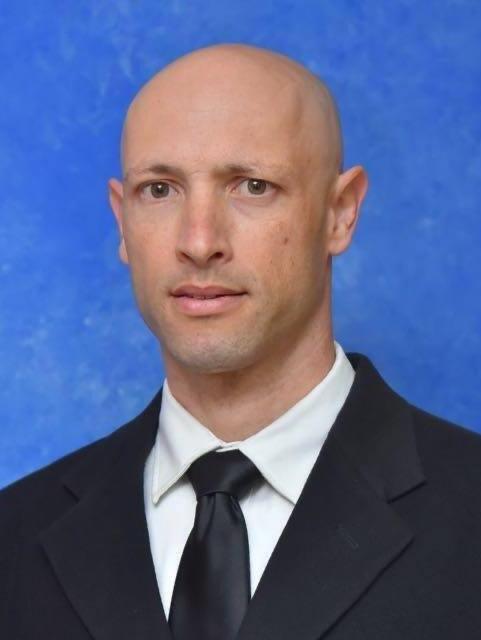 Attorney Yaakov Amir Photo: Courtesy
“This is a case that came to me from another attorney after the claim had already been rejected,” the plaintiff's attorney, Yaakov Amir of the Greenberg law firm, said. “I based the request for reconsideration on affidavits from the submarine commander and the officer’s wife. It was not an easy battle, but the testimony of the three of them was credible, and together with the other arguments, it convinced the court that the illness was caused by the exceptional stress of that incident.”
The recognition, Amir said, entitles the officer to lifelong medical treatment, rehabilitation and a monthly pension.