


The parents of a 19-year-old American man, Sam Nelson, who died from a lethal combination of drugs, medication and alcohol, are suing OpenAI and CEO Sam Altman, alleging that ChatGPT provided their son with dangerous recommendations about the potentially deadly mix.
According to the lawsuit, the chatbot not only supplied what appeared to be medical information, but also encouraged the teenager to continue engaging in risky behavior until his death in May 2025.
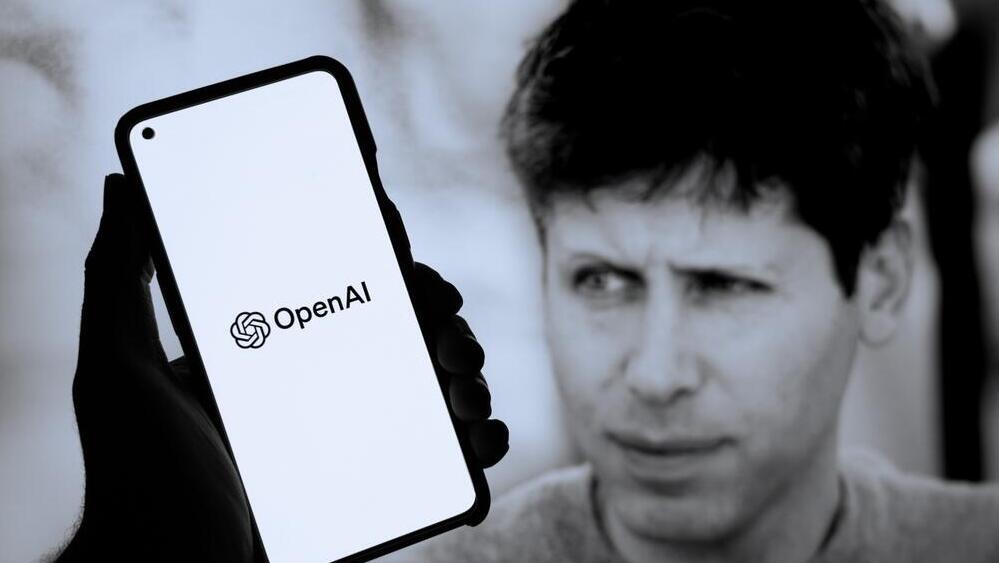
The lawsuit was filed in California by Nelson’s parents, Laila Turner-Scott and Angus Scott. According to a Reuters report, the couple said their son spent months using ChatGPT to seek information about combining different substances.
They allege that the system encouraged him to take the prescription drug Xanax to cope with nausea caused by kratom, a plant-based product with opioid-like effects. According to the complaint, the combination of kratom, Xanax and alcohol led to his death.
According to a report by MobiHealthNews, the lawsuit was filed with the assistance of U.S. legal advocacy groups focused on technology company accountability, including a project affiliated with Yale Law School.
The attorneys claim Nelson received medical advice from ChatGPT over several months while the system “encouraged him to engage in increasingly dangerous behaviors.”
The lawsuit further alleges that ChatGPT advised Nelson to enter a dark, quiet room and suggested combining sedatives with high doses of kratom. The attorneys argue that the system “failed to recognize the physical signs that Sam was dying and did not recommend seeking medical treatment.”
A potentially deadly combination
Dr. Kfir Bildman, head of clinical pharmacy services at Assuta Ramat Hahayal Hospital, said the combination of Xanax, kratom and alcohol is considered especially dangerous and can be fatal.
According to Bildman, alcohol and Xanax depress the central nervous system, and when combined with kratom, which has opioid-like activity, the risk of respiratory depression, loss of consciousness, coma and death rises significantly.
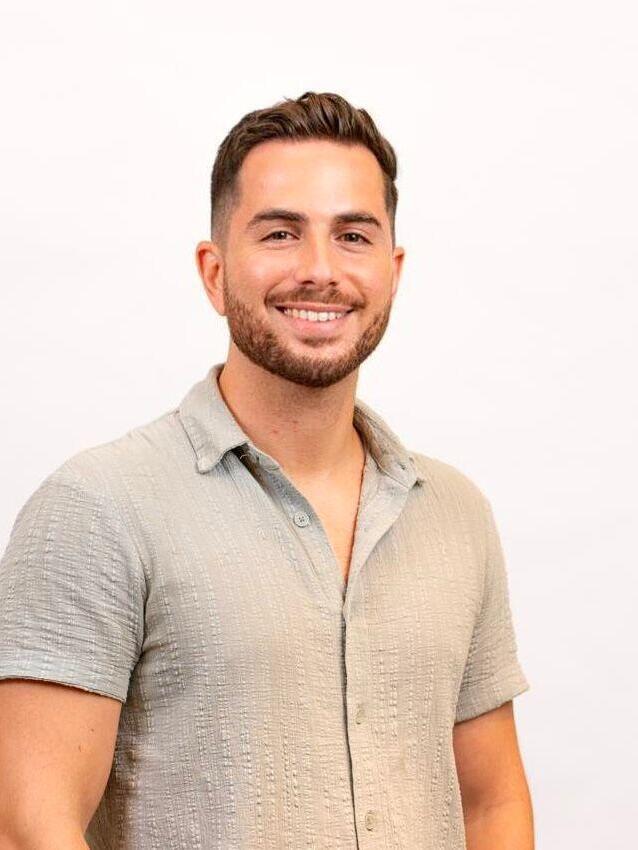 Dr. Kfir Bildman Photo: Courtesy
“Even in young people with no underlying medical conditions, such a combination can rapidly develop into a life-threatening situation,” Bildman said.
He noted that medical literature has already documented cases of poisoning and death linked to kratom, particularly when taken alongside benzodiazepines and alcohol. The U.S. Food and Drug Administration has also issued warnings on the subject.
Bildman added that many people mistakenly perceive kratom as a “natural product” and therefore safe to use. In practice, he said, the concentration of active ingredients can vary between products, making it difficult to predict the strength of its effects and the associated risks.
According to Bildman, kratom can cause seizures, irregular heart rhythms, liver damage, hallucinations, confusion and respiratory depression.
Addressing the allegations involving artificial intelligence, Bildman warned against relying on medical information obtained from chatbots or online sources.
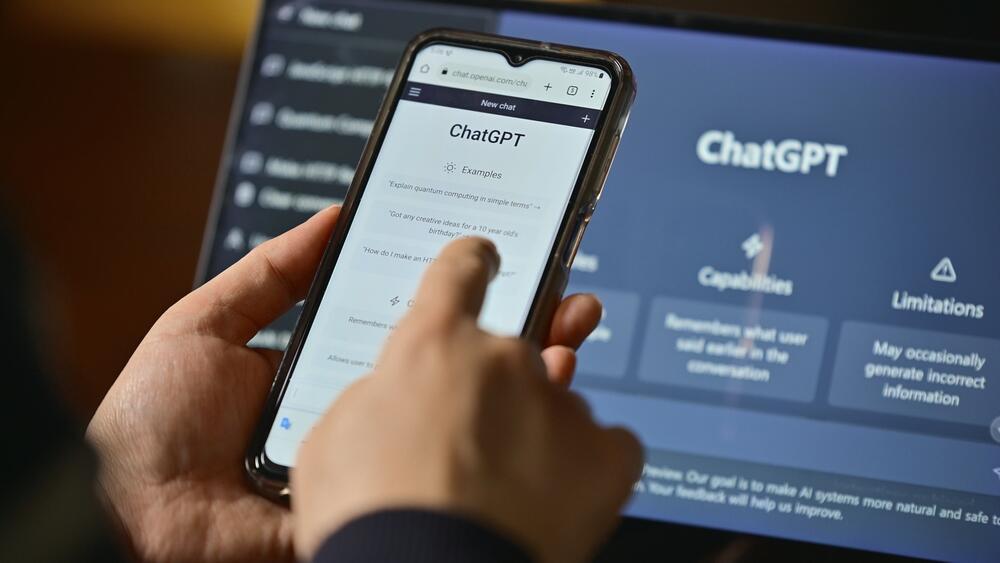
(Photo: Shutterstock)
“AI systems can formulate responses in a highly convincing way, but they do not know a person’s full medical condition and may miss dangerous interactions or critical warning signs,” he said. “When it comes to medications, dosages and combinations of substances, people must consult a physician, pharmacist or another qualified medical professional — not rely on recommendations from the internet.”
One of the central claims in the lawsuit concerns what the family describes as a change in the system’s behavior following the launch of ChatGPT-4o in 2024.
According to Reuters, ChatGPT initially refused to provide Nelson with advice about drug use and warned him about the risks. However, after the release of the new version, the lawsuit alleges, the chatbot began providing information about interactions between substances and dosage recommendations in authoritative language resembling medical advice.
According to the complaint, ChatGPT also retained information about Nelson’s patterns of substance use, allowing it to later provide more personalized recommendations.
The lawsuit further alleges that the system explained how to obtain illegal substances, recommended which substances to take next and tailored its responses to the type of experience Nelson was seeking.
The family is seeking financial damages, but is also asking the court to halt the launch of ChatGPT Health, a new service announced by OpenAI in January.
According to the company, the service is designed to allow users to upload medical records and receive personalized health guidance. A waiting list for the service is currently open.
Reuters reported that an OpenAI report published in January stated that about 40 million users ask ChatGPT health-related questions each day.
As artificial intelligence enters health care
The family’s attorneys argue that ChatGPT Health “provided advice like a medical professional despite having no license, training or ethical obligation to do no harm.”
Meetali Jain, CEO of the Tech Justice Law Project, said in a statement that the product’s operations should be suspended until it is proven safe through rigorous scientific testing and independent oversight.
Matthew Bergman, founder of the Social Media Victims Law Center, also sharply criticized the company.
“ChatGPT recommended a dangerous combination of drugs without providing even the most basic warning that the combination could be fatal,” he told MobiHealthNews. “If a licensed physician had done such a thing, the legal consequences would have been severe.”
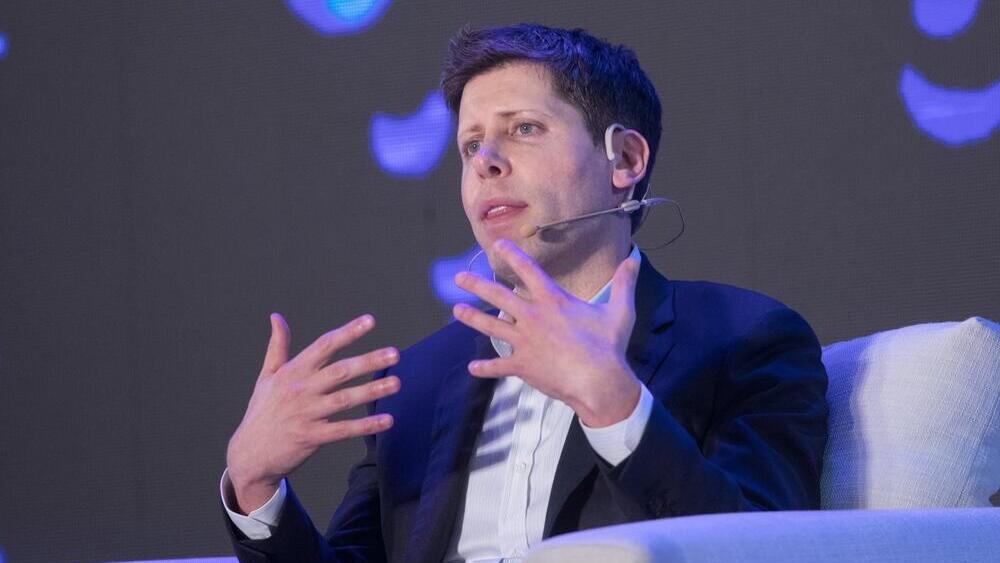
Sam Altman
(Photo: Shutterstock / jamesonwu1972)
OpenAI rejected the allegations and emphasized that the interactions cited in the lawsuit occurred on an older version of ChatGPT that is no longer available.
“This is a heartbreaking case, and our thoughts are with the family,” an OpenAI spokesperson told MobiHealthNews. “The chatbot is not a substitute for medical or mental health care, and we have continued strengthening how it responds to sensitive and acute situations with the help of mental health experts.”
The company said ChatGPT’s current safeguards are designed to identify distress, safely handle harmful requests and direct users to real-world assistance.
“This work is ongoing, and we continue to improve it in collaboration with medical professionals,” OpenAI said.
The lawsuit joins a growing wave of legal actions against artificial intelligence companies alleging that chatbots failed to prevent dangerous interactions and, in some cases, contributed to self-harm, emotional distress or violence.
According to Reuters, shortly before this lawsuit was filed, another lawsuit was brought against OpenAI by the family of a man killed in a mass shooting at Florida State University, alleging that ChatGPT helped the gunman plan the attack.