

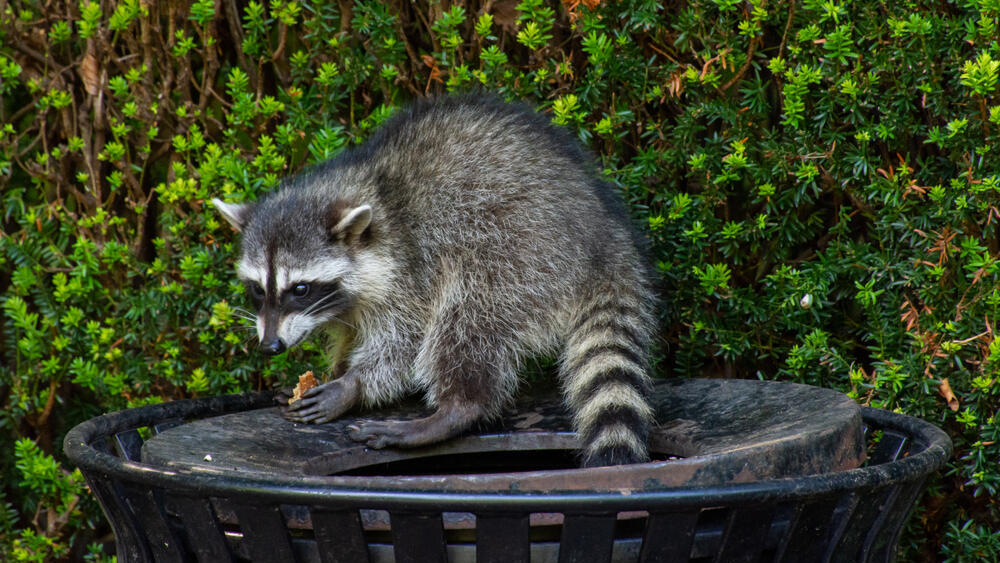
What happens to brown bears that live near humans for thousands of years? A new study finds that they undergo genetic changes that reduce aggression and promote calmer behavior, similar to domesticated animals. A separate study shows that urban raccoons are changing in the same direction.
The bear study examined an isolated population of about 50 Marsican brown bears in central Italy. Genetic evidence shows they split from other European brown bears 2,000 to 3,000 years ago and have been fully isolated for the past 1,500 years. Although they have long lived near human settlements, relations were often hostile. From Roman times onward, people systematically hunted the bears to reduce their numbers and make room for expanding towns.
Over time, the Marsican bears became smaller, developed distinctive facial features and grew less aggressive. Italian researchers found genetic changes linked to natural selection, particularly in genes associated with the nervous system and behavior. Some of these genes are also involved in the domestication of other animals and are tied to calmer temperaments.
The researchers conclude that human activity drove this process. While people did not intentionally domesticate the bears, centuries of killing the most aggressive individuals favored the survival and reproduction of calmer ones, producing an unintended domestication-like effect. The largest and longest-running experiment on animal domestication began in the Soviet Union in 1959 and continues today. Dmitry Belyayev and his colleagues bred silver foxes, a subspecies of the red fox, selecting in each generation the calmest individuals that tolerated human contact.
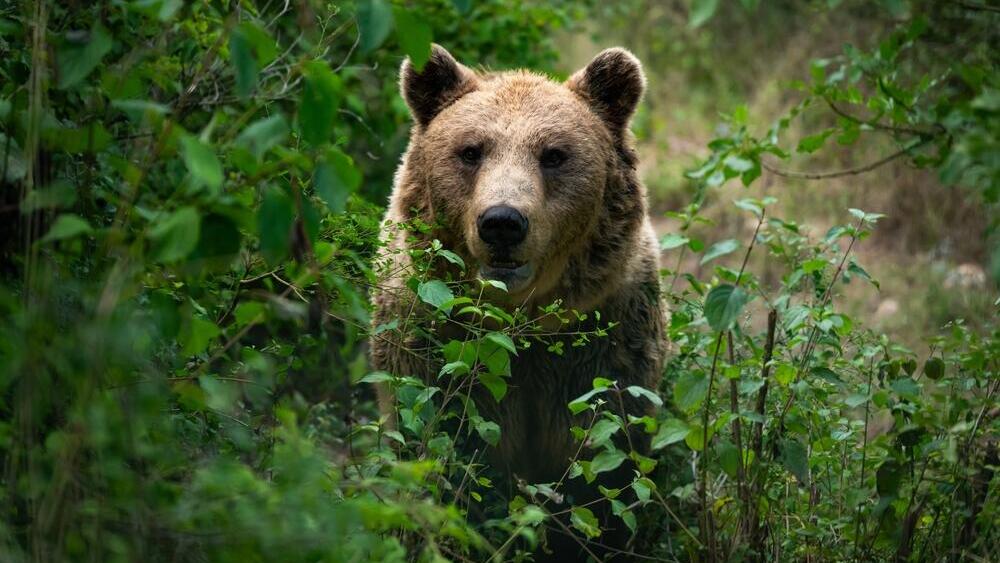
Marsican bear
(Photo: Shutterstock, VOJTa Herout)
Within six generations, the foxes behaved like dogs, wagging their tails, licking researchers’ hands and eagerly seeking human touch. Alongside this friendly behavior, other unexpected traits appeared, including curled tails, floppy ears, shorter snouts and patchy fur. These features, common in many domesticated animals, are known collectively as “domestication syndrome.”
The leading explanation, the neural crest theory, links these traits to changes in cells that develop early in the embryo and migrate to the skin, face, nervous system and adrenal glands. Reduced adrenal activity lowers stress hormone production, leading to calmer behavior, while also affecting physical traits.
At least one gene linked to neural crest cell migration, DCC, was also found to have changed in the Italian brown bear population. Previous studies have tied it to domestication in animals such as cats, suggesting the bears underwent a parallel, unintentional domestication-like process.
Similar forms of “self-domestication” sometimes occur in animals that live near humans and survive on food waste. A study published about five years ago found that foxes living in London had smaller skulls and shorter snouts than rural foxes, traits commonly linked to domestication syndrome.
Researchers suggested that calmer foxes, those indifferent to human presence rather than fearful or aggressive, were better adapted to urban life. Their temperament improved their chances of survival and reproduction, allowing these traits to spread without deliberate human selection. As in domesticated animals, the genetic changes that reduced aggression also produced physical changes such as smaller skulls and shorter snouts.
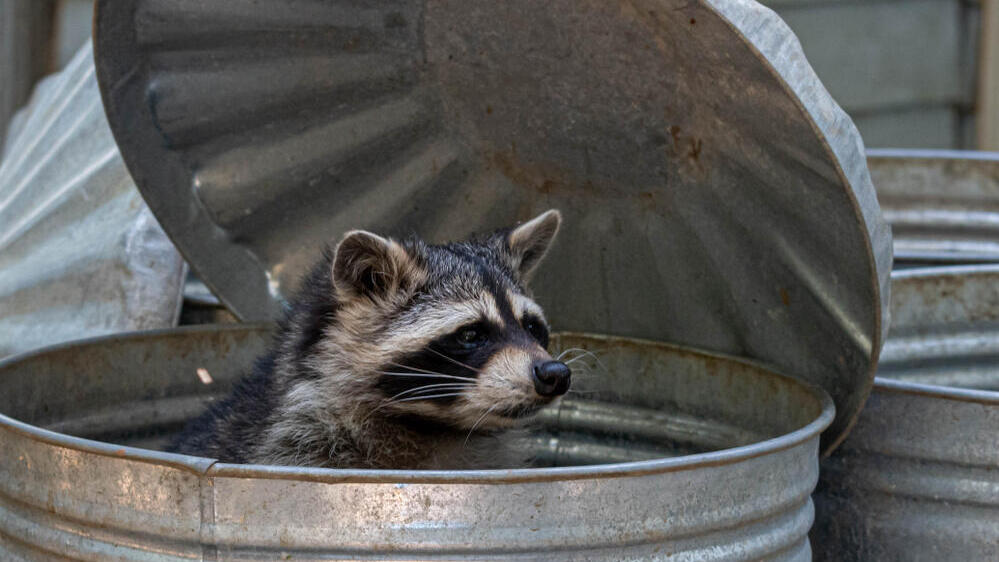
(Photo: Ian Fox, Shutterstock)
A recent study suggests a similar process may be underway in raccoons in the United States. Researchers analyzed nearly 20,000 photographs of common raccoons collected via the iNaturalist app and found that raccoons in urban areas had slightly shorter snouts than those in rural settings. The difference, less than 4 percent on average, was small but consistent, suggesting raccoons may be in the early stages of self-domestication.
“Once animals start spending time near humans, they become a bit less fearful and may even begin to show signs of domestication syndrome,” said Adam Wilkins, a biologist at Humboldt University in Germany, who was not involved in the research.
Although no one set out to domesticate bears or raccoons, living alongside humans and selective pressures such as hunting appear to be pushing some wild populations toward domestication-like traits, a process that may unfold over very long periods of time.
- Dr. Yonat Eshchar is the editor-in-chief of the Davidson Institute of Science Education website, the educational arm of the Weizmann Institute of Science.