


When we talk about women’s heart health, it’s important to understand that risk extends far beyond blood pressure and cholesterol. Recent large-scale data—over 233,000 women followed for nearly 14 years—show that about two-thirds of heart failure cases are linked to factors that can be modified, many of them specific to women.

The most familiar drivers remain hypertension, obesity, smoking, diabetes, sedentary lifestyle, and poor diet, accounting for almost half of cases. But what is often overlooked are the social and psychological dimensions: depression, socioeconomic disadvantage, and environmental exposures like fine particulate pollution. These together contributed to roughly a quarter of cases. For example, women with depression or anxiety were found to have nearly 50% higher risk, while poverty raised risk by more than 20%.
Physiologically, the female cardiovascular system reacts differently to stress. Women have smaller coronary arteries, and the endothelium—the inner lining of vessels—is particularly vulnerable to stress hormones and toxins such as tobacco smoke. Around menopause, this vulnerability is magnified, which helps explain the sharp increase in risk seen in women aged 55–59. In this age group, nearly 70% of heart failure cases were attributable to known risk factors.
Obesity adds another burden: risk approached 69% in obese women versus 60% in those of normal weight. Postmenopausal inflammatory changes in the arteries can further disrupt myocardial relaxation, setting the stage for heart failure. Fortunately, therapies have improved—heart failure is no longer a near-certain fatal outcome—but prevention depends on identifying risk early.
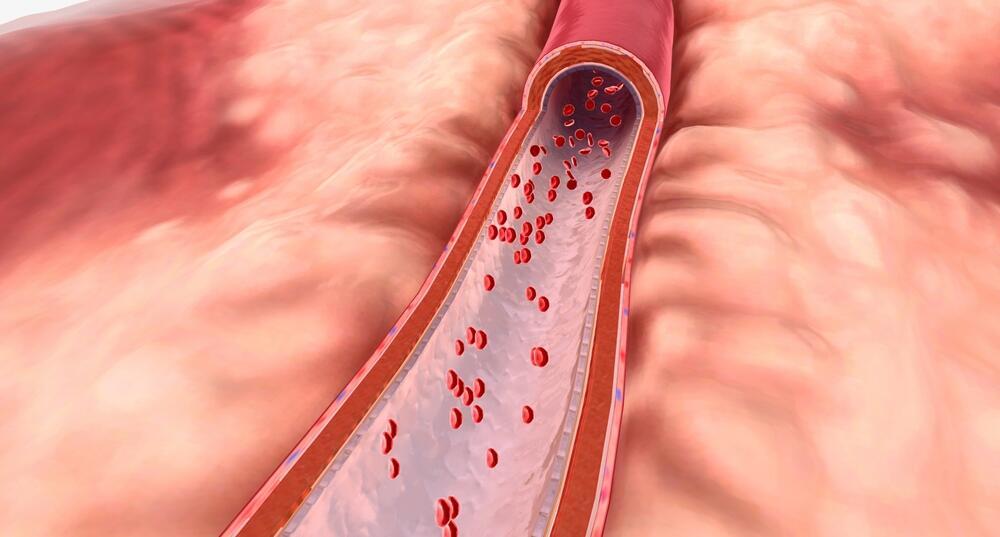
Arteries
(Photo: shutterstock)
There are also sex-specific contributors. Chronic inflammatory diseases such as lupus were responsible for nearly 10% of risk, while early menarche, early childbirth, multiple pregnancies, and premature menopause all added measurable risk through shortened estrogen exposure. Estrogen plays a protective vascular role, and its absence accelerates disease processes.
Interestingly, the study also showed a protective effect: women who had used oral contraceptives saw a 12% reduction in heart failure risk. With more than 80% of women in the study reporting contraceptive use at some point in their lives, this finding underscores the need for gender-tailored research and prevention strategies.
For us as cardiologists, the message is clear: heart failure in women is the result of a complex interplay between traditional risk factors and sex-specific influences. Prevention must be holistic, taking into account lifestyle, environment, and reproductive history—not just the numbers on a blood test. Family physicians must ask the right questions: age of menarche, obstetric history, menopausal timing, pregnancy complications. These are clinical signals that can point to future cardiac vulnerability.
 Dr. Bella KoifmanPhoto: Private album
And equally important, women must be empowered partners. Awareness, curiosity, and self-advocacy are critical. Heart failure is preventable, but only if we recognize and address the risk factors—both classic and uniquely female—before irreversible disease sets in.