

Seven researchers from Israel have won prestigious ERC Advanced Grants from the European Union’s Horizon Europe program, awarded to senior scientists with exceptional research achievements over the past decade.
Four of the recipients are from the Weizmann Institute of Science, two are from the Hebrew University of Jerusalem, and one is affiliated with both the Technion and Rambam Health Care Campus.
The grants give outstanding researchers the opportunity to pursue ambitious, curiosity-driven projects that could lead to major breakthroughs. They cover a broad range of fields at the forefront of research, from life sciences and exact sciences to the humanities and social sciences.
Weizmann Institute of Science
Prof. Schraga Schwartz, Department of Molecular Genetics
Prof. Schraga Schwartz’s lab at the Weizmann Institute’s Department of Molecular Genetics studies RNA, the essential molecule that translates genetic information into cellular action.
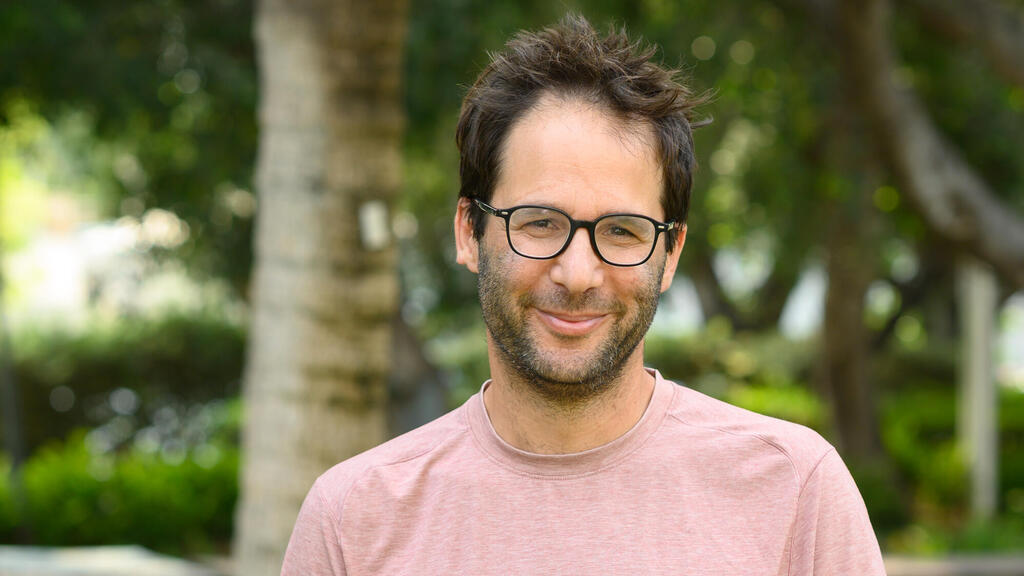
With the new ERC-funded project, his lab will develop a new “tool kit” that will make it possible to write different chemical marks onto RNA molecules. This will allow researchers to track their path inside the cell, understand how they are regulated and even change the way they function.
In the long term, such tools could open new paths for understanding disease and developing RNA-based treatments that influence genetic information without changing the DNA itself.
Prof. Rotem Sorek, Department of Molecular Genetics
Prof. Rotem Sorek’s research group studies the immune system of bacteria, which they use to defend themselves against viruses.
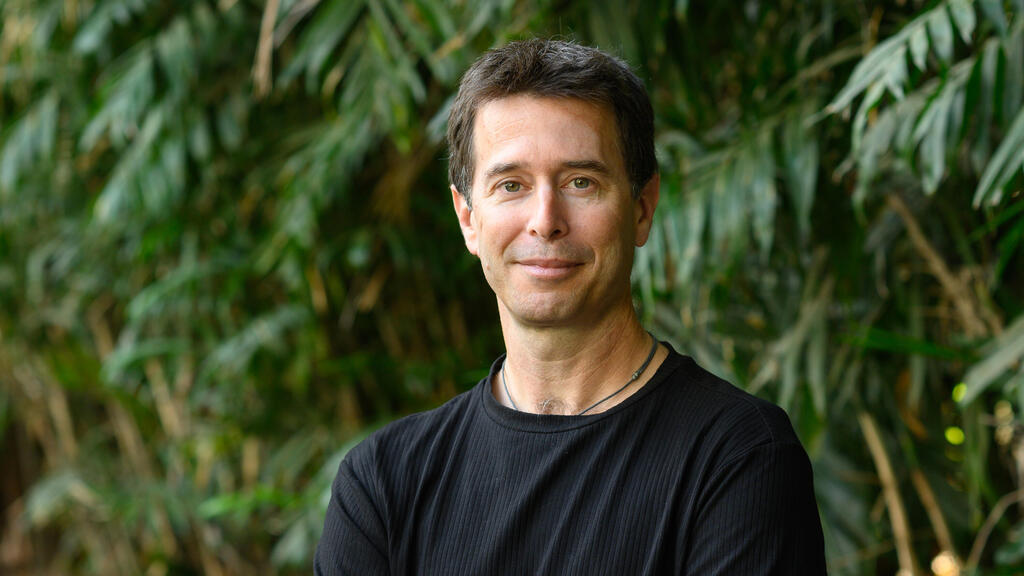
Prof. Rotem Sorek
(Photo: Weizmann Institute of Science)
Breakthrough studies from his lab in recent years have shown that bacteria have hundreds of different types of immune systems, and that the human immune system evolved from bacterial immune systems.
The goal of the new ERC-funded project is to use bacterial immunity to discover previously unknown components of human immunity. The findings could help develop drugs for autoimmune diseases.
Prof. Doron Kushnir, Department of Particle Physics and Astrophysics
Type Ia supernovas are massive stellar explosions that serve as cosmic measuring tools, allowing astronomers to calculate the rate at which the universe is expanding and map its history.
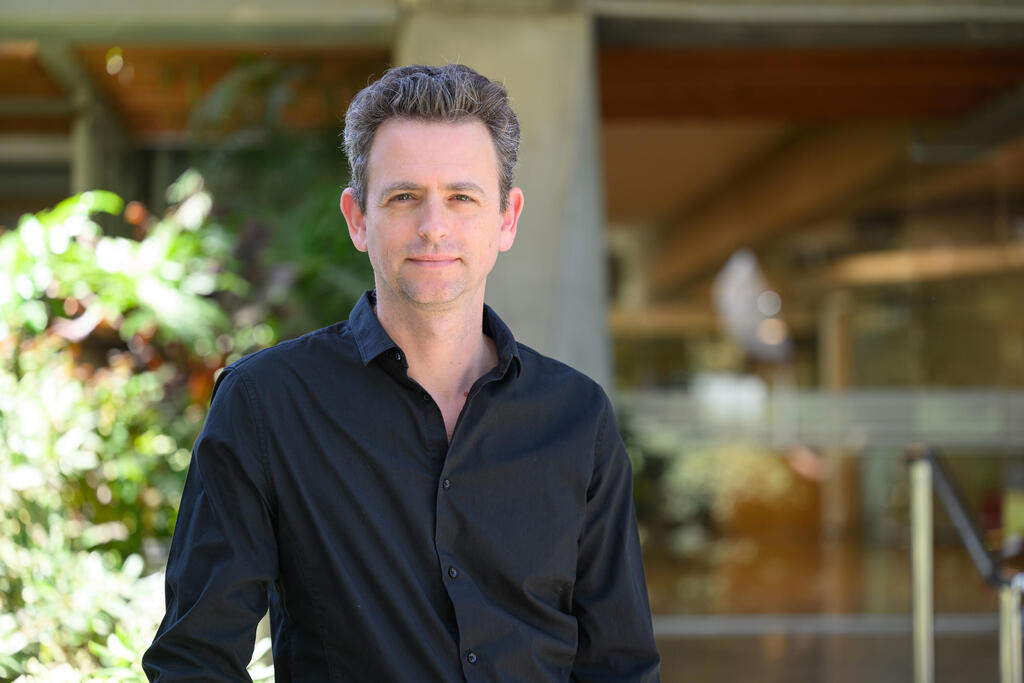
Prof. Doron Kushnir
(Photo: Weizmann Institute of Science)
Despite their crucial role in cosmology, scientists still do not know exactly which star systems cause these explosions or how they actually begin.
As part of his new ERC-funded project, called SNAP3D, researchers in Prof. Doron Kushnir’s group at the Weizmann Institute’s Department of Particle Physics and Astrophysics will use supercomputers to calculate these explosions in advanced three-dimensional simulations with unprecedented detail. The project is expected to help solve a decades-old mystery.
Prof. Ofer Yizhar, Department of Molecular Neurobiology
Infancy is a critical stage in the development of the bond between babies and their parents, and in shaping social abilities later in life.
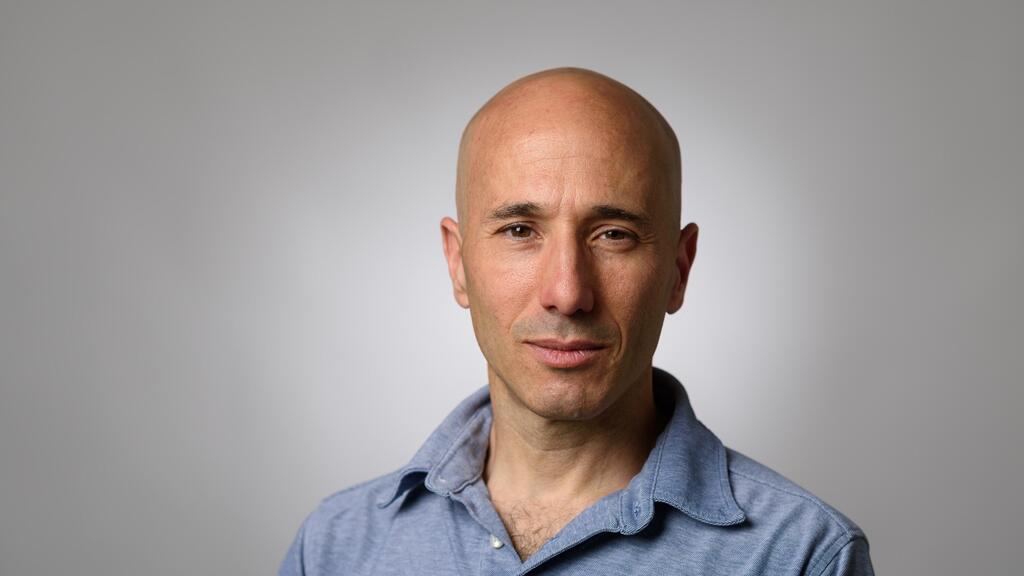
Prof. Ofer Yizhar
(Photo: Weizmann Institute of Science)
Prof. Ofer Yizhar’s lab at the Weizmann Institute’s Department of Molecular Neurobiology focuses on this period, studying the development and function of neural circuits responsible for social behavior.
In a recent study, researchers from his group showed that oxytocin, a substance that plays a central role in regulating social behavior, also plays an important role in the developing brain.
The new ERC-funded project seeks to uncover the mechanisms through which oxytocin-producing neurons affect neural circuits early in life, and how they shape sensory perception, learning and social behavior.
To do so, the researchers will use advanced neurotechnologies they developed, which make it possible to track the activity of neurons and influence them with high precision. The research is expected to deepen understanding of how the social brain develops and shed light on the early origins of difficulties in social functioning and neurodevelopmental disorders.
Hebrew University of Jerusalem
Prof. Yuval Dor and Dr. Agnes Klochendler, Faculty of Medicine, Institute for Medical Research Israel-Canada
The project led by Prof. Yuval Dor and Dr. Agnes Klochendler focuses on uncovering the earliest stages that lead to the development of Type 1 diabetes, also known as juvenile diabetes. The autoimmune disease occurs when the body’s immune system destroys the insulin-producing beta cells in the pancreas.
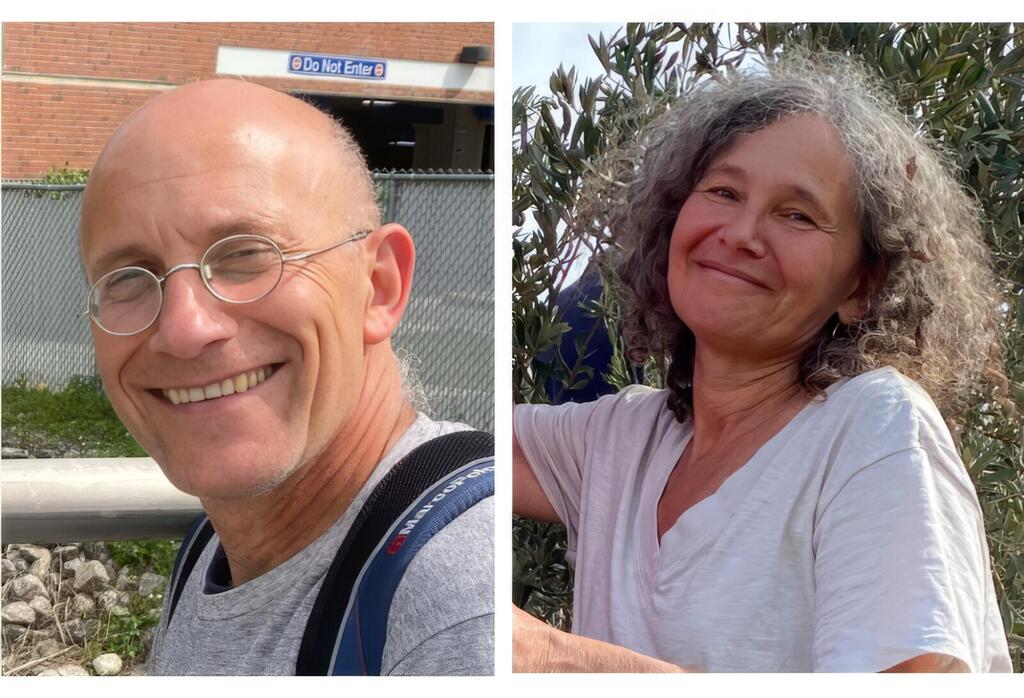
Prof. Yuval Dor and Dr. Agnes Klochendler
(Photo: Prof. Yuval Dor’s lab)
The current grant was awarded for the development of an innovative model for the origins of the disease. The model challenges the common view that viral infections are the main trigger for its onset.
Their research suggests that the initial cause of juvenile diabetes may instead be an internal metabolic disruption in a process known as “RNA editing” inside the beta cells themselves.
By studying how defects in RNA editing could trigger autoimmune responses, the researchers hope to uncover entirely new mechanisms that could lead to treatments targeting the disease in its earliest stages, and even prevent it before significant damage is caused to pancreatic cells.
Technion and Rambam Health Care Campus
Prof. Lior Gepstein, physician-scientist at the Technion and Rambam Health Care Campus
Prof. Lior Gepstein, a faculty member at the Ruth and Bruce Rappaport Faculty of Medicine at the Technion and director of the cardiology department and research division at Rambam Health Care Campus, received the grant for developing a new approach to studying and treating heart rhythm disorders.
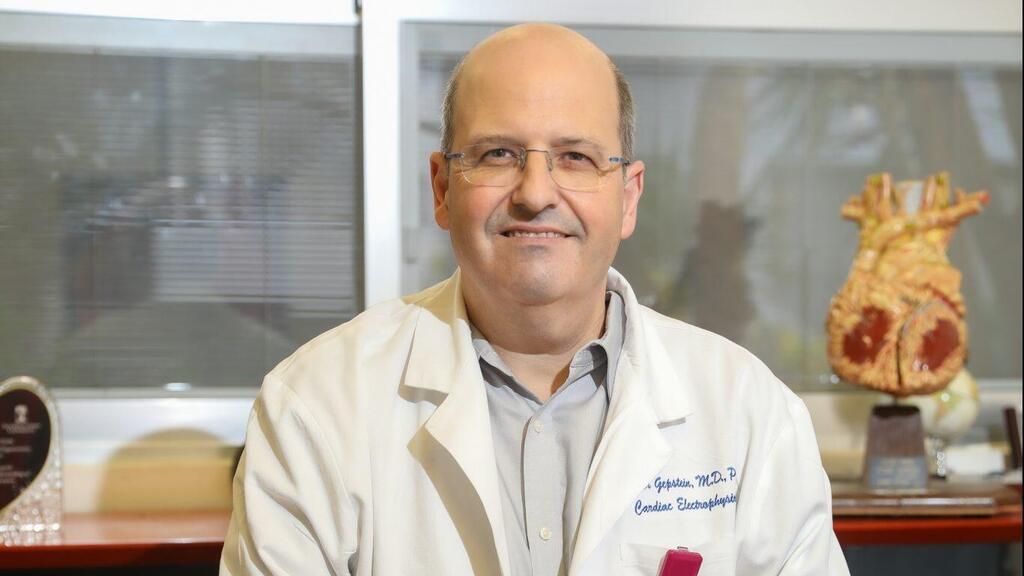
Prof. Lior Gepstein
(Photo: Rambam Health Care Campus)
Heart rhythm disorders such as atrial fibrillation and ventricular arrhythmias lead to significant illness and mortality. In many cases, however, the mechanisms behind them remain unclear, and existing treatments are insufficient.
Prof. Gepstein is developing advanced three-dimensional models of human heart tissue that recreate the characteristics of individual patients. He combines them with new optogenetic interventions for studying and treating heart rhythm disorders.
The development supported by the grant will combine subtypes of heart cells derived from induced pluripotent stem cells, photolithography and 3D bioprinting, providing a new medical approach to heart rhythm disorders.