


A photo of Mohammed Al-Matouq, a one-and-a-half-year-old Palestinian toddler from the Gaza Strip, sparked international attention after being published by major media outlets including CNN, The New York Times and the BBC.
The image showed Mohammed held by his mother, wearing a makeshift diaper made from a plastic bag, appearing extremely thin and frail. The photo was widely portrayed by Hamas and global media as depicting a child suffering from extreme starvation due to humanitarian conditions in the Gaza Strip.
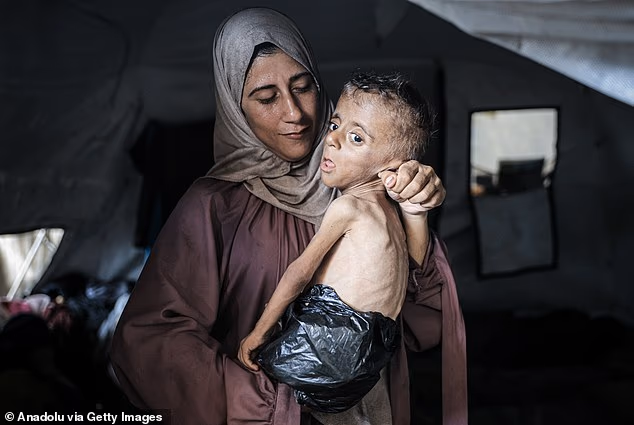
Mohammed Al-Matouq
(Photo: Ahmad al-Arini)
However, new medical information disclosed last week reveals that Mohammed suffers from multiple serious health conditions including cerebral palsy affecting his muscles and mobility, hypoxia—a lack of oxygen to tissues—that caused brain damage and a rare genetic syndrome impacting his development and posture. These conditions have been further compounded by severe malnutrition which worsened amid deteriorating living conditions and shortages of appropriate food, nutritional supplements, basic medicines and medical care.
According to a medical report signed by a pediatrician in Gaza, Mohammed has required specialized medical nutrition and ongoing monitoring since birth. However, current circumstances have made access to such care nearly impossible. Investigative journalist David Collier brought the medical report and the child’s complex medical background to public attention through posts on the social media platform X.
Dr. Ehud Banne, director of the Genetic Institute and co-director of the Magen Center at Israel’s Wolfson Medical Center, said that definitive medical conclusions cannot be drawn from a single photo. “The child appears very thin and barely moves, but we don’t know his height, head circumference or developmental level,” Banne said. “Failure to thrive can be caused by malnutrition, congenital disease or a combination of both.”
Banne explained that cerebral palsy is typically the result of an isolated birth-related event such as oxygen deprivation, but sometimes genetic diseases can mimic its symptoms. “There are inherited disorders called leukodystrophies that affect the nervous system causing developmental delays and weakness often seen in populations with close-relative marriages,” he said. “Metabolic diseases causing enzyme deficiencies can also produce similar symptoms.”
The doctor emphasized the importance of family history and detailed birth information, both of which remain unavailable. He noted that the term hypoxia, cited in the medical report, describes a physiological state rather than a diagnosis and does not clarify the cause or duration of oxygen deprivation.
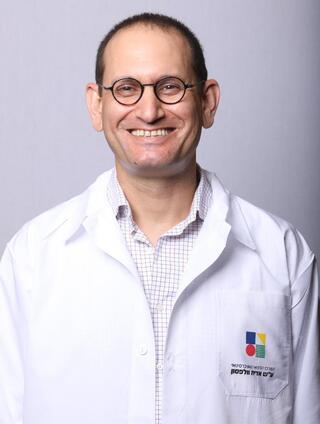 Dr. Ehud Banne
To establish a precise diagnosis, Banne said comprehensive testing is necessary including brain MRI scans, neurological exams, metabolic screenings and advanced genetic testing such as exome sequencing — procedures routinely performed at Wolfson.
Get the Ynetnews app on your smartphone: Google Play: https://bit.ly/4eJ37pE | Apple App Store: https://bit.ly/3ZL7iNv
While recognizing the difficulties faced by families in Gaza, Banne highlighted the availability of free extensive genetic screening in Israel that can detect hundreds of inherited and metabolic diseases early, potentially saving lives or preventing suffering.
The case of Mohammed Al-Matouq underscores the challenges of interpreting complex medical conditions in conflict zones especially when access to healthcare and diagnostic tools is severely limited.