

"There is nothing to worry about," parents tell their kid on their first flight for a family vacation abroad. But a second later, one parent closes their eyes while the other white-knuckles the armrest and goes completely quiet. The child does not remember the reassuring words; they remember what they saw. This is how fear gets passed down from parent to child.
In a classic 1985 study published by Sorce and colleagues in Developmental Psychology, researchers found that one-year-olds looked at their mother's emotional cues to figure out how to react in ambiguous situations: when the mother looked happy or interested, most babies moved forward; when she showed fear or anger, very few did. A comprehensive 2023 meta-analysis by Nimphy and colleagues in Clinical Child and Family Psychology Review showed that watching parents react with fear to new situations directly increased fear and avoidance in infants.
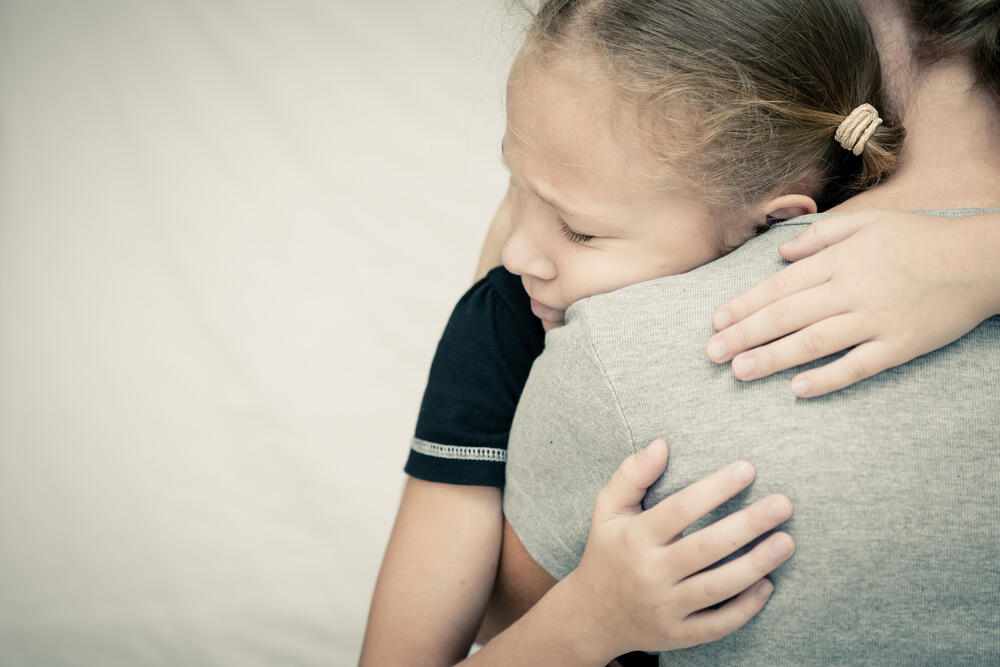
When you tell a child "I'm not scared at all," but your voice, face, and body say the exact opposite, the child hears one thing and senses another. That disconnect is confusing, leaving the child wondering which signal to trust.
The real question is not whether our kids will see us scared. They will. The question is what they see us do when we feel that fear. A parent who fears flying but gets on the plane anyway; a parent who gets anxious about a blood draw, takes a breath, and goes through with it; a parent who gets startled for a second and then reality-checks the room before reacting, teaches their child something deeper.
The lesson is not that fear does not exist, but that you can feel afraid and still cope. Because of that, how we face our own fears becomes a teaching moment.
So what can you do the next time your child sees you feeling scared?
Name what is happening. Saying "I'm feeling a little nervous right now" is often far more helpful than saying "I'm totally fine," especially when the child can clearly see you are not.
Model coping, not just the fear. "I'm a little stressed, so I'm pausing to take a deep breath"; "Let's check if there is any real danger here"; "I'm nervous, but I can still do this."
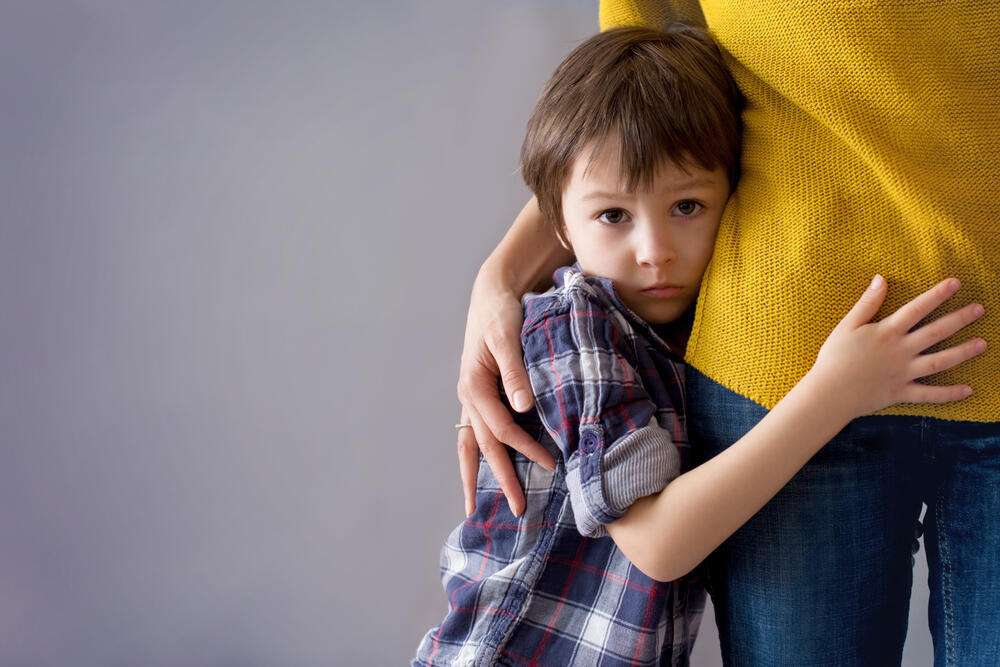
(Photo: Shutterstock)
Watch out for avoidance. If every time we feel afraid, we back off, give up, or walk away, our kids learn that the way to handle fear is to avoid it. When it is safe and appropriate, show them that fear does not have to dictate our choices. It is okay to be scared and still check things out, step closer, or do what needs to be done.
Drop the pressure to be fearless. Kids do not need a perfect, calm-all-the-time parent. They need an adult who can feel fear, recognize what is happening, regulate themselves, and choose how to act. In other words, someone who navigates a world with real fear without letting fear take the wheel.
Maybe that is the most valuable takeaway we can pass on to our children: how to live in a world where fear exists without letting it run our lives, and how to sit with that fear when it shows up. They see that you can get startled and pause, feel the emotion, check reality, and still decide how to move forward. Over time, these moments build real self-efficacy and resilience, giving kids the tools to face new, uncertain situations, work through them, and keep going even when fear is in the room.
- Edna Arbel is an integrative psychotherapist and Head of the Integrative Department at Medical Care Integrative Rehabilitation Hospital in Israel.