

A simple addition of beetroot juice to a daily routine may shed light on one of the more surprising links in healthy aging: the connection between oral bacteria and blood pressure.
A study conducted at the University of Exeter in the United Kingdom found that older adults who drank nitrate-rich beetroot juice twice a day for two weeks experienced a significant reduction in blood pressure. The effect was not observed among younger participants, even though the beetroot juice altered the composition of oral bacteria, known as the oral microbiome, in both age groups.
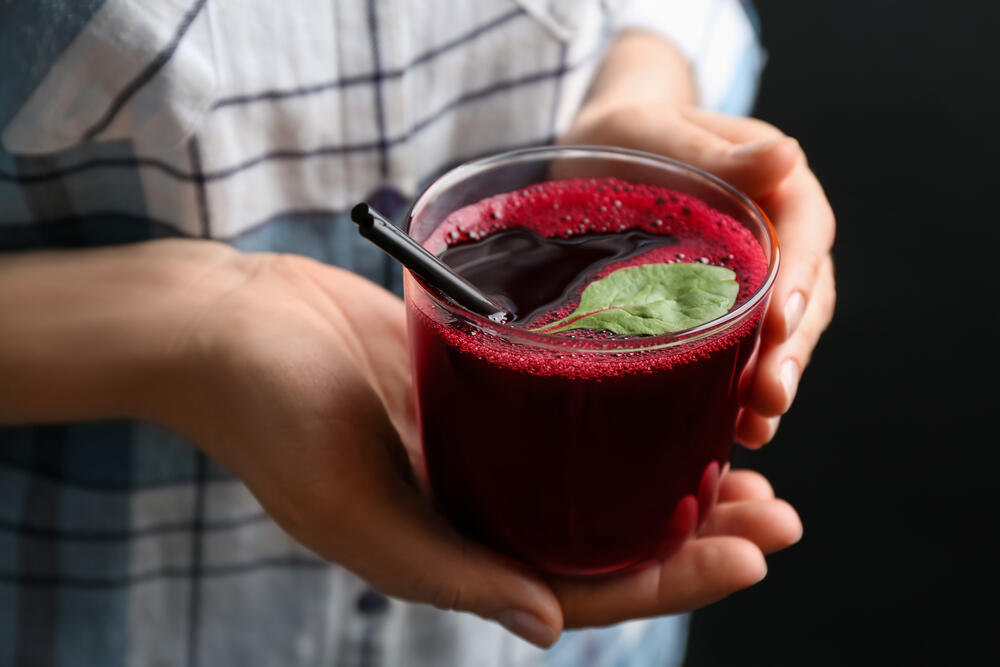
The study, published in the scientific journal Free Radical Biology and Medicine, is the largest of its kind to examine how dietary nitrates affect oral bacteria, nitric oxide biology and blood vessel responses in younger and older adults.
What does the mouth have to do with it?
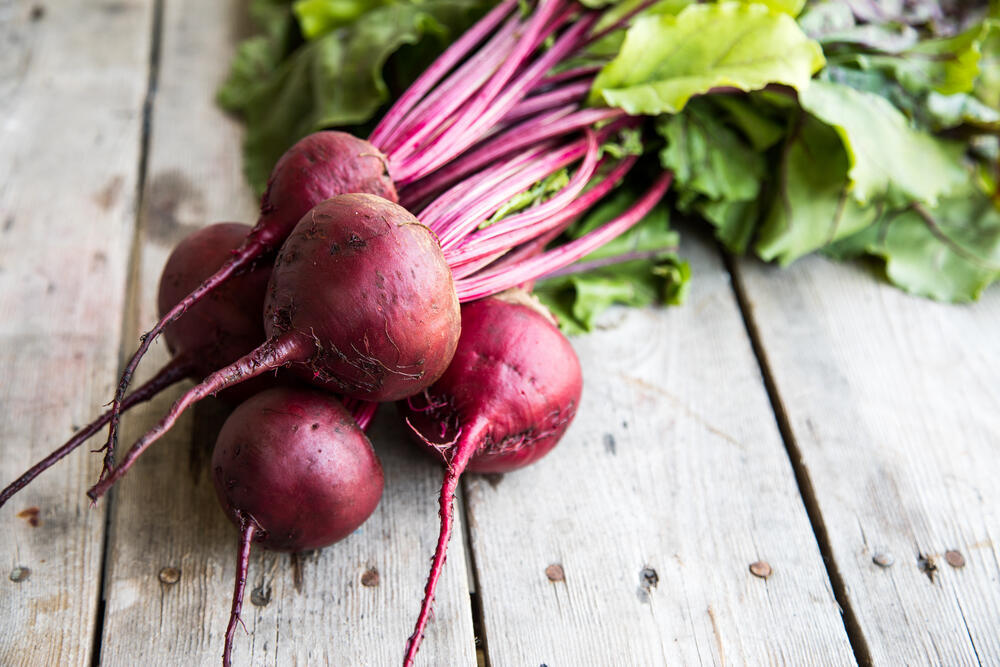
Nitrates occur naturally in many vegetables and play an important role in the body. Beetroot is particularly rich in nitrates, but it is far from the only source. Spinach, arugula, fennel, celery and kale are also considered good dietary sources.
A key step in the process takes place before nitrates ever reach the bloodstream. Certain bacteria in the mouth help convert dietary nitrates into compounds that ultimately support the production of nitric oxide. Nitric oxide helps blood vessels relax and function properly, a process that is essential for healthy blood pressure regulation.
When the balance of oral bacteria shifts in an unfavorable direction, the conversion of nitrates into nitric oxide may become less efficient. Researchers found evidence that beetroot juice altered the oral microbiome of older adults in a way that appeared to support this pathway.
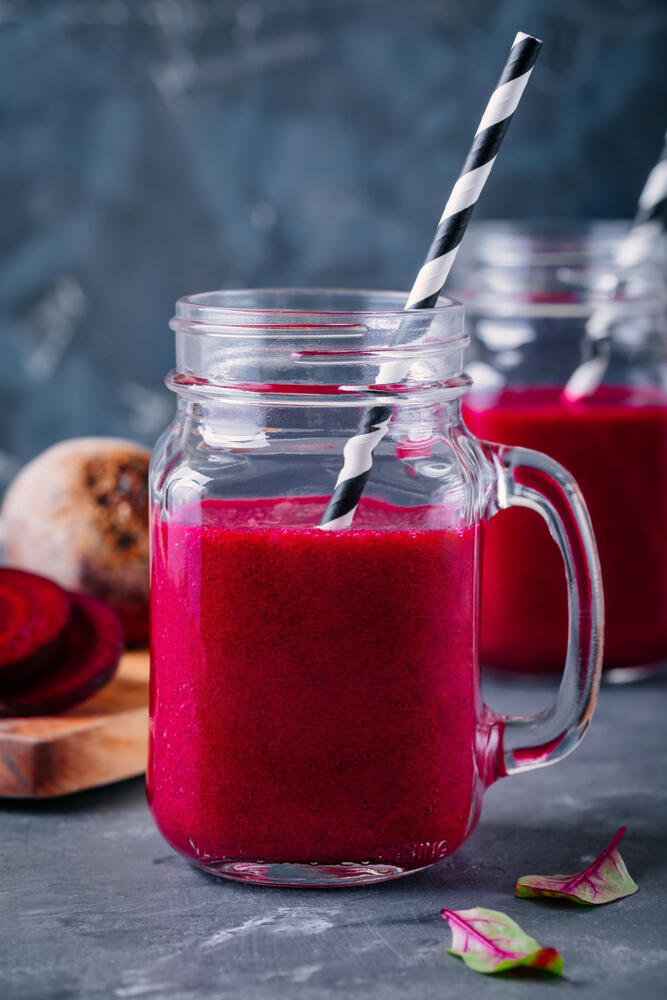
(Photo: nblx / Shutterstock)
The two-week beetroot juice trial
The study included 39 adults under age 30 and 36 older adults in their 60s and 70s. Participants were recruited through the NIHR Exeter Clinical Research Facility, which operates on behalf of the U.K.'s National Institute for Health and Care Research. The study was supported by Exeter's Clinical Trials Unit and funded through a Biotechnology and Biological Sciences Research Council industry partnership grant.
Participants completed two separate two-week phases. During the first phase, they drank fixed amounts of nitrate-rich beetroot juice. During the second, they consumed a placebo beverage consisting of beetroot juice from which the nitrates had been removed. A two-week washout period separated the phases to minimize carryover effects.
Researchers then used bacterial genetic sequencing to identify which microbes were present in participants' mouths before and after each phase. Both age groups showed significant changes in their oral microbiomes after drinking nitrate-rich beetroot juice. However, the changes differed between younger and older participants.
Among older adults, beetroot juice was associated with a marked decline in Prevotella, a group of oral bacteria that researchers described as potentially harmful. At the same time, bacteria associated with health benefits, including Neisseria, became more prevalent.
The older participants entered the study with higher average blood pressure than the younger group. After the nitrate-rich beetroot juice phase, their blood pressure fell. The reduction was not observed after the placebo phase and did not occur among younger participants.
The nitric oxide connection
The findings point to a possible reason why beetroot juice may be particularly beneficial later in life.
As people age, they tend to produce less nitric oxide. Reduced nitric oxide availability can impair blood vessel function.
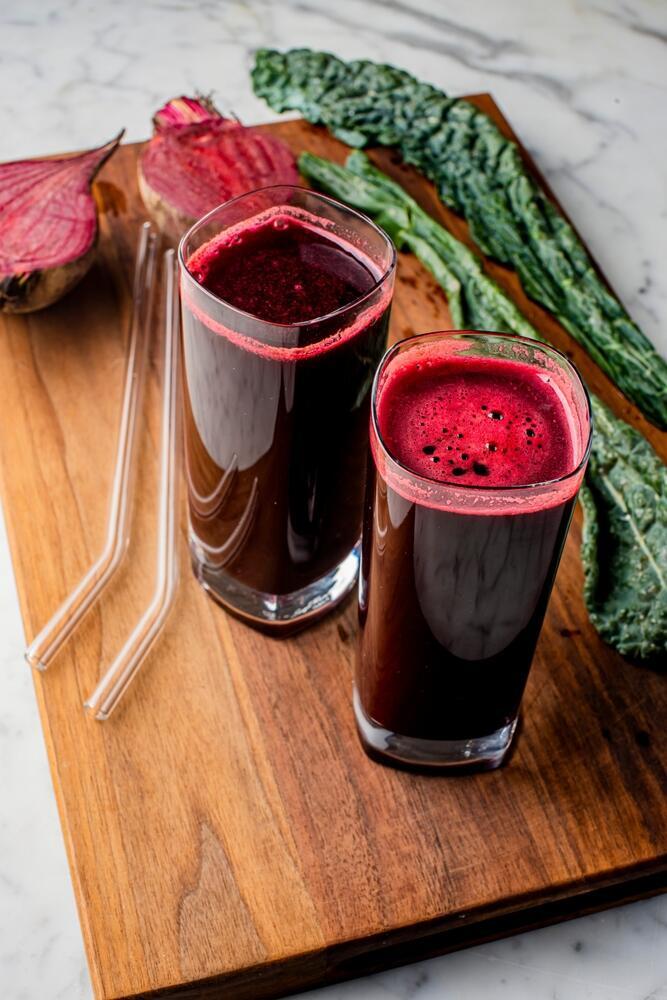
(Photo: RFondren Photography / Shutterstock)
"We know that a nitrate-rich diet has health benefits, and older people produce less nitric oxide as they age," said study author Prof. Anni Vanhatalo of the University of Exeter. "They are also more likely to have higher blood pressure, which can be linked to health complications such as heart attacks and strokes. Encouraging older adults to consume more nitrate-rich vegetables could provide significant long-term health benefits. The good news is that if you don't like beetroot, there are plenty of nitrate-rich alternatives, including spinach, arugula, fennel, celery and kale."
The findings suggest that beetroot juice does not work solely through the nutrients it provides. It may also exert its effects by altering the microscopic ecosystem in the mouth that helps unlock those nutrients.
Follow-up studies add to the evidence
Subsequent research has continued to strengthen the idea that oral bacteria play a central role in how nitrates affect the body.
In another study conducted last year among 15 adults receiving treatment for hypertension, four weeks of nitrate-rich beetroot juice selectively altered the oral microbiome. Levels of Neisseria increased, while Veillonella declined. The gut microbiome, however, showed no significant changes.
The same research program reported that nitrate supplementation affected nitrate metabolism but did not lead to sustained improvements in blood pressure or blood vessel function in that treated group. The findings suggest that responses may depend on factors such as overall health status, medication use, study design and the composition of participants' oral microbiomes at baseline.
A 2026 pilot study also highlighted the importance of the mouth in nitrate biology. Researchers found that chlorhexidine, an antiseptic mouthwash, disrupted nitrate processing and reduced nitric oxide synthesis in the stomach. At the same time, dietary nitrate supplementation partially preserved microbial activity and nitric oxide-related signaling during use of the antiseptic.
Other studies have raised similar questions about antibacterial mouthwashes. Research published in 2025 in Scientific Reports, a Nature journal, and conducted in rats found that a mouthwash containing nitrates and antioxidants supported oral bacteria involved in nitrate and nitrite reduction and was associated with lower blood pressure compared with chlorhexidine treatment.
Because that study was conducted in animals, its findings cannot be directly applied to humans. However, it adds to broader evidence suggesting that oral bacteria can influence nitrate metabolism.
Effects may appear within hours
Beyond the cumulative effects observed over two weeks, previous research suggests that beetroot juice may lower blood pressure in the short term as well.
Notable studies, including research from Queen Mary University of London published in a journal of the American Heart Association, found that the greatest reductions in blood pressure typically occur about two to three hours after consumption. That time frame coincides with peak nitrite levels in the bloodstream.
The blood vessel-widening effects may last for up to 24 hours after consumption, highlighting the importance of regular daily intake for maintaining long-term benefits.
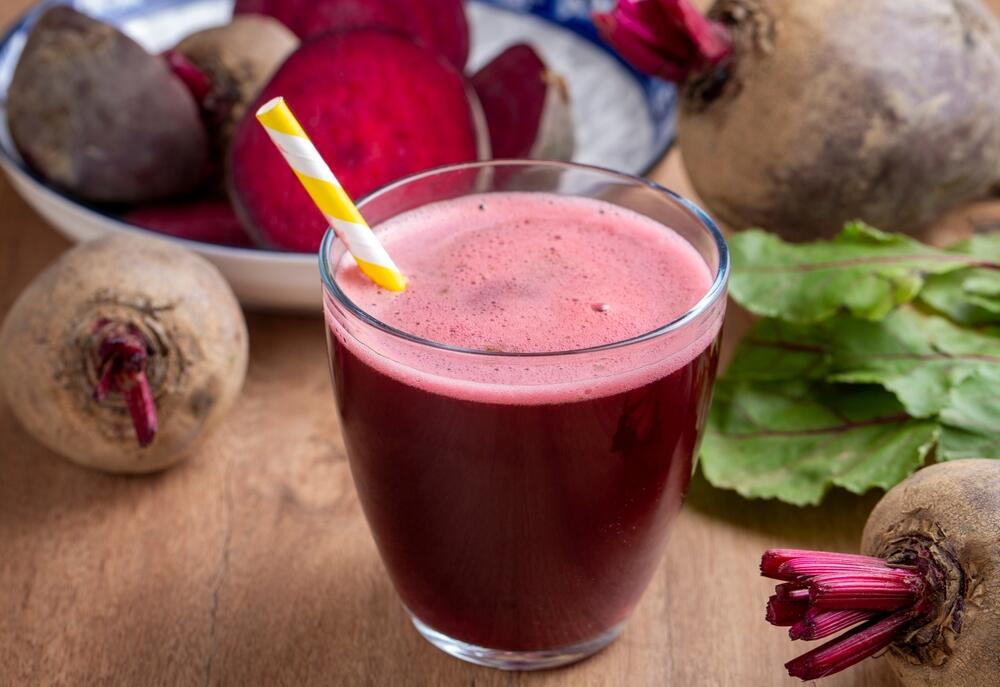
(Photo: Esin Deniz / Shutterstock)
How should these vegetables be consumed?
To maximize the amount of nitrates that reach the plate, and the mouth, experts and health organizations that promote dietary approaches to blood pressure control recommend paying close attention to food preparation methods.
Because nitrates are water-soluble, boiling nitrate-rich vegetables such as spinach, beetroot and celery can cause a substantial portion of these compounds to leach into the cooking water.
As a result, the most effective ways to preserve nitrates are to consume the vegetables fresh, such as in juice or raw salads, or to prepare them through roasting or light steaming, which helps retain nitrate concentrations within the vegetables.
A potential dietary strategy for healthy aging
Study co-author Prof. Andy Jones of the University of Exeter said: "This study shows that nitrate-rich foods alter the oral microbiome in a way that may reduce inflammation and lower blood pressure in older people. It paves the way for larger studies investigating how lifestyle factors and biological sex influence responses to dietary nitrate supplementation."
(Photo: Shutterstock)
The findings do not suggest that beetroot juice should replace medication or other evidence-based approaches to blood pressure management. However, they do indicate that nitrate-rich vegetables could serve as a practical addition to a heart-healthy lifestyle, particularly in older age.
The research also points toward a more personalized future for nutrition. Two people may eat the same nitrate-rich foods yet respond differently because their oral microbiomes process nitrates in different ways.