

Potatoes in the fridge? It’s probably not the healthiest choice
Many people store potatoes in the refrigerator, assuming that cold temperatures help preserve freshness. In reality, cold alters the chemical makeup of the potato. At very low temperatures, the starch—a complex carbohydrate—breaks down into simple sugars as part of the plant’s natural defense response.
When such a potato is fried or baked at high heat, those sugars can react and form acrylamide, a compound that studies have linked to potential health risks from long-term exposure.

There’s no need to avoid potatoes, but it’s important to store them properly: in a cool—but not cold—dry, dark place. Before frying or baking, it’s advisable to soak cut potatoes in cold water for 15 to 30 minutes, which helps remove some of the sugars. Cooking methods also matter—light golden is better than dark brown, and boiling or steaming doesn’t produce the problematic compound at all.
The hidden risk of washing raw chicken
Washing chicken before cooking is a classic example of the gap between the feeling of cleanliness and microbiological reality. Many people rinse raw chicken to remove “dirt” or slime, but science shows this doesn’t clean the meat—it spreads bacteria.

(Photo: Shutterstock)
When tap water hits raw chicken, it doesn’t stay in the sink. Because chicken skin is soft and pliable, water splashes in all directions, creating an invisible mist. That mist can carry bacteria to kitchen surfaces, utensils, vegetables, clothing and even hands, up to nearly a meter from the sink.
The only way to eliminate the bacteria is through thorough cooking. Heating chicken to an internal temperature of about 74 degrees Celsius (165°F) kills the bacteria and ensures safe consumption. Washing beforehand is not only unnecessary; it’s actively discouraged.
The critical mistake of brushing teeth right after eating
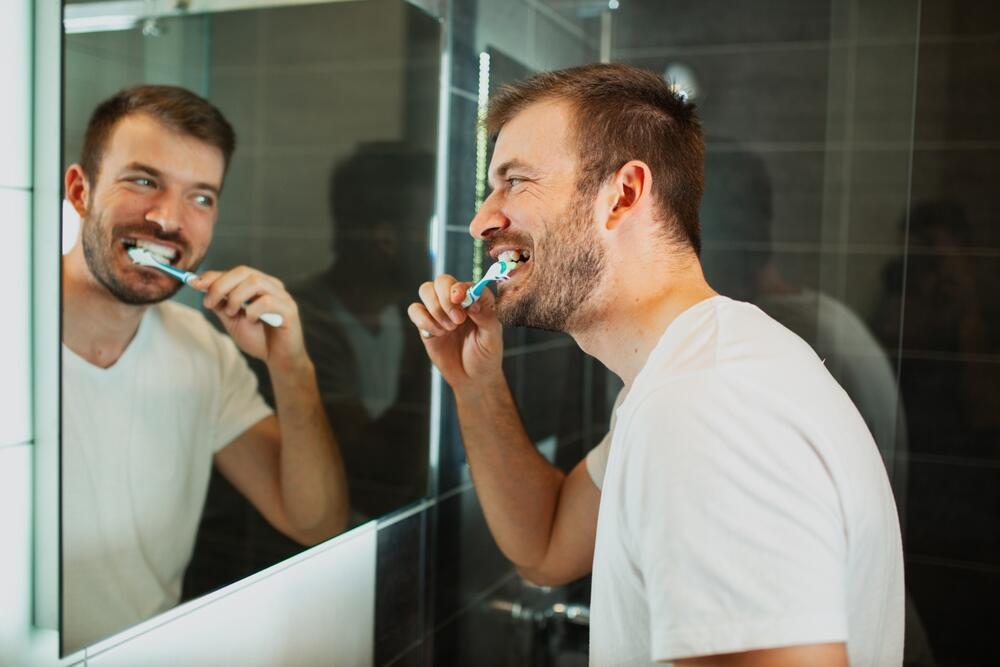
“Brush your teeth after every meal” is a familiar health message, but in today’s acidic food environment, timing is everything. After eating or drinking—especially citrus fruits, juices, coffee or fizzy drinks—the acidity in the mouth rises, and tooth enamel softens temporarily. Brushing at that stage can wear down the enamel, leading to cumulative and irreversible damage. This can result in increased sensitivity, discoloration and a higher risk of cavities.
(Photo: Shutterstock)
Saliva naturally neutralizes the acidity and re-hardens the enamel, but it needs time—typically 30 to 60 minutes. That’s why it’s better to rinse your mouth with water right after eating, and delay brushing for at least half an hour.
The slow-cooling pot myth
“Never put a hot pot in the fridge—it’ll spoil the food.” This long-standing belief, rooted in the days of primitive icebox refrigerators, still leads many to leave cooked dishes out on the counter to cool for hours, sometimes even overnight.

(Photo: Shutterstock)
But when a large, deep pot cools slowly, its inner contents can remain warm for hours—a prime window for bacterial spores to “wake up” and begin multiplying.
Unlike refrigerators of the past, modern units are designed to handle hot food. Their cooling systems and airflow are built to disperse heat relatively quickly, and rapid cooling is actually what keeps food safe.
The rule is simple: cooked food shouldn’t sit out for more than two hours. If two hours have passed, it goes in the fridge—even if it’s still warm.
The quiet damage: how headphones can harm your hearing, and how to use them safely
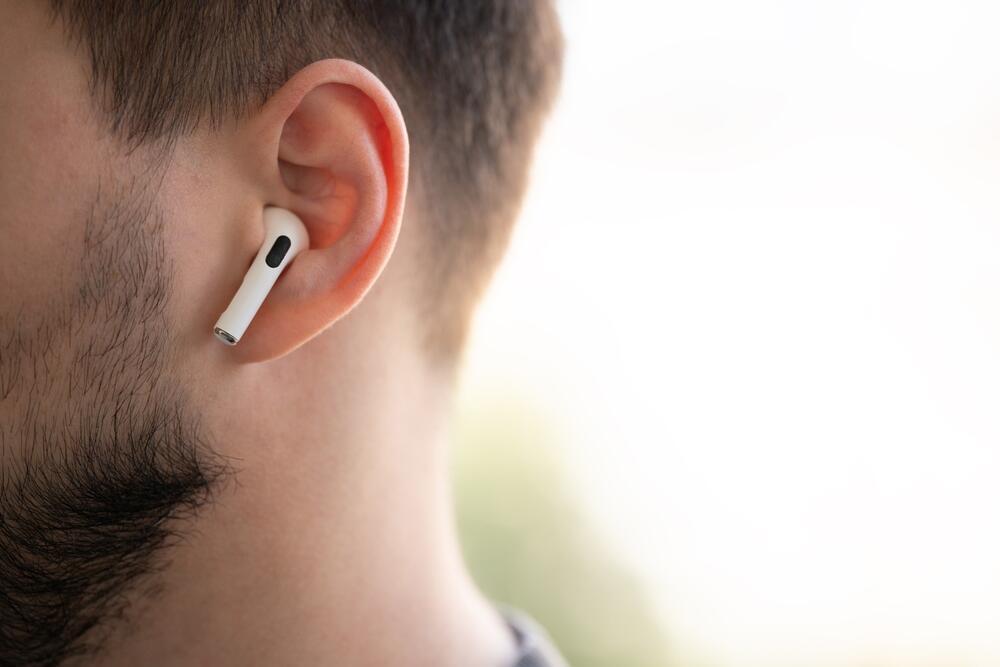
Headphones are a constant part of modern life—at work, while walking, working out or on calls. The problem is that hearing damage from headphones, especially from prolonged exposure to high volume, rarely shows up in real time. There’s no pain, no warning sign and only years later does the hearing loss become apparent. Particularly concerning are in-ear headphones, which sit close to the eardrum.
(Photo: Shutterstock)
The safest option is over-ear headphones, which fully cover the ear. They distribute sound more effectively, block outside noise and allow for lower volume. On-ear headphones, which sit on the outer ear, are also generally better than in-ear models—as long as the volume stays low. Headphones with active noise cancellation can actually help reduce harm by removing the need to turn up the volume in noisy environments.
Golden rules for protecting your hearing:
- Follow the 60/60 rule: no more than 60% volume, no more than 60 minutes at a time (your ears need time to recover)
- If someone nearby can hear your music—it’s too loud
- Ringing or a sense of fullness in your ears after use is a warning sign
Stretching before a workout? Not always a good idea
For years, we were taught to “stretch your muscles before running or strength training to prevent injuries,” but research shows that static stretching—holding a muscle in a stretched position for an extended time—can actually impair performance before physical activity. This type of stretching leads to a temporary drop in muscle strength, reaction speed and stability, and in intense workouts, it may even increase the risk of injury.

(Photo: Shutterstock)
The reason: both the muscles and nervous system enter a state of “relaxation,” which isn’t compatible with activities that require power, speed or explosiveness. In contrast, dynamic warmups—controlled movements that mimic the type of activity to follow, such as joint rotations, light steps, gentle jumps or movement drills—prepare the muscles, tendons and nervous system more effectively and safely.
Static stretching is better saved for after the workout, when the muscles are already warm. At that point, it can help improve range of motion and promote relaxation, without compromising performance.
In short, habits give us a sense of security, but they’re no substitute for knowledge. Science doesn’t dismiss human experience; it refines it.
- The writer is a healthy lifestyle researcher and holds a doctorate in gerontology.