

A single sentence published earlier this year in the British Journal of Anaesthesia (BJA) accusing Israel of the kidnapping, torture and killing of healthcare workers in Gaza has sparked uproar among Israel’s top anesthesiology experts, prompting a rare apology from the journal’s editor.
Prof. Idit Matot, head of anesthesia, pain and intensive care at Sourasky Medical Center in Tel Aviv; Prof. Barak Cohen, chairman of the Anesthesiologists Association in the Israeli Medical Association; and Dr. Shai Fein, head of the Department of Anesthesiology at Rabin Medical Center, issued a sharply worded letter to the journal’s editorial board, criticizing what they described as the improper inclusion of political content in a scientific article, even as they agreed with much of its technical content.
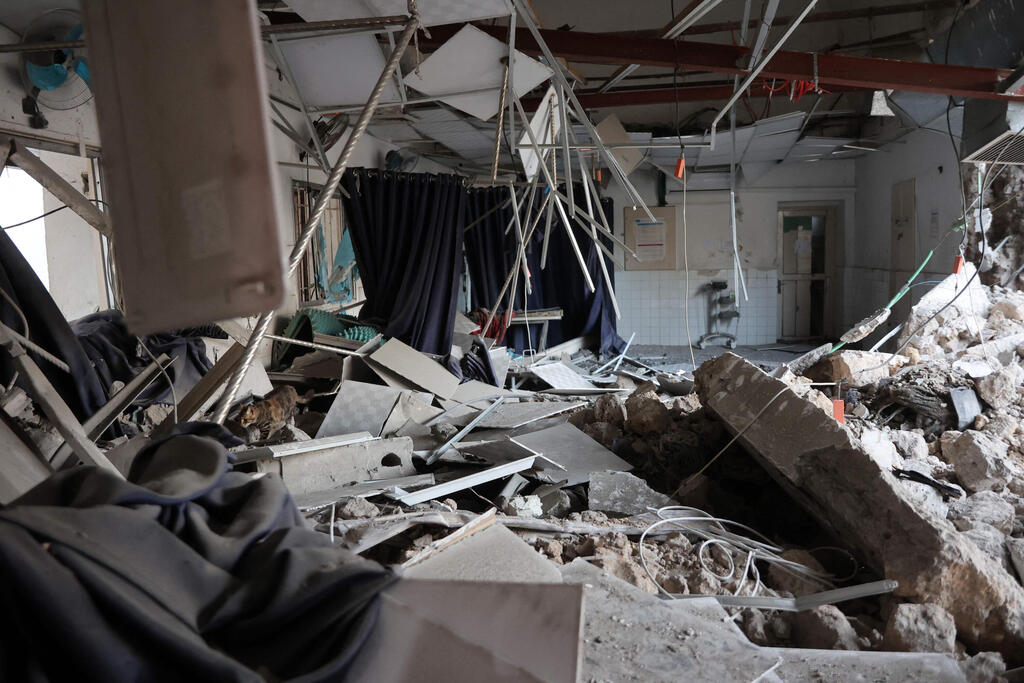
The Baptist Hospital in Gaza City
(Photo: Omar AL-QATTAA / AFP)
The contested article, co‑authored by three Gazan physicians led by Dr. Iyad Abukarsh and three U.S. colleagues, described the challenges facing medical teams in Gaza and conflict zones, creating a need to upgrade anesthesia techniques in order to ensure patients’ safety during procedures.
In their appeal to the BJA editor, the Israeli doctors commended the medical teams for their ingenuity in the face of the severity of the Gaza medical predicament, but singled out a passage stating: “Such resource scarcity, coupled with the widespread destruction of civilian infrastructure and hospitals, including the abduction, torture, and killing of healthcare workers and trained specialists, has driven the remaining local medical professionals to adapt by developing innovative techniques to ensure patient safety during surgery.” This statement was supported by eight references in the original article.
 Dr. Shai Fein Photo: Gadi Kabalo
 Prof. Barak CohenPhoto: Cleveland Clinic
The Israel‑based experts maintained that while the technical thrust of the paper is valid, the claim about targeted violence against medical staff was outside the scope of a scientific anesthesia paper. While reaffirming their solidarity with Gaza’s embattled medical teams, the Israeli doctors emphasized that the suffering of civilians and ethical concerns do not justify the erosion of academic neutrality. They urged the scientific community to distinguish between advocacy and evidence-based research to preserve the integrity of medical literature.
Their protest prompted an unusual editorial response. The BJA’s editor-in-chief issued a rare note of apology, acknowledging that the original article included “politically charged comments.” The editor added: “We agree [with] Cohen and colleagues that Journal content should be restricted to medical and scientific topics relevant to the practice of anaesthesia, which is the policy of the British Journal of Anaesthesia.”
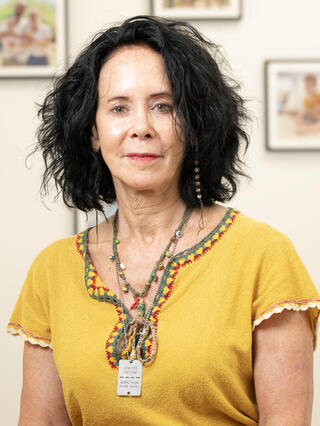 Prof. Idit MatotPhoto: Yuval Chen
Prof. Matot welcomed the editor’s apology as an acknowledgment that the original article had breached the journal’s own standards: “We must call out any medical journal that uses its platform to publish political opinion disguised as science. In our appeal to the editor, we warned against the cynical use of scientific literature to promote political agendas, and the editor accepted our position and apologized.”
This isn’t the first time Israeli physicians have pushed back on what they see as politicized content in academic journals. Earlier this year, Prof. Amit Segev, director of the Division of Cardiology at Sheba Medical Center, published a scathing response to a letter in the New England Journal of Medicine—one of the world’s most prestigious medical publications. The controversial piece, which Prof. Segev accused of being "one-sided," accused the IDF of “crimes against humanity” and claimed the destruction in Gaza resembled that caused by atomic bombs in Hiroshima and Nagasaki, as well as in Aleppo, Mosul, Sarajevo and Kabul.