

A new study examining the psychological and social effects of digital media during the ongoing Israel-Hamas conflict has revealed that intensive reliance on social media for news is significantly associated with higher anxiety and lower perceptions of national resilience among Israelis.
The research, conducted by Prof. Keren Dopelt of the Department of Public Health at Ashkelon Academic College, surveyed 304 adults between February and May 2025 to explore how digital engagement shapes mental health and collective strength under conditions of protracted warfare.
The findings highlight a striking correlation between heavy social media use and elevated anxiety. Respondents reported an average anxiety score of 3.3 out of 5, with two-thirds indicating moderate to high psychological distress.
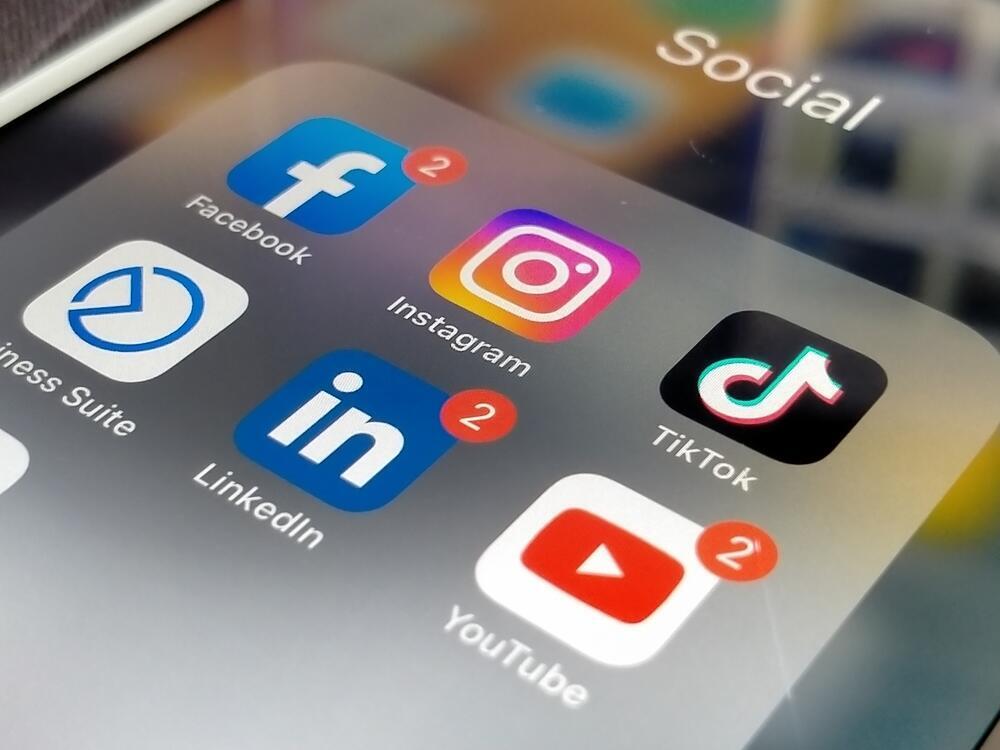
Platforms such as WhatsApp, Instagram and Facebook were the most frequently used for war-related updates, with many participants reporting that their daily news consumption had increased by over two hours since the war began. Statistical analysis confirmed that higher social media use predicted greater anxiety, amplifying emotional strain in an already volatile environment.
National resilience under pressure
At the same time, participants’ perceptions of national resilience, defined as confidence in the nation’s ability to withstand and recover from crisis, were undermined by increased digital exposure. The average resilience score stood at 3.45 out of 5, a moderate level reflecting mixed sentiments of solidarity and vulnerability.
Regression models showed that greater religiosity, lower anxiety and reduced social media use were strong predictors of higher perceived resilience. This suggests that faith provided a psychological buffer against the stress of war, reinforcing optimism and collective cohesion.

(Photo: Shutterstock)
The study also identified significant gender disparities. Women reported higher levels of anxiety than men (3.48 vs. 2.94) and lower perceptions of national resilience (3.34 vs. 3.65). These findings align with prior research indicating that women often bear disproportionate caregiving responsibilities during crises, making them more vulnerable to psychological strain. The results underscore the need to consider gender-sensitive approaches in mental health and resilience-building strategies.
The dual role of social media emerged as a central theme. While platforms provided rapid updates and spaces for solidarity, their emotionally charged and unfiltered content often exacerbated distress. According to the study, exposure to graphic imagery, government criticism and algorithm-driven amplification of fear contributed to heightened insecurity and diminished trust in institutions.
Prof. Dopelt emphasizes that policymakers and public health officials must balance the benefits of digital connectivity with its psychological risks. Recommendations include developing media literacy programs to help citizens critically navigate online content, encouraging healthier patterns of news consumption, and providing clear, measured communication from official sources. Mental health professionals are urged to address the role of media exposure in treatment strategies, helping individuals regulate their engagement during crises
Ultimately, the study highlights the paradox of social media in wartime: a lifeline for information and solidarity, yet also a source of emotional contagion and vulnerability. As conflicts continue to unfold in the digital age, understanding this dual impact will be essential for strengthening collective resilience while mitigating psychological harm.
- Keren Dopelt is an associate professor and the head of the Ethics Committee in the Department of Public Health at Ashkelon Academic College.