

In recent weeks, a familiar online phenomenon has resurfaced: a public appearance by an international star sparks a wave of comparisons and theories. This time it is Jim Carrey, but he is not alone. Selena Gomez, Ariana Grande and others routinely find themselves under a digital microscope, facing claims of “dramatic change,” “secret surgery,” and sometimes even far-fetched replacement theories.
As part of my work as a plastic surgeon, I am often asked about a particular celebrity: “Did they have surgery?” The honest answer, in most cases, is that it is impossible to determine with certainty from a photo. Still, it is possible to professionally assess what might explain a certain change, and what is less likely.
Gallery
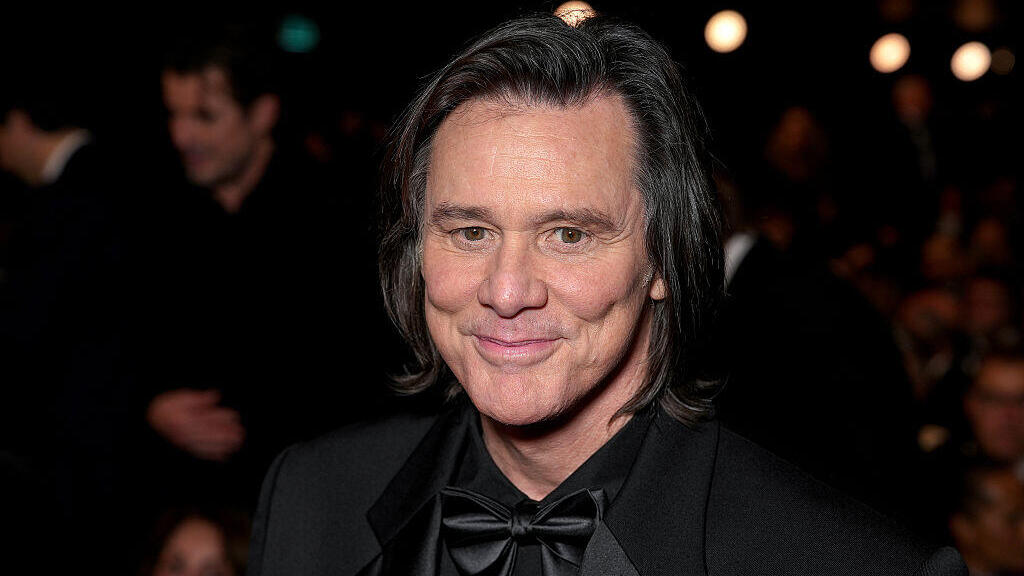
“Non-surgical treatments such as injections can actually create a fuller or puffier look if not performed conservatively,” Jim Carrey
(Photo: Francois Durand/Getty Images)
Faces change naturally over time. Weight loss or gain significantly affects cheek volume and the jawline. Facial expression, camera angle, lighting or makeup can create a completely different appearance. Stress, hormonal changes and non-surgical treatments such as Botox or hyaluronic acid injections can also alter facial dynamics without any surgical procedure. That said, since the conversation already exists, it is important to bring professional accuracy into it.
Jim Carrey: just fillers?
The claims surrounding Jim Carrey mainly focus on a fuller appearance in the cheeks and a slight change in the jawline. Such changes may result from weight gain, but also from volume restoration using fillers. It is important to understand that in relatively older men, facial volume loss is a natural process. So when there appears to be renewed fullness in the cheeks, it is not necessarily a dramatic transformation, but sometimes a subtle correction of what time has reduced. Additionally, Carrey is known for highly dynamic facial expressions, so even a small change in angle or expression can appear more extreme than it actually is.
Contrary to popular belief, modern aesthetic surgery, particularly facelifts, is now performed using advanced techniques designed to preserve a natural and harmonious look. When done correctly, the result does not appear “operated,” but rather like a refreshed version of the same person. In some cases, non-surgical treatments such as injections can actually create a fuller or puffier appearance if not performed conservatively.
Selena Gomez: lupus plays a role
In her case, it is important to remember that she has publicly dealt with lupus, an autoimmune disease that can cause facial swelling, sometimes as a result of steroid treatment. The public tends to interpret any change in facial structure as aesthetic intervention, but in medical conditions like lupus, the body undergoes significant fluctuations in weight, fluid retention and skin appearance.

A complex medical background; Selena Gomez
(Photo: Cindy Ord/Getty Images for SiriusXM)
Gomez has also experienced periods of flare-ups and remission over the years, which may explain variations in her facial appearance from one public appearance to another. A fuller or rounder face does not necessarily indicate injections. In fact, in such cases, the medical challenge is often the opposite, reducing swelling rather than adding volume. It is therefore especially important to avoid automatically attributing aesthetic treatments to individuals with complex medical backgrounds.
Ariana Grande: just makeup?
Over the years, Grande’s face appears narrower and more defined. Such a change may stem from significant weight loss. Beyond that, she has undergone a broader image transformation, shifting from a softer, youthful look to a sharper, more mature appearance. This includes changes in makeup, accentuating cheekbones, and sometimes adjusting eyebrows and hairline, all of which can significantly alter facial proportions to the viewer.

Ariana Grande at last year’s Oscars. Sometimes weight changes and makeup do the job
(Photo: Amy Sussman, Getty Images)
Theoretically, a more sculpted jaw and cheek area can also be achieved through injections to the chin and jawline, or through buccal fat removal. However, there is no definitive indication of invasive surgery, and the simpler explanation of weight and styling changes remains equally plausible. The key point is that not every change is surgery, and not every aesthetic treatment is surgical.
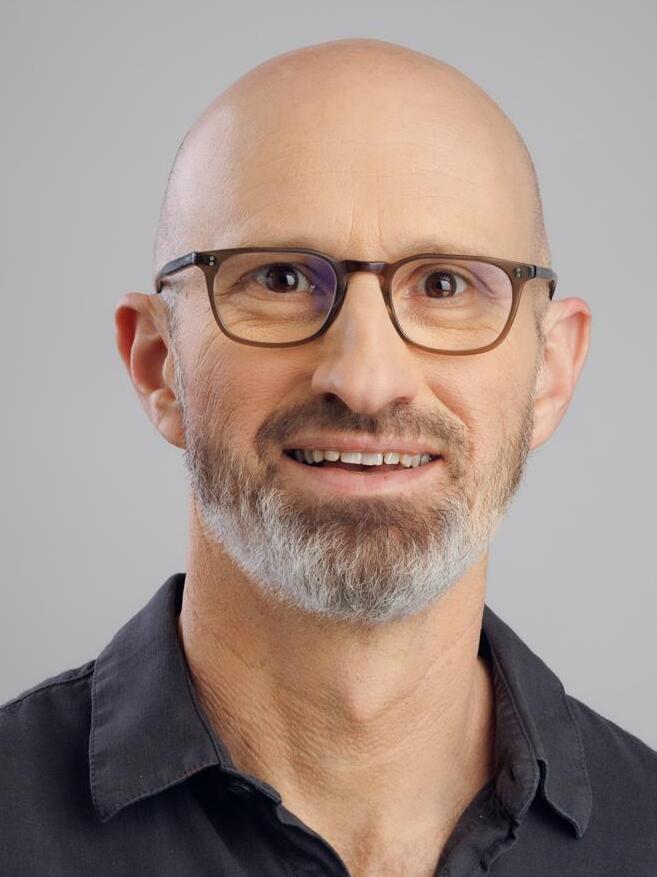 Dr. Eran Milet Photo: Joey Cohen
We live in an era of constant documentation and endless comparison. There is a digital archive of every angle, every phase and every expression. When comparing a photo from a decade ago to a recent one, the change can appear more dramatic than it actually is. As a specialist in plastic surgery, I believe in a professional and balanced discourse around aesthetics, one based on medical knowledge rather than viral speculation. Possible explanations can be suggested, but a definitive conclusion requires a clinical examination, not pixel analysis. Before rushing to conclusions, it is worth remembering that human faces are not static passport photos. They are dynamic, shaped by age, health, weight and treatments, and they naturally change over time.
Dr. Eran Milet is a senior specialist in plastic surgery and a member of the Israeli Society of Plastic and Aesthetic Surgery.