

Healthy, strong and shiny hair is often seen as a sign of vitality and well-being. It is therefore no surprise that pharmacy shelves and social media feeds are packed with foods, supplements and so-called superfoods promising to stop hair loss, encourage growth and restore lost shine.
But can any single food really do all that? The answer is no.
There is no one food that can make hair grow faster or become thicker. Nutrition nevertheless plays an important role in hair health because hair follicles are among the body’s most active tissues and require a steady supply of energy, protein, vitamins and minerals.
Gallery
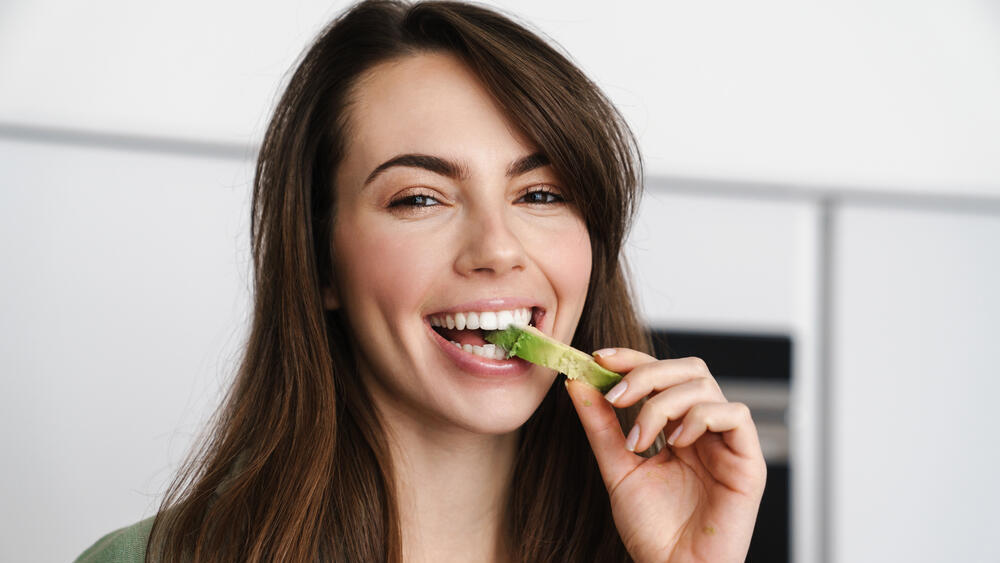
There is no miracle food: What actually affects hair loss and healthy growth
(Photo: Shutterstock)
When nutritional deficiencies develop, hair may be one of the first places where the effects become visible.
The body is designed to prioritize vital systems such as the heart, brain and lungs. When energy or nutrients are scarce, it redirects resources toward the organs most essential for survival.
Processes that are not essential for immediate survival, including hair growth, may slow as a result. This is why people undergoing extreme diets, rapid weight loss, prolonged illness or nutritional deficiencies may notice increased shedding several months later.
There is no miracle food
Despite attractive claims, research has not shown that eating a particular food, such as avocado, chia seeds or eggs, makes hair grow faster in an otherwise healthy person.
A balanced diet containing a wide variety of foods from all major food groups, however, supplies the building blocks needed for normal hair production.
When a genuine deficiency exists, correcting it may improve hair quality and reduce shedding.
Protein: Hair’s basic building material
Hair is made primarily of keratin, a protein that the body produces from amino acids supplied through food.
When protein intake is too low, the body prioritizes those amino acids for muscle maintenance, immune function and other essential processes. Hair production may then suffer.
Good sources of protein include eggs, fish, chicken, lean meat, dairy products, lentils, beans, chickpeas, tofu and other soy products.
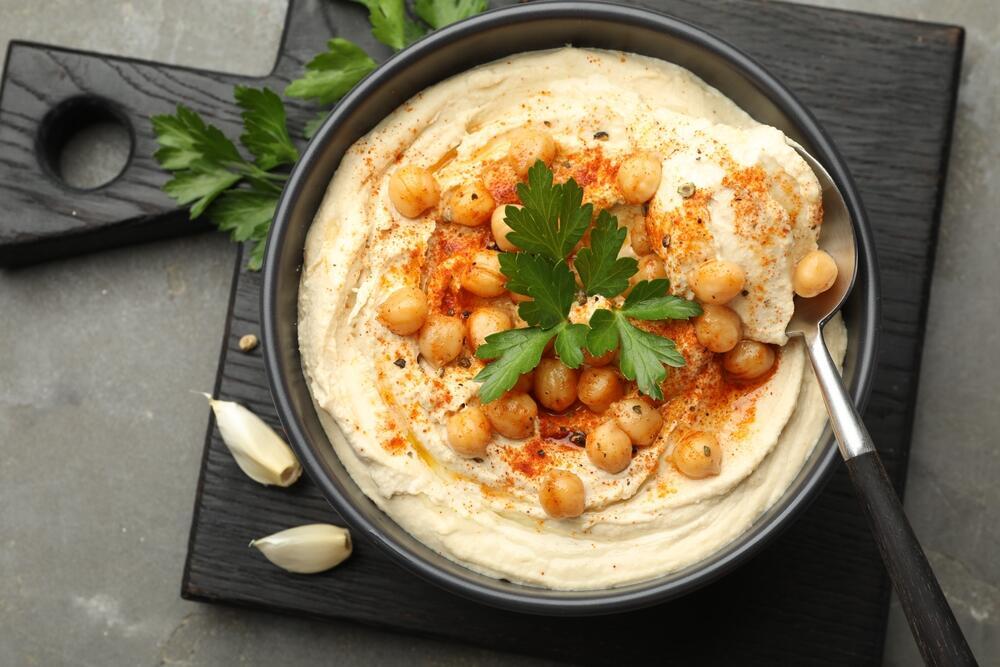
Even a good serving of hummus can help
(תמונה: Shutterstock)
Iron: One of the most important nutrients
Iron deficiency is among the most common nutritional factors associated with hair loss, particularly in women of childbearing age, women after childbirth and people whose diets contain little iron.
Iron is essential for transporting oxygen to cells throughout the body, including those in the hair follicles. When iron levels are low, follicles may enter the resting stage of the hair-growth cycle earlier than usual, leading to increased shedding.
Good iron sources include lean beef, turkey, legumes, tahini, spinach and other leafy greens.
Combining these foods with vitamin C sources such as red peppers, tomatoes or citrus fruit can improve iron absorption.
Zinc: A small mineral with a major role
Zinc is involved in hundreds of processes in the body, including protein production, cell division and tissue repair. It is therefore important for scalp health and normal hair-follicle function.
A significant zinc deficiency can cause hair loss, although this is relatively uncommon among people who eat a varied diet.
Good sources include meat, fish, dairy products, nuts, legumes and pumpkin seeds.
Omega-3 supports scalp health
Omega-3 fatty acids are best known for supporting heart and brain health, but they also contribute to healthy skin and scalp function.
Omega-3 does not directly make hair grow. It can, however, form part of an anti-inflammatory diet that may help create a healthier environment for hair follicles.
Sources include fatty fish such as salmon, mackerel and sardines, as well as walnuts, flaxseeds and chia seeds.
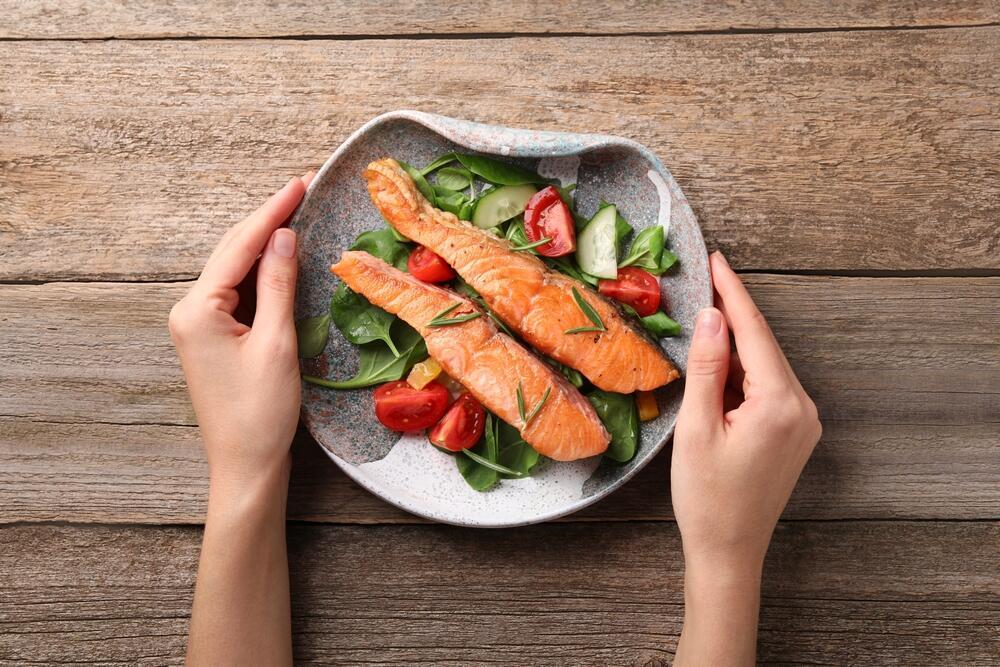
Salmon is packed with omega-3 fatty acids
(Photo: Shutterstock)
What about biotin?
Biotin has become one of the supplements most closely associated with hair health.
Despite its popularity, true biotin deficiency is relatively rare among healthy people. When no deficiency exists, there is little strong scientific evidence that biotin supplements improve hair growth or reduce shedding.
Most people can obtain enough biotin through foods including cooked eggs, nuts, legumes and whole grains.
What about collagen?
Collagen supplements have also become increasingly popular.
Collagen is an important protein in the body, but after it is consumed, the digestive system breaks it down into amino acids, just as it does with other proteins.
There is currently no conclusive evidence that collagen supplements improve hair growth in healthy people. A diet containing enough high-quality protein generally provides the materials needed to produce both collagen and keratin.
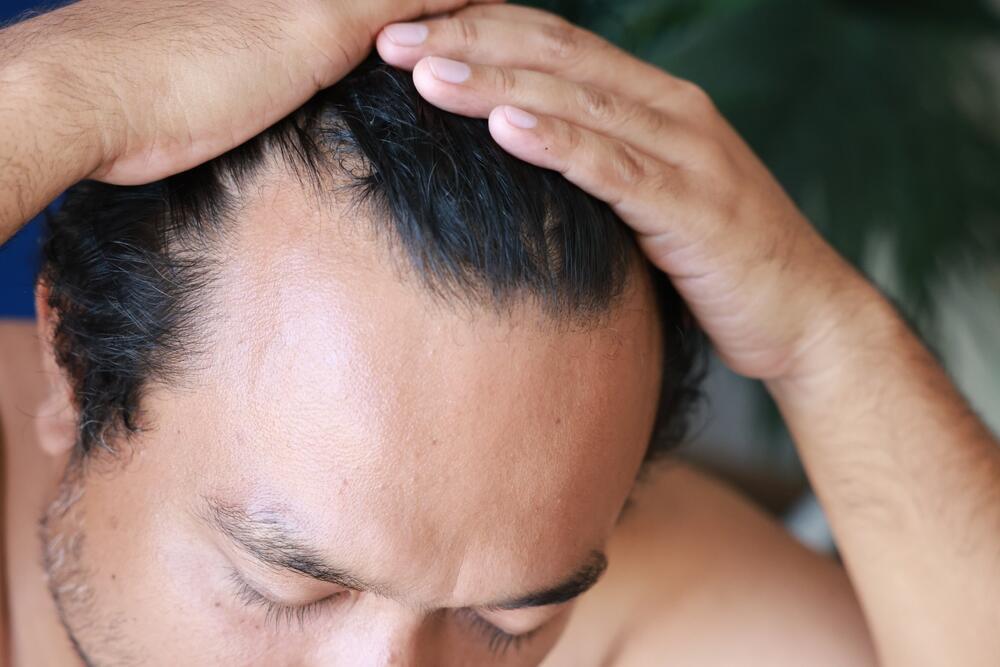
Getting to the root of the problem
(Photo: Shutterstock)
Vitamin D remains under investigation
Studies have found an association between low vitamin D levels and certain types of hair loss, but an association does not prove that one directly causes the other.
When blood tests show a deficiency, it should be treated according to medical guidance.
There is no current evidence, however, that giving additional vitamin D to people whose levels are already normal will stimulate hair growth.
Should you take supplements?
Not necessarily.
Many people buy supplements in the hope of improving their hair, but in many cases they are not needed.
When testing confirms a deficiency in iron, zinc or vitamin D, for example, correcting it may help. Taking supplements without a medical need does not guarantee results and may sometimes cause side effects.
Excessive amounts of vitamin A or selenium can actually increase hair loss.
People experiencing significant or prolonged shedding should therefore consult a doctor or dietitian for a thorough evaluation rather than immediately purchasing supplements.
There is no magic food and no single nutrient capable of changing the rate of hair growth.
Hair health is influenced by a combination of genetics, age, hormonal status, underlying illness, emotional stress and lifestyle. Nutrition is only one part of the picture, although it remains an important one.
A balanced diet rich in protein, iron, zinc, essential fatty acids, vitamins and minerals gives hair follicles the best conditions in which to function.
For most people, this is the safest and most effective way to support hair health over time.
Unusual hair loss, particularly when accompanied by fatigue, weight loss, menstrual changes or other symptoms, warrants medical evaluation. In many cases, identifying and treating the underlying cause is the key to improving hair health.
The writer is a clinical dietitian with Leumit Health Services