


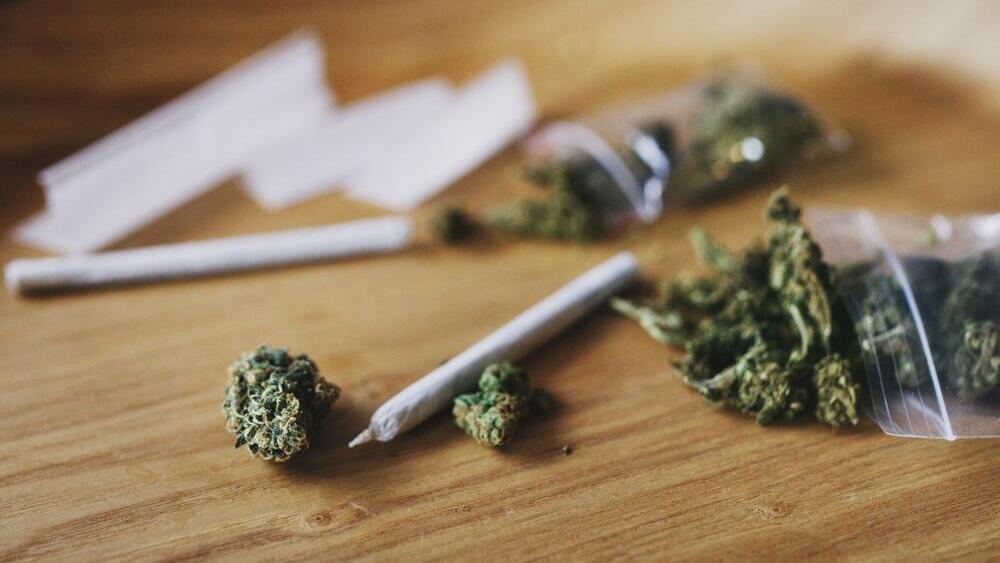
U.S. President Donald Trump confirmed this week that his administration is reviewing a potential reclassification of cannabis from its current status as a highly dangerous drug, a move that could align federal policy with the approach already adopted by numerous states.
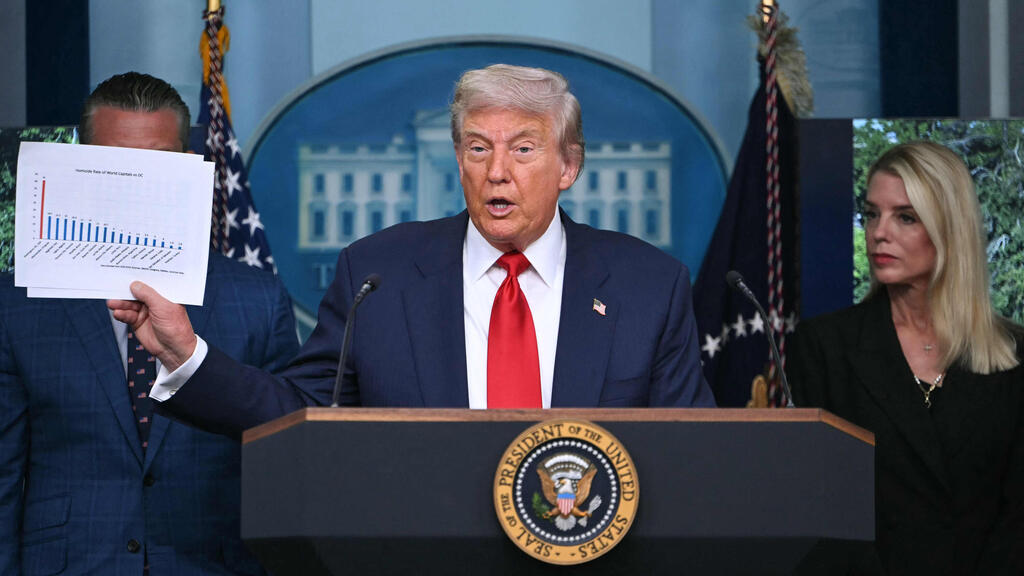
During a White House press conference on Monday, Trump described the process as early-stage but expressed hope for a swift decision. “We're looking at reclassification and we'll make a determination over the next — I would say over the next few weeks, and that determination hopefully will be the right one. It's [a] very complicated subject,” he told ABC News.
Trump acknowledged conflicting views, noting, “I've heard great things having to do with medical, and I've had bad things having to do with just about everything else. But medical, and, you know, for pain and various things.”
The review builds on a proposal from the Biden administration last year, which drew over 43,000 public comments before Trump’s inauguration prompted a fresh assessment.
The proposed change would move marijuana from Schedule I—alongside heroin and LSD, defined as having no accepted medical use and high addiction potential—to Schedule III, which includes substances like ketamine and anabolic steroids with moderate to low dependency risk, according to The Wall Street Journal.
This wouldn’t legalize recreational use nationwide but would alter regulation and taxation. Businesses in states where cannabis is legal could deduct certain federal taxes, currently banned for Schedule I or II drug trades, and the shift could simplify scientific and medical research, which faces strict limits under the current classification.
However, a Congressional Research Service report warns that banking restrictions on cannabis businesses would persist, leaving many unable to access financial services due to federal penalties.
Prof. Nadav Davidovitch, head of health policy at the Taub Center and Ben-Gurion University’s School of Public Health, welcomed the potential change. “Reclassifying cannabis in the U.S. reflects a more balanced recognition of its medical benefits and the need for evidence-based policy with quality clinical research,” he said.
 Prof. Nadav DavidovitchPhoto: Danny Machles/Ben-Gurion University
“This could enable broader medical research, allow doctors to recommend it based on solid science and push the legal cannabis industry into a regulated framework,” he added.
Get the Ynetnews app on your smartphone: Google Play: https://bit.ly/4eJ37pE | Apple App Store: https://bit.ly/3ZL7iNv
Davidovitch cautioned about potential downsides. “While easing research and expanding medical options is positive, lifting regulatory limits could create gaps in oversight, monitoring and side-effect tracking,” he explained.
“There’s a risk that pharmaceutical companies and the industry might prioritize profits over public health, lacking sufficient controls on marketing, dosage and indications. It’s a promising step, but it requires ongoing scrutiny and proper implementation.”
(Photo: AP Photo/Alex Brandon REUTERS/Jonathan Ernst)
The debate carries political weight, with Trump advocating for reform. In a September 2024 Truth social media post, he wrote, “As I have previously stated, I believe it is time to end needless arrests and incarcerations of adults for small amounts of cannabis for personal use. We must also implement smart regulations, while providing access for adults, to safe, tested product.
“As a Floridian, I will be voting YES on Amendment 3 this November. As President, we will continue to focus on research to unlock the medical uses of marijuana to a Schedule 3 drug, and work with Congress to pass common sense laws, including safe banking for state authorized companies, and supporting states rights to pass marijuana laws, like in Florida, that work so well for their citizens.”
Opposition persists among some conservatives and law enforcement groups, including the National Sheriffs’ Association, which cites cannabis’ “high addiction potential” and cases of “extreme intoxication” leading to fatal accidents.
Despite this, medical cannabis is legal in 40 states and Washington, D.C., while recreational use is permitted in 24 states and the capital. Last year, legalization efforts failed in Florida, North Dakota and South Dakota.
(Photo: Shutterstock)
An Associated Press VoteCast survey from the latest election found 60% of Americans support national legalization, up from 36% in 2005 to 68% in 2024 per Gallup polls. Federal data shows over 64 million Americans aged 12 and older, 22.3% of the population, used cannabis in the past year, a rise from 19% in 2021, with the sharpest increase among those over 26, though the 18-25 age group remains the heaviest users.