

How are Israelis experiencing the war and the unstable daily reality? It turns out it depends on who you are, which community you belong to, your beliefs, your level of education, and, yes, your gender.
A study conducted by Prof. Liat Kulik, dean of the School of Behavioral Sciences at Netanya Academic College, examined the public’s experience of the war between the seventh and ninth days of Operation Roaring Lion.
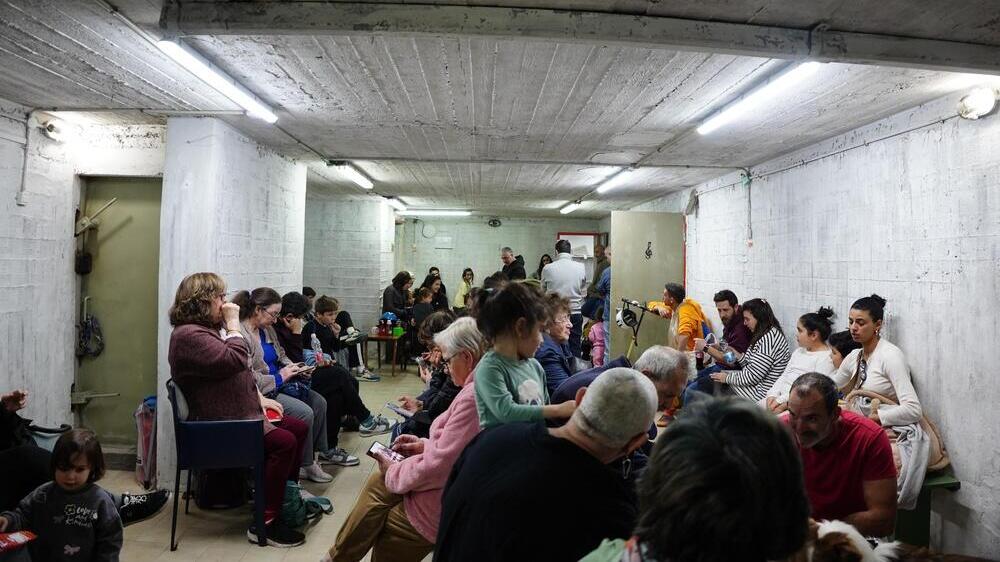
The findings point to significant differences between communities, as well as between men and women, in how people experience resource loss, cope with distress and, in some cases, even find new sources of resilience during the crisis.
The study was based on a national sample of about 270 participants, collected through the Panels research institute. It examined three main groups in Israel: the general Jewish population, ultra-Orthodox Jews and Arab citizens.
The study’s premise was that war primarily threatens personal resources. When resources such as emotional resilience, stability and financial security are damaged or lost, stress increases.
At the same time, the research also explored whether, under existential threat, some individuals might experience gains, such as post-traumatic growth, including strengthened resilience or a greater sense of community.
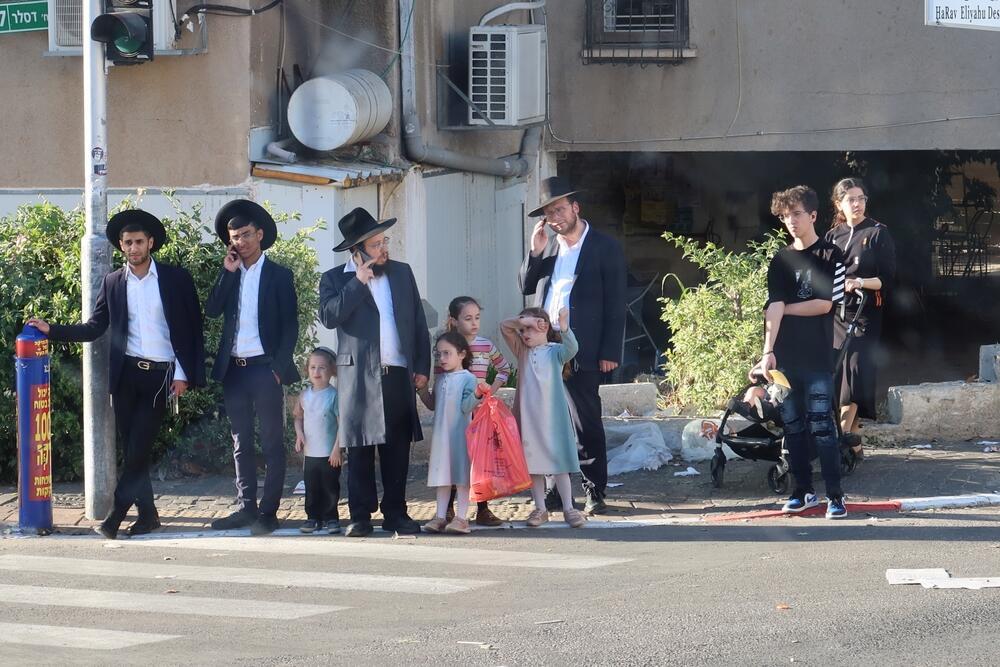
Ultra-Orthodox
(Photo: Michael Hatzalam , Shutterstock)
Resource loss
The findings show that Arab citizens reported the highest levels of resource loss across nearly all areas of life. This included damage to economic stability, reduced social connections, weakened spiritual resources such as faith and hope, and a decline in emotional resilience and sense of community.
By contrast, the ultra-Orthodox population reported the lowest levels of resource loss in most areas, particularly in social, communal and spiritual resources. The general Jewish public typically fell between the two groups.
“These differences may be linked to the varying levels of social and community resources that groups bring into a crisis,” Kulik said. “In ultra-Orthodox society, dense community support networks and strong religious faith may provide spiritual resources that act as fuel for coping.”
Coping strategies
Differences in resource loss were also reflected in coping strategies.
Arab participants were more likely to use less adaptive coping methods, such as denial or the use of calming medications. At the same time, along with the general Jewish population, they were more likely to adopt problem-focused coping, such as practical actions, distraction or planning ways to reduce distress.
Ultra-Orthodox participants, by contrast, tended to rely more on spiritual coping strategies based on faith and hope.
These differences were also reflected in levels of psychological distress. Ultra-Orthodox respondents reported the lowest levels of distress, Arab participants the highest, and the general Jewish population again fell in between.
The study also examined whether people experience gains during wartime.
Here too, differences emerged. Only among ultra-Orthodox participants was there a notable increase in spiritual resources, particularly stronger faith and spiritual resilience.
Women report higher stress
The study found clear gender differences across all communities.
Women were more likely than men to seek shelter during attacks. According to Kulik, this may reflect the emotional burden women often carry during crises and their concern for family members, leading them to take greater responsibility for protection.
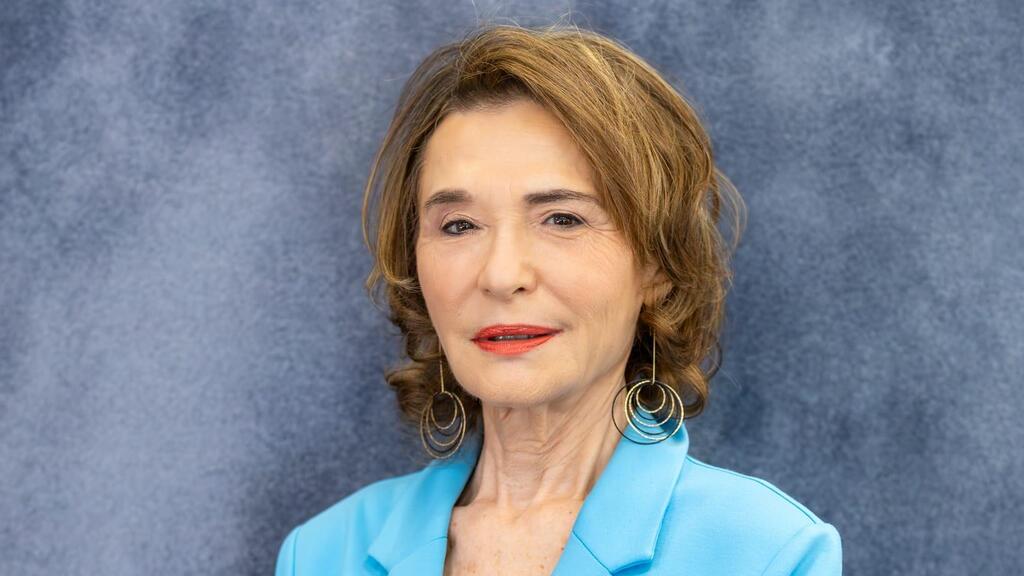
Prof. Liat Kulik
(Photo: Ilanit Kitzoni)
At the same time, women reported higher levels of psychological distress than men across all groups. This may reflect both gender differences in expressing negative emotions and the heavier emotional load they carry during emergencies.
When examining resource gains, men were more likely than women to report improvements, particularly in emotional resilience and social connections.
One of the study’s most notable findings is the emergence of a shared “gender culture” during wartime. Women across all communities, ultra-Orthodox, Arab and secular, showed similar patterns in coping, distress and well-being, suggesting a common experience that transcends community lines.
Education and age matter
The findings also highlight the importance of personal resources independent of the war itself.
Older participants, with more life experience and coping skills, reported greater gains in resources during the war. Higher levels of education were also associated with lower perceived loss of resilience compared to those with less education.
The study suggests that both age and education serve as key resilience factors in times of crisis.